Rubin Observatory finds two hidden Milky Way companions
Early Rubin Observatory data reveal Aquarius IV, an ultra-faint galaxy 355,000 light-years away, and Rubin-GC1, a star cluster behind the Milky Way's dust.
LandGadget Newsroom · · 3 min read
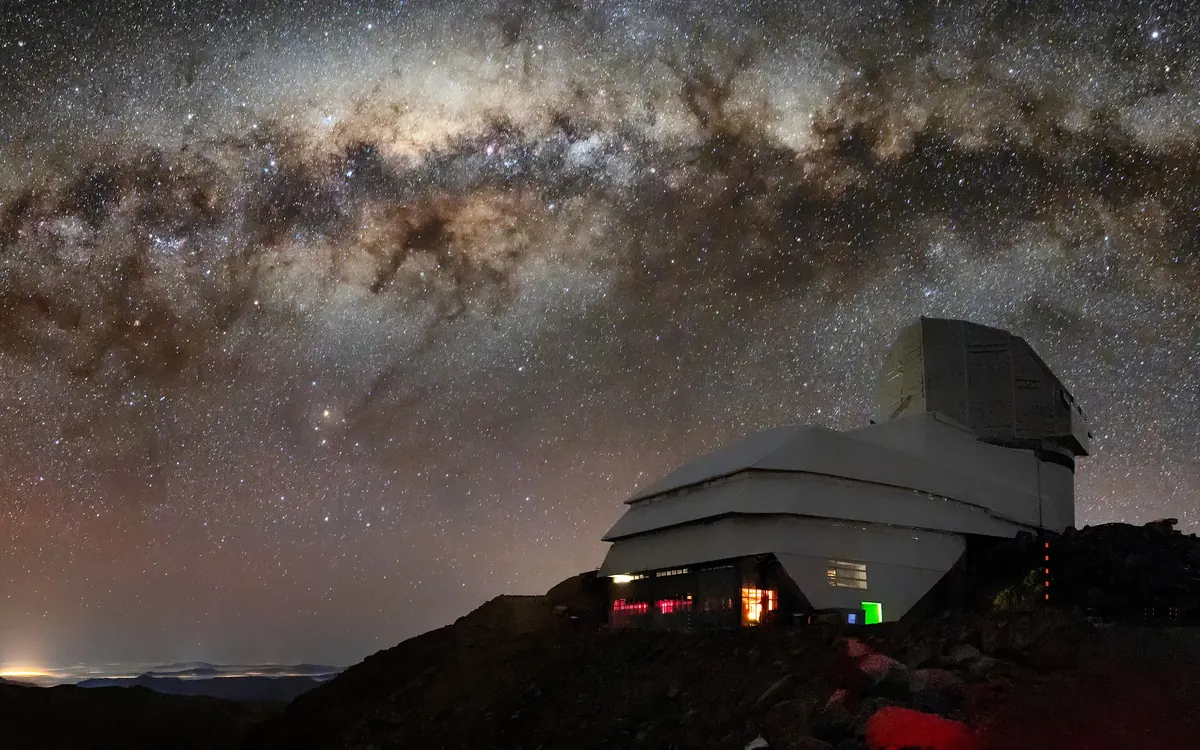
The newest big telescope in Chile has started filling in the Milky Way's family tree. Using preview data from the NSF–DOE Vera C. Rubin Observatory, astronomers have found two previously unknown companions of our galaxy, Yale News reports.
What they found
- Aquarius IV is an ultra-faint dwarf galaxy in the Milky Way's distant outskirts, about 355,000 light-years from Earth.
- Rubin-GC1 is a star cluster on the far side of the Milky Way, inside a region shrouded by cosmic dust, where faint objects are especially hard to see.
The Aquarius IV paper, led by Yale graduate student William Cerny, appears in Research Notes of the AAS. The Rubin-GC1 study, led by Aashay Pai of the University of Chicago, has been accepted by The Astrophysical Journal Letters.
Why it matters
Large galaxies are surrounded by satellites: small galaxies and star clusters bound by gravity. About 65 satellite galaxies of the Milky Way are known, but models suggest hundreds more are too faint to have been spotted so far.
The faintest ones are interesting precisely because they are so empty. Ultra-faint galaxies like Aquarius IV contain very few stars and are made almost entirely of dark matter, so counting them and measuring how they move is one of the cleanest tests of how dark matter behaves and how galaxies like ours were assembled.
The researchers say that if Rubin can find systems this faint in preview data alone, its full survey should turn up many more Milky Way satellites.
Only 7% of the sky so far
The finds come from data taken between April 2025 and January 2026, before the main survey began, covering roughly 7% of the night sky. Rubin started its 10-year Legacy Survey of Space and Time (LSST) in June. Its 8.4-metre Simonyi Survey Telescope carries the largest digital camera ever built, at 3.2 gigapixels, and will photograph the whole southern sky again and again to build a time-lapse record of the universe.
Rubin is also expected to discover huge numbers of asteroids and other small solar-system bodies, the kind of objects missions like NASA's Lucy, which just reached the Jupiter Trojans, visit up close.
You won't see Aquarius IV through a backyard telescope, but the Milky Way's brightest companions, the Large and Small Magellanic Clouds, are easy naked-eye targets from the southern hemisphere. If you're getting started, our beginner telescope guide explains what to buy first.
More from Science & Space
View all →Read next
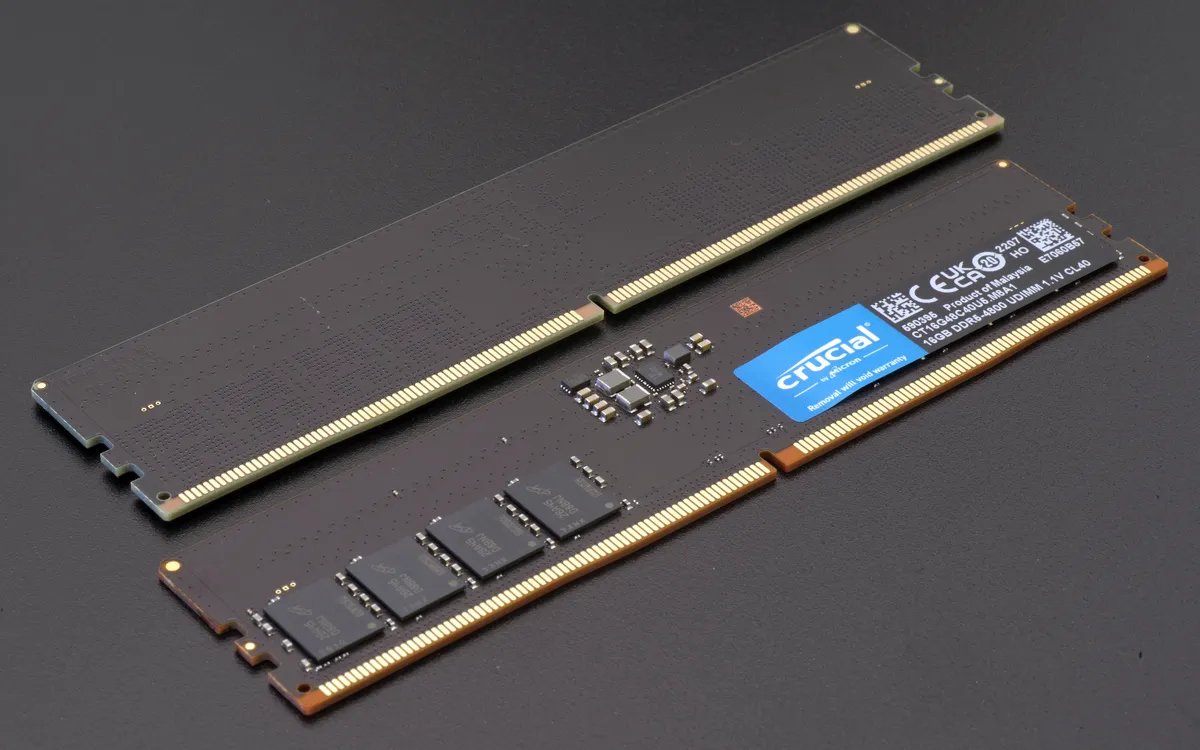
DDR4 vs DDR5 RAM: differences, compatibility and which to buy
DDR4 or DDR5? How speed, latency, voltage and price compare, which CPUs and motherboards support each, why they aren't interchangeable, and when DDR4 still makes sense.
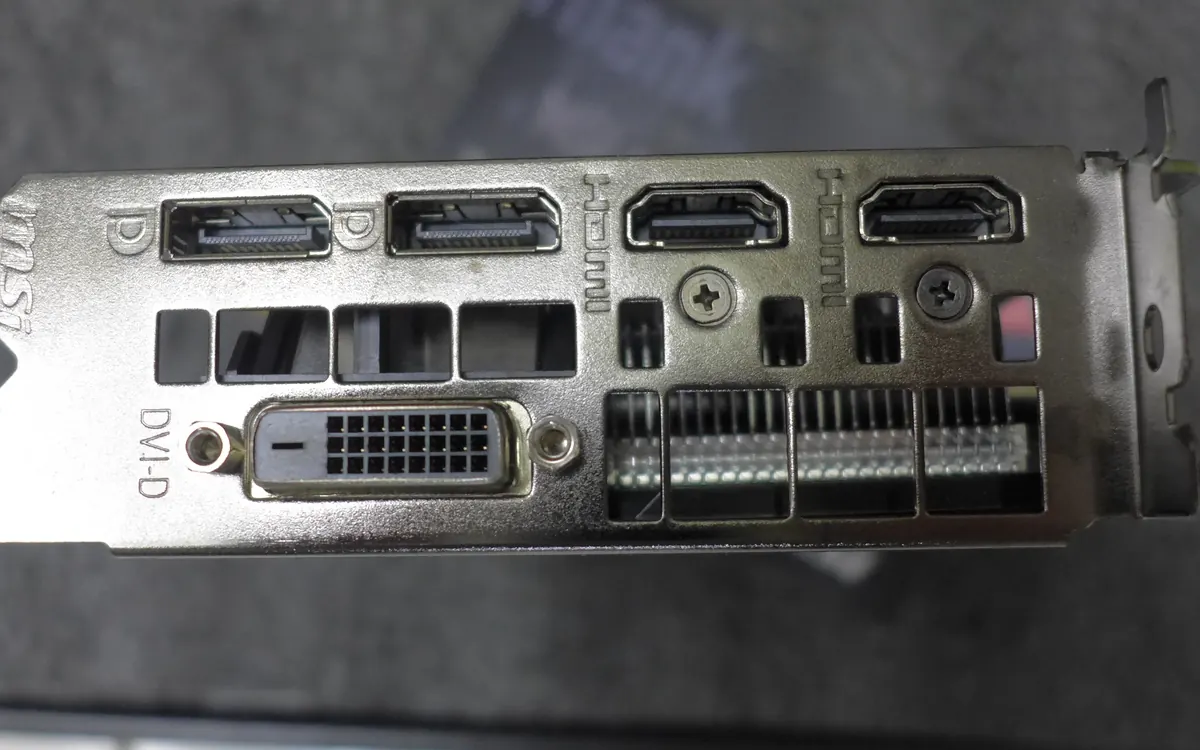
HDMI vs DisplayPort: which cable should you use in 2026?
HDMI vs DisplayPort explained: HDMI 2.1 and 2.2 vs DisplayPort 1.4 and 2.1 bandwidth, which to use for gaming monitors, TVs, consoles and laptops, plus cables.
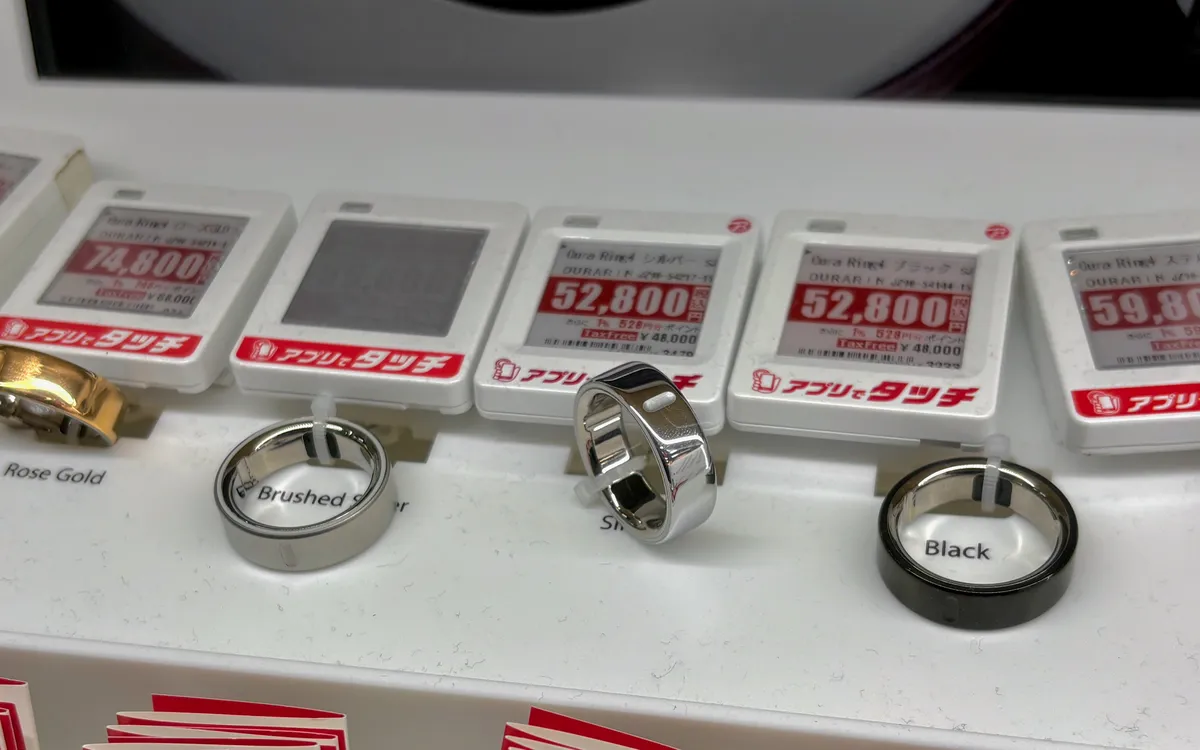
Smart ring vs smartwatch: which health wearable should you buy?
Smart ring or smartwatch? Compare sleep and heart-rate tracking, battery life, workouts, GPS, subscriptions, sizing and phone compatibility to pick the right wearable.