Your first telescope: what to buy and what to see
A beginner's guide to telescopes: why aperture matters most, refractor vs reflector vs Dobsonian, the mounts to avoid, and the first targets to observe.
On this page
The most common beginner mistake is buying a telescope by its magnification. What matters is aperture, the diameter of the main lens or mirror. A larger aperture collects more light, so you see more detail and fainter objects.
The three main designs
- Refractor (lens): sealed, low-maintenance and quick to set up. Small refractors of 70–102 mm are great for the Moon and planets. Larger ones get expensive quickly.
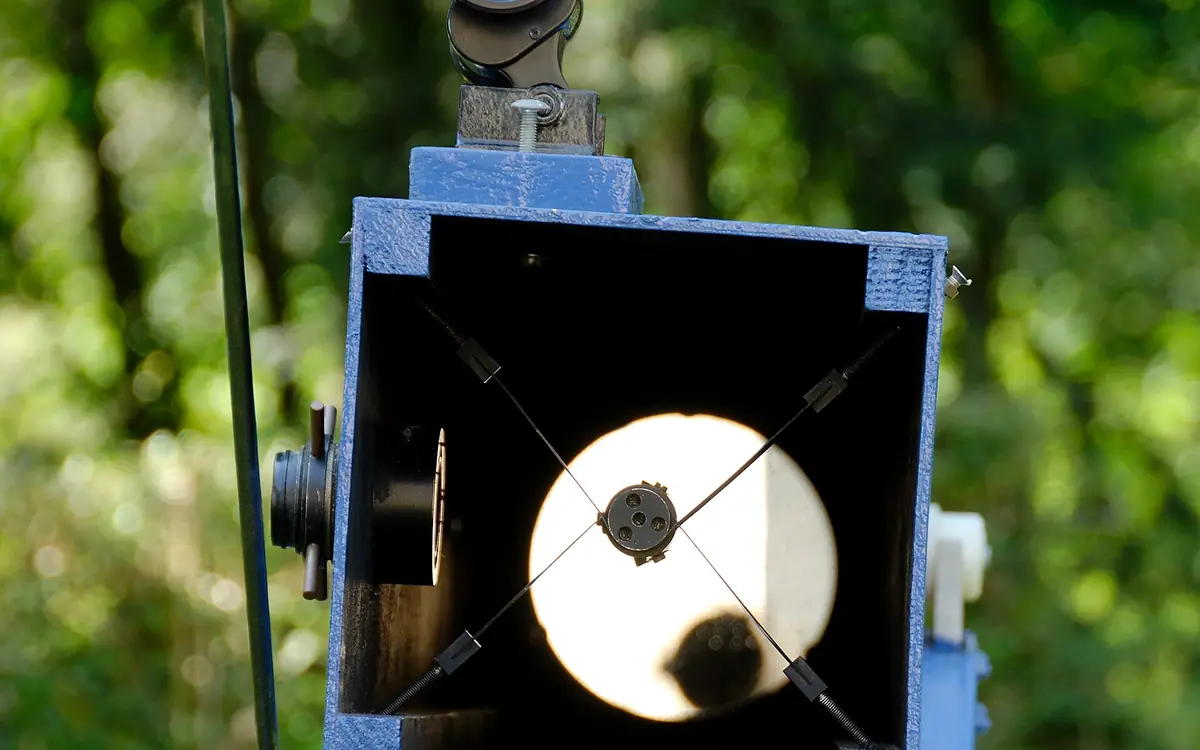
- Reflector (mirror): more aperture for the money. The mirrors need occasional collimation, which means aligning them in a couple of minutes.
- Dobsonian: a reflector on a simple swivelling base. A 150–200 mm Dobsonian is the classic first scope, because it gives you the most light per euro and is easy to use.
The mount matters as much as the optics
A shaky mount makes any telescope frustrating. Avoid the wobbly tripods often sold with cheap "500× zoom" kits. Go-To computerised mounts find objects for you, which is helpful under light-polluted skies, but they cost more and need power.
Your first targets
- The Moon: craters along the terminator line, the boundary between day and night, look stunning.
- Jupiter: cloud belts and four moons that change position from night to night.
- Saturn: the rings are visible even at 60×.
- The Pleiades and the Orion Nebula: best at low power.
- The Andromeda Galaxy: a faint glow two and a half million light years away.
Tips that make a big difference
- Let the telescope cool down outside for 20–30 minutes before observing.
- Use a red flashlight so your eyes stay adapted to the dark.
- Start with the low-power eyepiece, then zoom in.
- Download a free sky-map app to find your targets.
Budget guide: about €150–250 buys a good tabletop Dobsonian or a 90 mm refractor. €300–450 gets you a 150–200 mm Dobsonian, the setup many amateurs keep for years.
Keep reading
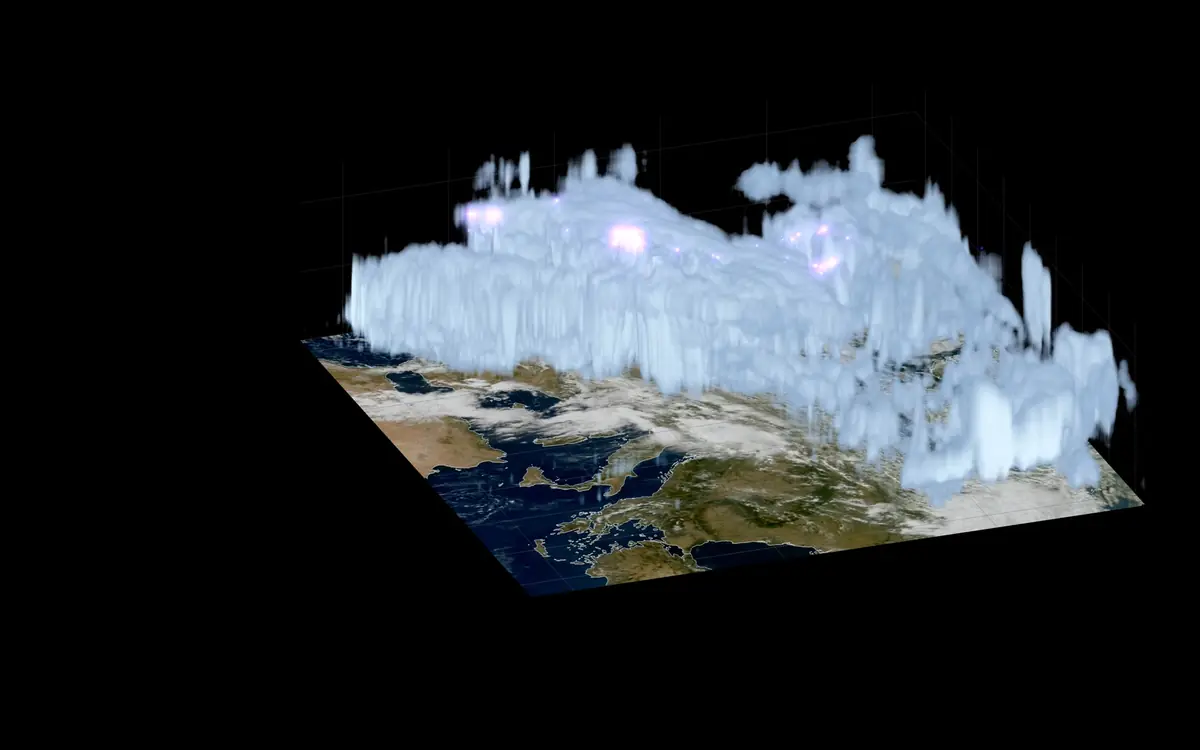
Europe’s first geostationary sounder, Meteosat-13, enters service
EUMETSAT’s MTG Infrared Sounder is now operational. Every 30 minutes it profiles temperature, humidity and gases to support earlier severe-weather warnings.
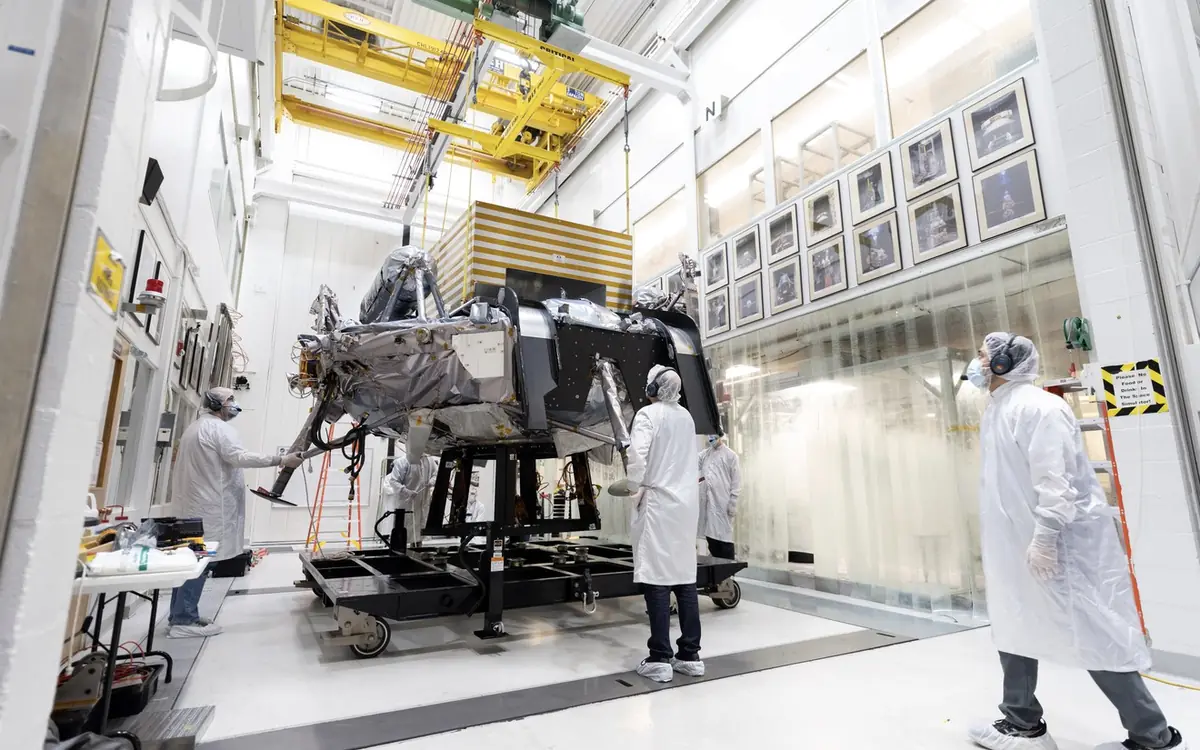
Griffin-1 Moon lander passes its JPL tests ahead of a Falcon Heavy launch
Voyager Technologies' lander was shaken, spun, baked and frozen at JPL. It will carry more than 455 kg of cargo, including Astrolab's FLIP rover, to Nobile Crater near the lunar south pole.
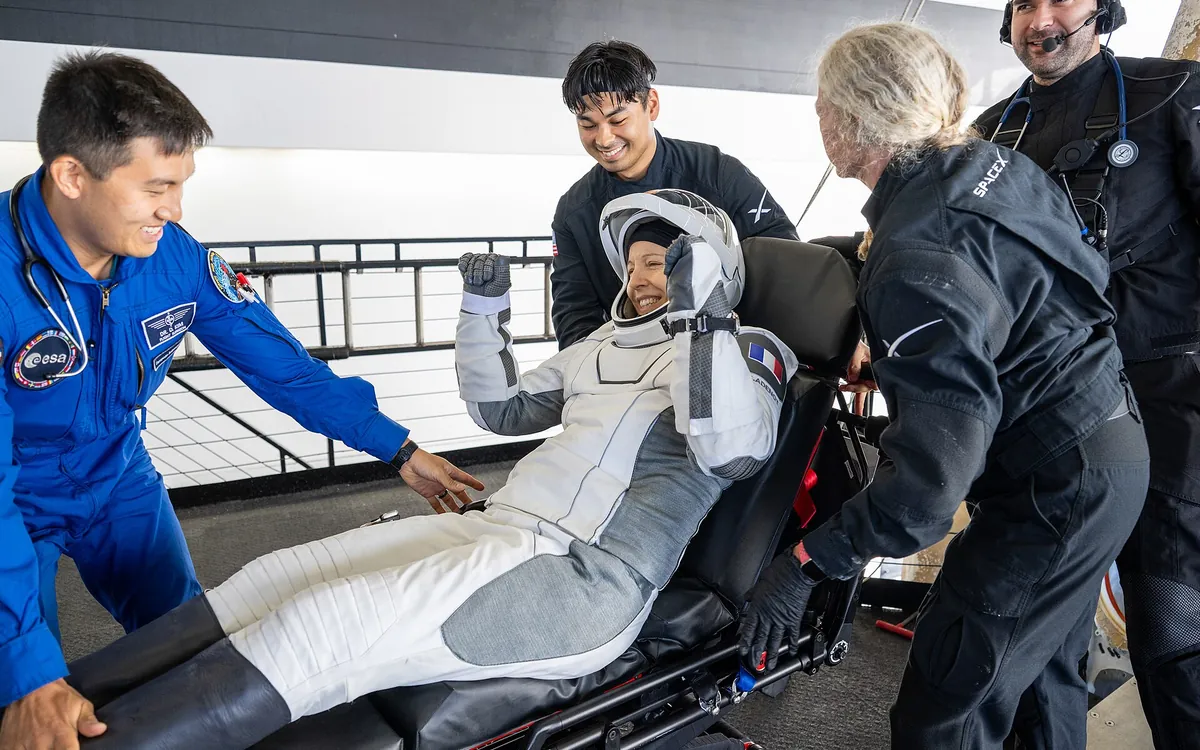
ESA astronaut Sophie Adenot is back in Europe after a record 237-day ISS mission
Adenot landed in Cologne on 10 October after Crew-12 splashdown; her εpsilon flight set a European single-mission duration record and included three spacewalks.