Samsung Q3 2026: record ₩107.4T profit as AI memory booms
Samsung's Q3 2026 operating profit hit KRW 107.4 trillion, a first for any tech firm, on AI memory demand. Phones and TVs lost money. What it means for RAM and SSDs.
LandGadget Newsroom · · 3 min read
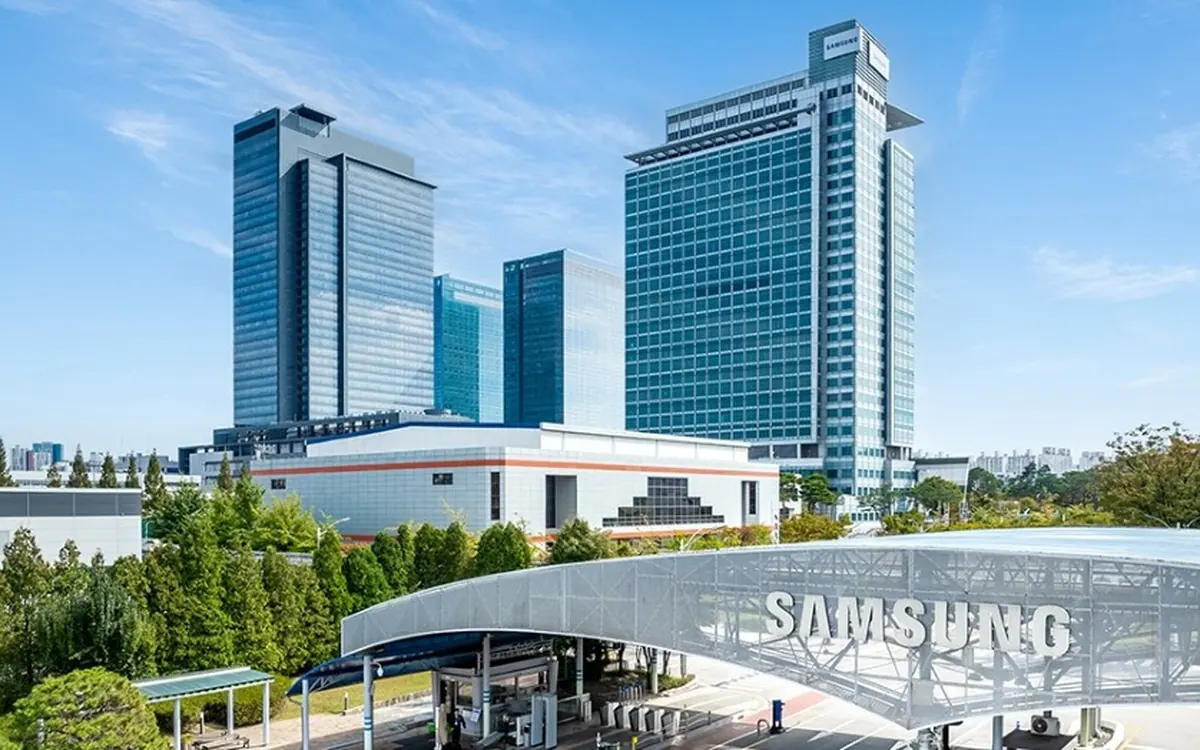
Samsung Electronics has posted the biggest quarter in its history, and it is all about memory chips for AI. In its official results for July–September 2026, the company reported KRW 195.3 trillion in revenue (up 14% on the previous quarter) and KRW 107.4 trillion in operating profit. Samsung says it is the first tech company ever to top KRW 100 trillion in operating profit in a single quarter.
Where the money came from
The Device Solutions (DS) chip division made KRW 106.5 trillion of that profit on KRW 147.1 trillion of sales. In other words, chips account for practically all of Samsung's earnings this quarter.
- Memory set new records for revenue and profit. Samsung says strong server demand pushed up prices "across all applications", and it significantly scaled up sales of HBM4, the stacked memory used next to AI accelerators, along with server SSDs.
- Foundry improved on HBM base-die sales and 2nm orders from high-performance computing customers, which Samsung says include major hyperscalers.
- Samsung Display earned KRW 1.1 trillion, helped by premium phone panels and growing gaming-monitor sales.
Phones and TVs lost money
The consumer side looks very different. The Device eXperience (DX) division, which makes Galaxy phones, TVs and appliances, grew revenue by 8% but posted an operating loss of KRW 0.8 trillion. Mobile and networks lost KRW 0.6 trillion despite new foldables, which Samsung blames on cost pressures. TVs and appliances lost KRW 0.2 trillion as raw material and logistics costs rose.
For Q4, Samsung says it will lean on the Galaxy S26 series and its Z Fold8 phones for holiday sales while cutting costs across the business.
What it means for PC and phone buyers
The results confirm what rival SK hynix reported last week: AI data centres are soaking up memory. Samsung says it will keep prioritising HBM, server DRAM and SSDs, expects AI-driven demand in 2027 to "far exceed" industry supply, and plans to spend about KRW 84.4 trillion on capital investment this year, mostly on chip fabs.
That's good news for Samsung's shareholders and not great for anyone pricing a new laptop, phone or upgrade. When suppliers steer output towards AI servers, consumer RAM and storage tend to stay expensive. If you're planning an upgrade, our guides on how much RAM you really need and how to choose an SSD can help you avoid paying for capacity you won't use.
Samsung also declared a Q3 dividend of KRW 4,601 per share and says it will set out the rest of its 2026 shareholder returns, including share buybacks, in late January 2027.
More from Computers & AI
View all →Read next
HDMI vs DisplayPort: which cable should you use in 2026?
HDMI vs DisplayPort explained: HDMI 2.1 and 2.2 vs DisplayPort 1.4 and 2.1 bandwidth, which to use for gaming monitors, TVs, consoles and laptops, plus cables.
Smart ring vs smartwatch: which health wearable should you buy?
Smart ring or smartwatch? Compare sleep and heart-rate tracking, battery life, workouts, GPS, subscriptions, sizing and phone compatibility to pick the right wearable.

ESA's Hera sees Didymos and Dimorphos apart for the first time
ESA's Hera probe has resolved the Didymos–Dimorphos pair from 1,280 km away. First detailed Dimorphos images since DART's 2022 impact are due 25 November.