Is a self-emptying robot vacuum dock worth it? Pros, cons and costs
Self-emptying docks explained: how auto-empty bases work, how often you change the bags, noise, size and running costs, and who should save money and skip one.
LandGadget Newsroom · · 5 min read
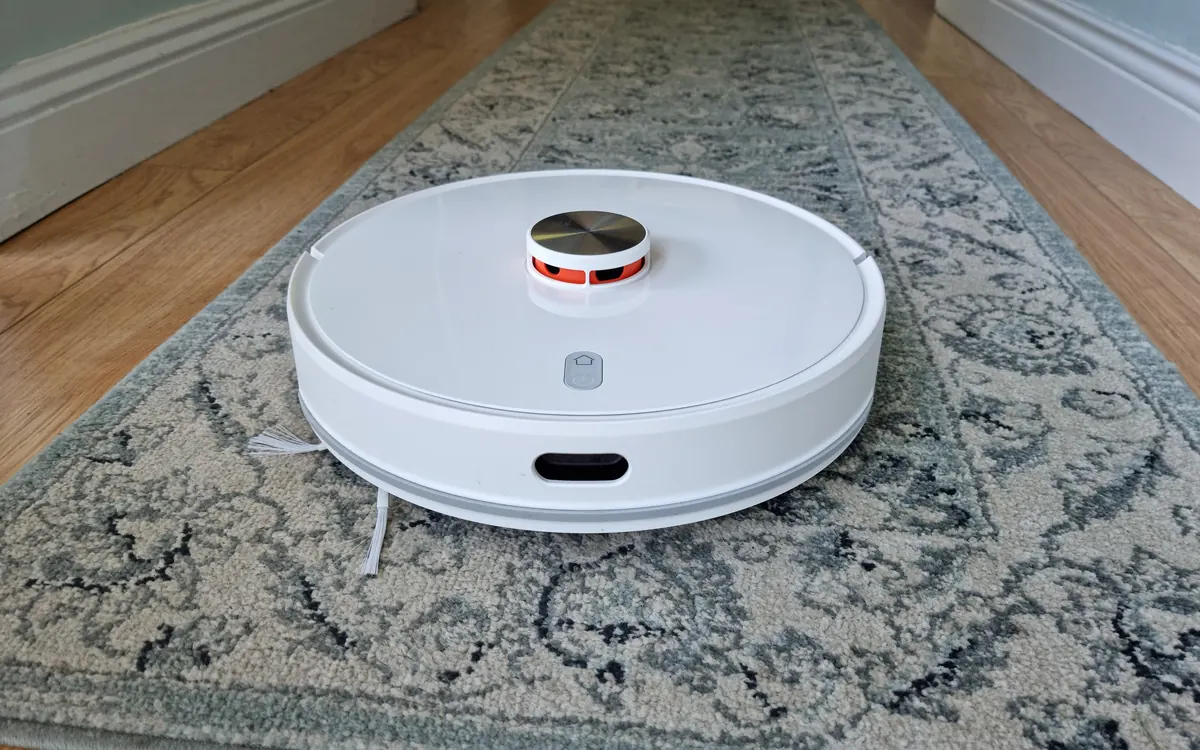
Quick verdictWorth it if you have pets, allergies or a large home and run the robot daily; skip it for a small flat cleaned two or three times a week.
Jump to the verdict ↓On this page
A robot vacuum's own dustbin is small, so on a busy day it fills before the job is done. A self-emptying dock (also called an auto-empty base or clean base) fixes that: when the robot returns, the dock sucks the bin's contents into a larger bag or container. It is one of the most useful upgrades on a robot vacuum, but it is not free and it is not for everyone.
How a self-emptying dock works
When the robot docks, a powerful fan in the base opens a port on the robot's bin and pulls the debris up a tube into the dock. Most docks collect it in a disposable sealed bag; some use a bagless container you empty yourself. The whole cycle usually takes 10–20 seconds and is much louder than the robot itself, typically like a short burst from a full-size vacuum.
Manufacturers usually quote how many weeks a bag lasts — often "up to" 30–75 days. Treat that as a best case: pet hair, sand and big homes fill bags faster.
Pros and cons
+ Pros
- You touch dust only every few weeks instead of after every run
- Sealed bags trap dust and hair, which helps people with allergies
- The robot can finish large homes without stopping with a full bin
- Makes daily scheduled cleaning realistic when you are away
− Cons
- Bags are an ongoing cost and usually brand-specific
- The emptying burst is loud — schedule runs when nobody sleeps
- A tall dock needs floor space and clearance in front
- Extra parts to fail or clog: the port, tube and dock filter
Bags vs bagless docks
| Bagged dock | Bagless dock | |
|---|---|---|
| Hygiene | Dust stays sealed in the bag | Dust cloud when you tip the container |
| Running cost | Replacement bags | Filter cleaning or replacement only |
| Best for | Allergies, pets | Lower running costs |
What it really costs to own
Before buying, look up the price of a pack of the dock's bags and its filter in your country. Then estimate how many bags you will use a year (pet homes may need twice the manufacturer's figure). That yearly figure, added to brushes and filters for the robot itself, is the real price of the convenience. Our robot vacuum buying guide has a checklist of consumables to price up.
Where to put it
A dock needs more room than a basic charging base: usually around half a metre clear on each side and more in front, a wall behind it and a nearby socket. The robot vacuum setup guide covers placement in detail. Avoid putting it in a bedroom or next to a nursery because of the noise.
Who should get one — and who shouldn't
- Get one if you have shedding pets, dust allergies, a home larger than a typical flat, or you run the robot every day.
- Skip it if you live in a small flat, clean a few times a week and don't mind emptying a bin — the money is better spent on better navigation.
- Combos: if you also want mopping, docks that wash pads as well as empty the bin are larger still. See our vacuum-mop combo guide.
Keeping the dock working
Empty or replace the bag before it is overfilled, wipe the port where the robot connects, and check the tube for a blockage if the robot comes back still full. Our guide on how to clean a robot vacuum covers dock maintenance.
Frequently asked questions
How often do you change the bag in a self-emptying dock?
Manufacturers often say every one to two months. With pets, a large home or daily runs, expect to change it more often.
Can I add a self-emptying dock to my current robot?
Only if the manufacturer sells a compatible dock for that model; the robot's bin needs an emptying port. Many older or budget models cannot be upgraded.
Is a self-emptying dock loud?
Yes. The emptying cycle is short but noticeably louder than the robot, similar to a full-size vacuum for several seconds.
Our verdict
Yes for pets, allergies and daily runs
A self-emptying dock is the feature that makes a robot vacuum truly hands-off. If you have pets or allergies, or you want the robot to run daily while you are out, it is worth the extra cost and the bags. In a small flat cleaned a few times a week, save the money.
More from Smart Home
View all →Read next
CPU vs GPU bottleneck explained: how to tell what's slowing your games
What a CPU or GPU bottleneck really is, how to spot one with a performance overlay, why resolution changes everything, and the fixes worth trying before you buy parts.
HDMI vs DisplayPort: which cable should you use in 2026?
HDMI vs DisplayPort explained: HDMI 2.1 and 2.2 vs DisplayPort 1.4 and 2.1 bandwidth, which to use for gaming monitors, TVs, consoles and laptops, plus cables.
Smart ring vs smartwatch: which health wearable should you buy?
Smart ring or smartwatch? Compare sleep and heart-rate tracking, battery life, workouts, GPS, subscriptions, sizing and phone compatibility to pick the right wearable.