Robot vacuum suction power explained: what Pa numbers really mean
What robot vacuum suction in pascals (Pa) means, why 8,000 Pa isn't always better than 4,000 Pa, and the brush, airflow and carpet settings that matter more.
LandGadget Newsroom · · 3 min read
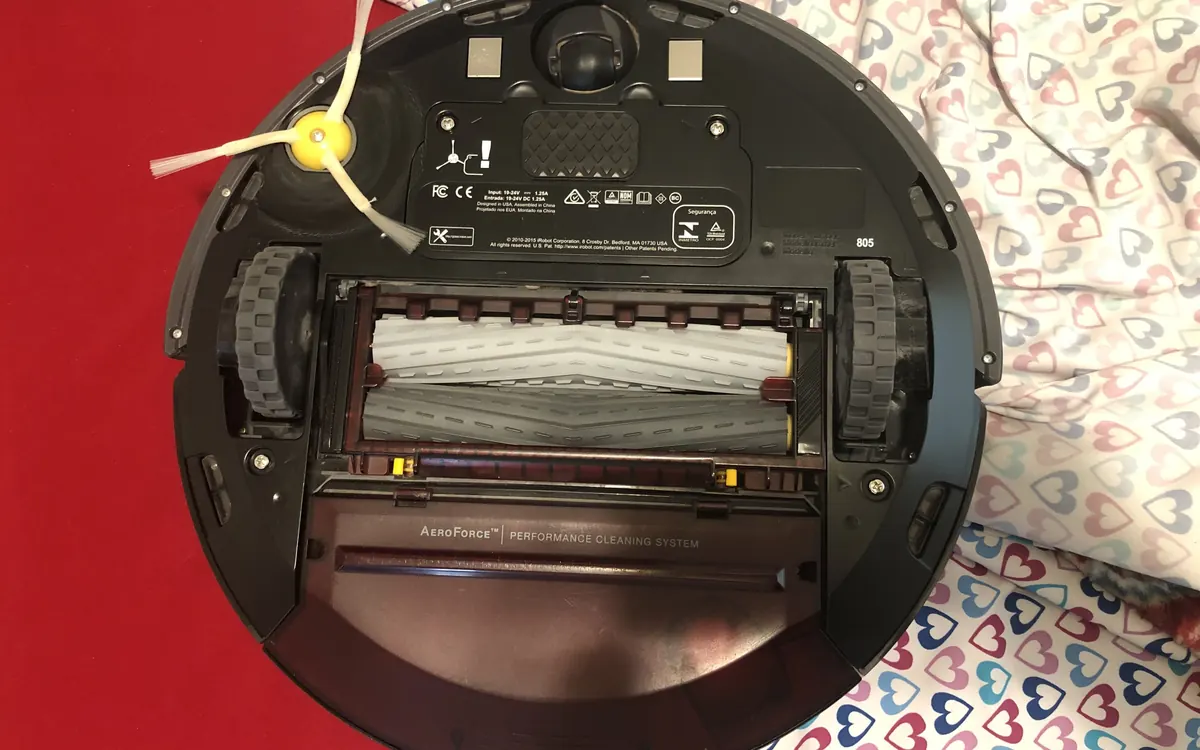
Robot vacuum spec sheets compete on one number: suction in pascals (Pa). Figures have climbed from around 1,000–2,000 Pa a few years ago to well over 10,000 Pa on some current flagships. It is tempting to buy the biggest number. Here is what that number actually measures, and what to look at instead. For the full buying checklist, see our robot vacuum buying guide.
What a pascal figure measures
A pascal is a unit of pressure. A robot's Pa rating describes the maximum pressure difference (vacuum) the fan can create, usually measured with the inlet sealed. It tells you how hard the fan can pull, not how much air moves through the brush area or how much dirt ends up in the bin.
Real cleaning depends on airflow (how much air moves) as well as pressure. Pressure without airflow is like sucking on a blocked straw: strong, but nothing moves.
Why bigger Pa isn't always better
- No common test standard in marketing. Brands measure maximum suction in their own way, often at the strongest mode. Two "8,000 Pa" robots may not perform alike.
- Max mode is rarely used. The top figure usually applies to the highest setting, which shortens battery life and raises noise. Everyday modes are much lower.
- Sealing and brushes matter. A well-sealed cleaning head with a good roller can beat a stronger fan with gaps that leak air.
- Hard floors need little suction. On tile and laminate, the side and main brushes do most of the work; huge suction mostly helps on carpet.
What matters more than the number
| Factor | Why it matters |
|---|---|
| Main brush design | Rubber or hybrid rollers keep contact with the floor and resist hair tangles |
| Carpet boost | Raises suction automatically on rugs and saves battery elsewhere |
| Brush-roll and lift | Some models lift or float the brush to follow carpet pile |
| Filter and bin | A clogged filter or full bin cuts suction sharply |
| Independent tests | Pickup tests on sand, rice and hair show real performance |
How much suction do you need?
As a rough guide, mostly hard floors are well served by budget and mid-range robots. Thick rugs, carpets and pet hair benefit from stronger suction plus automatic carpet boost and a good roller. Our carpet vs hard floors guide and pet hair guide go into detail.
Keeping suction strong
Suction drops when the filter clogs, the bin is full or hair blocks the brush and inlet. Clean the filter and brushes regularly; our guide on how to clean a robot vacuum lists the intervals. If pickup suddenly gets worse, see robot vacuum problems and fixes.
Frequently asked questions
Is 4,000 Pa enough for a robot vacuum?
For mostly hard floors and low rugs, it is usually plenty. Brush design, carpet boost and navigation make a bigger difference than extra pascals.
Is Pa the same as air watts?
No. Pa measures pressure only. Air watts combine pressure and airflow, but robot vacuum makers rarely quote them, and methods vary.
Why is my robot weaker than its rated suction?
The rating is a maximum under ideal conditions. In normal modes, with a dusty filter or a hair-wrapped brush, real suction is lower.
More from Smart Home
View all →Read next

CPU vs GPU bottleneck explained: how to tell what's slowing your games
What a CPU or GPU bottleneck really is, how to spot one with a performance overlay, why resolution changes everything, and the fixes worth trying before you buy parts.
HDMI vs DisplayPort: which cable should you use in 2026?
HDMI vs DisplayPort explained: HDMI 2.1 and 2.2 vs DisplayPort 1.4 and 2.1 bandwidth, which to use for gaming monitors, TVs, consoles and laptops, plus cables.
Smart ring vs smartwatch: which health wearable should you buy?
Smart ring or smartwatch? Compare sleep and heart-rate tracking, battery life, workouts, GPS, subscriptions, sizing and phone compatibility to pick the right wearable.