LiDAR vs camera navigation in robot vacuums, explained
How LiDAR, camera (vSLAM) and AI obstacle avoidance work in robot vacuums, how they handle dark rooms, cables and pet mess, and what privacy trade-offs to check.
LandGadget Newsroom · · 4 min read
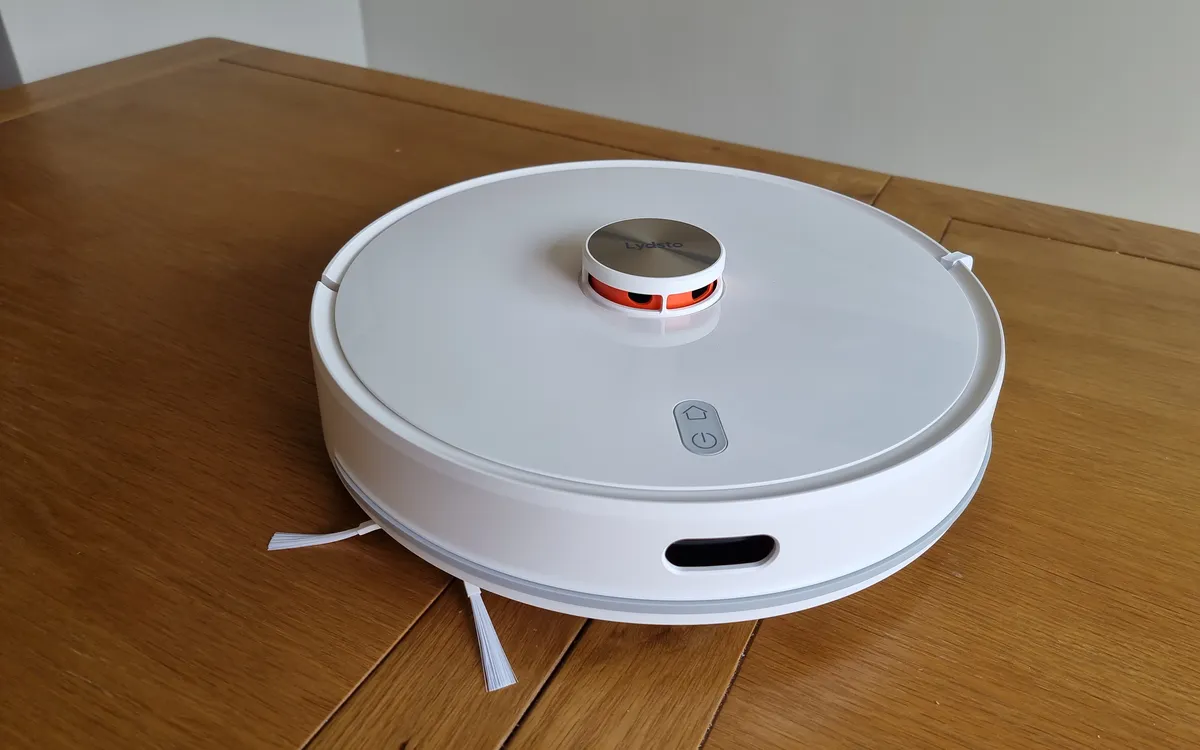
A robot vacuum's navigation system determines whether it cleans in neat rows and returns to the dock, or bumps around and gets stuck under the sofa. Spec sheets mention LiDAR, vSLAM, ToF, structured light and "AI obstacle avoidance". This explainer describes what each one does.
Mapping vs obstacle avoidance
Two separate jobs often get mixed up:
- Mapping and localisation (SLAM) — building a floor plan and knowing where the robot is on it. This is what enables room-by-room cleaning, no-go zones and efficient routes.
- Obstacle avoidance — spotting small things in the path, such as cables, socks, shoes or pet waste, and steering around them.
A robot can be good at one and poor at the other. That's why many models combine two systems.
How LiDAR navigation works
A LiDAR sensor, usually the round turret on top, spins a laser and measures how long reflections take to come back. That gives the robot a 360° distance scan of walls and furniture, which it builds into a map.
- Strengths: works in complete darkness, maps quickly and accurately, and needs no light for a night-time schedule.
- Weaknesses: the turret adds height, so check clearance under low furniture. The scan is taken at turret height, so it can miss low objects on the floor. Mirrors and glass can confuse it.
Some robots use a retractable or front-mounted laser to reduce height. Check how the specific model handles low furniture.
How camera (vSLAM) navigation works
Visual SLAM uses a camera, often angled upwards or forwards, and tracks visual features such as ceiling edges and furniture corners to estimate position and build a map.
- Strengths: no turret, so the robot can be lower. The same camera can be used for object recognition.
- Weaknesses: needs reasonable light. Mapping in dark rooms or at night is less reliable unless the robot has its own illumination. Results vary widely between brands and firmware versions.
Obstacle avoidance: cameras, structured light and ToF
Front-facing sensors deal with the clutter that LiDAR passes over:
- AI camera recognition — classifies objects (cable, sock, pet waste) and avoids them. It works best in good light.
- Structured light / line lasers — project a pattern and read its distortion to detect the shape of low obstacles, including in the dark.
- Time-of-flight (ToF) sensors — measure distance to close objects.
Manufacturers' claims about how many objects a robot recognises are marketing. Independent tests and recent owner reports for your exact model are more useful.
| LiDAR | Camera (vSLAM) | |
|---|---|---|
| Mapping in the dark | Reliable | Weaker without own light |
| Object recognition | Needs extra sensor | Can be built in |
| Robot height | Turret adds height | Usually lower |
| Privacy | No images | Camera images to manage |
Privacy: what to check on camera robots
A camera that recognises objects is also a camera moving around your home. Before you buy, read the privacy policy and app settings:
- Are images processed on the device or uploaded to the cloud?
- Are photos of obstacles stored or shown in the app, and can you delete them?
- Are images used to train models, and can you opt out?
- Is there remote live video, and can you disable it?
Which should you choose?
- Dark rooms, night schedules, multiple floors: prioritise LiDAR or a laser-based mapping system.
- Cables, socks and pets on the floor: prioritise strong front obstacle avoidance (camera AI and/or structured light), ideally combined with LiDAR mapping.
- Low furniture: compare robot height carefully. A turret-free design may reach more space.
Whichever you choose, a clean first mapping run makes the biggest difference. See our robot vacuum setup tips, then go back to the buying guide to put navigation alongside floors, docks and running costs.
Frequently asked questions
Is LiDAR better than a camera in a robot vacuum?
For mapping, LiDAR is generally more reliable, especially in the dark. For recognising small objects, a camera with AI does better. Many good robots use both.
Do robot vacuums with cameras record video?
Some can stream live video or save obstacle photos. It depends on the model and settings, so check the app and privacy policy.
Can a LiDAR robot vacuum see cables?
The top turret usually can't, because cables lie below its scan line. Front obstacle sensors are what detect cables.
More from Smart Home
View all →Read next
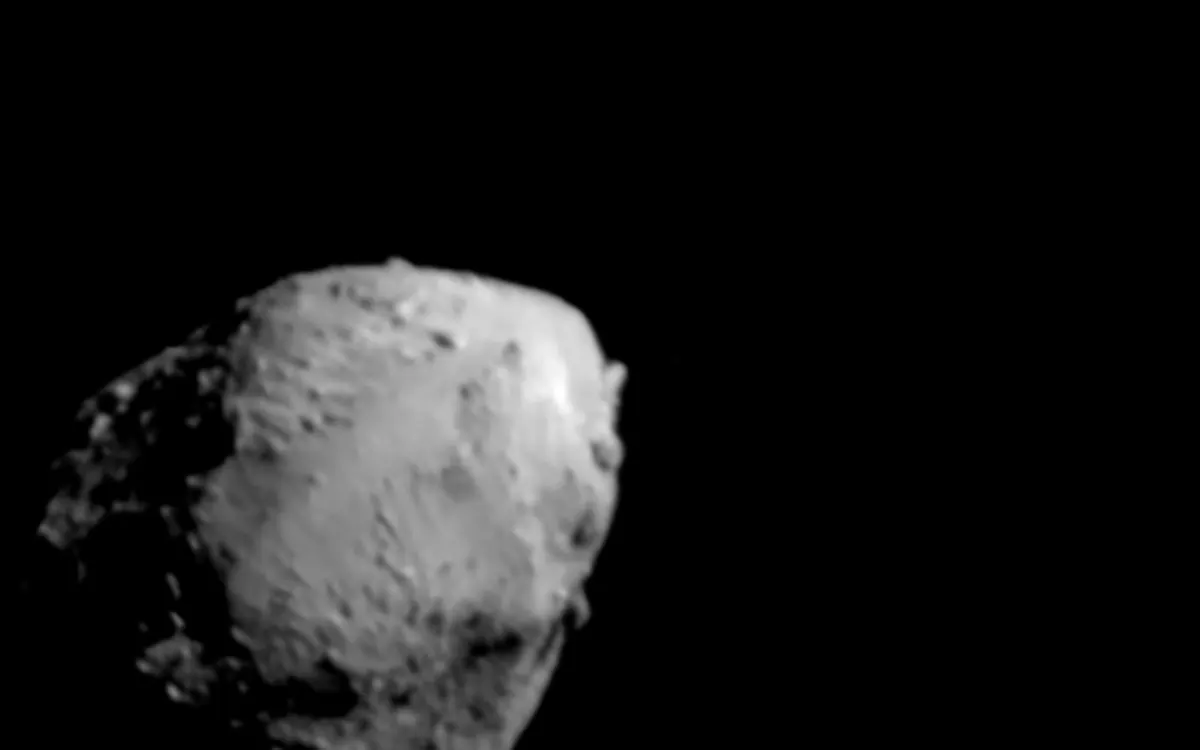
ESA's Hera sees Didymos and Dimorphos apart for the first time
ESA's Hera probe has resolved the Didymos–Dimorphos pair from 1,280 km away. First detailed Dimorphos images since DART's 2022 impact are due 25 November.
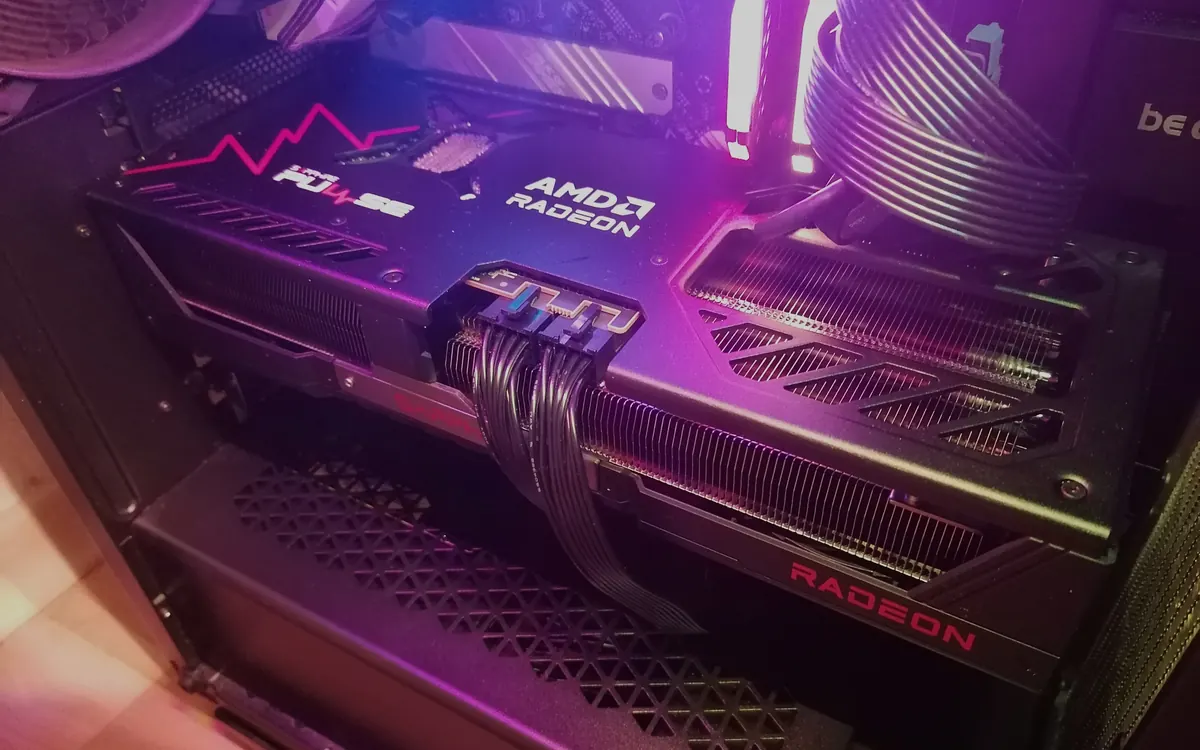
DLSS vs FSR vs XeSS: which upscaler should you use?
DLSS vs FSR vs XeSS explained: how each upscaler works, which GPUs support it, frame generation and lag, and which setting to pick on Nvidia, AMD or Intel.
Samsung Community goes offline for 72 hours: back up first
Samsung Community shuts for 72 hours from October 30 for an overhaul. DMs, drafts, bookmarks and subscriptions won't migrate. What to save and what changes after.