Robot vacuum and mop combos: pros, cons and who they're for
Are robot vacuum-mop combos worth it? How drag pads, vibrating and rotating mops compare, why mop lifting and pad-washing docks matter, and who should skip the mop.
LandGadget Newsroom · · 4 min read
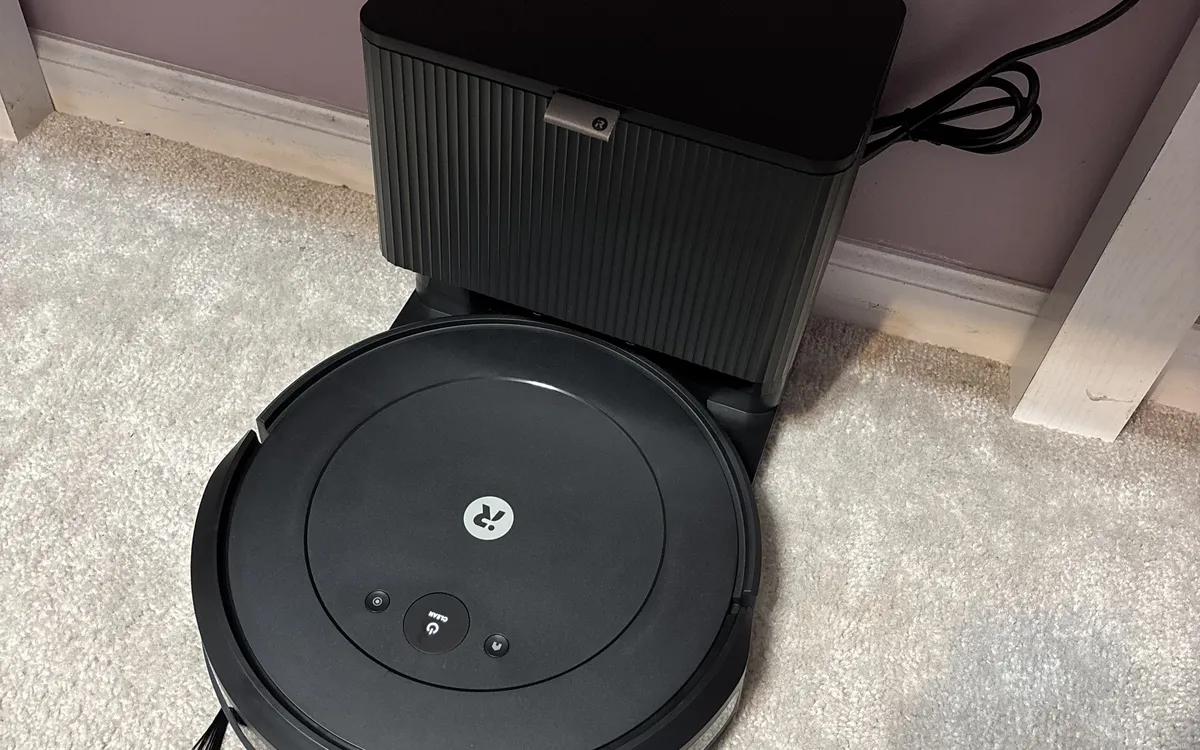
Quick verdictA combo is worth it for mostly hard floors if it lifts or retracts the mop on rugs; a pad-washing dock is what turns mopping from a gimmick into a habit.
Jump to the verdict ↓On this page
Almost every mid-range and premium robot vacuum now also mops. That sounds like a free upgrade, but the mopping part varies widely between models. Some barely dampen the floor. Others scrub, wash their own pads and lift them clear of rugs. Here is how to tell which kind you need, or whether you need one at all.
How robot mopping works
- Static drag pad — a damp cloth dragged behind the robot. It picks up fine dust on tile and laminate but does little on dried spills.
- Vibrating or oscillating pad — the pad moves quickly back and forth for light scrubbing. It is a clear step up for kitchens.
- Rotating mops or roller mops — spinning pads or a roller that is rinsed continuously. These apply the most scrubbing action, and they are often paired with docks that wash and dry them.
The manufacturer's description of the mopping system matters more than the headline suction figure if wet cleaning is the reason you're buying.
The three features that make a combo worth it
- Mop lifting or detaching. Without it, a damp pad drags across your rugs, or you have to fit and remove the mop by hand. Check how high the lift is compared with your rug pile, and whether the robot can leave the pads at the dock.
- Carpet detection. The robot needs to know where the rugs are so it lifts the mop or avoids them. Most apps also let you mark carpet zones on the map manually. Our setup guide explains how.
- A pad-washing (and ideally drying) dock. Dirty, damp pads smell and spread grime. A dock that rinses and dries them is what makes daily mopping realistic.
Pros
+ Pros
- One device for daily dust and light wet cleaning
- Keeps kitchens and hallways noticeably fresher between deep cleans
- Washing docks make daily mopping hands-off
- Room-by-room rules: mop the kitchen, vacuum the bedroom
− Cons
- Doesn't replace a proper mop for sticky or dried-on messes
- Rugs get wet unless the mop lifts or detaches
- Docks with water tanks are large, loud and need refilling and emptying
- More consumables: pads, dock filters, sometimes cleaning solution
Who a combo is for
- Mostly hard floors (tile, vinyl, laminate, sealed wood) with a few rugs.
- Homes with pets or kids where paw prints and crumbs build up daily.
- Kitchen-heavy layouts and open-plan flats where one route covers most of the floor.
Who should skip the mop
- Wall-to-wall carpet homes — you'd be paying for a feature you can barely use.
- Unsealed or waxed wood — check the floor manufacturer's guidance on moisture before using any wet mop.
- Tight spaces with no room for a large dock — a mopping dock with clean and dirty water tanks takes up much more space than a vacuum-only base.
Living with a mopping dock
The dock becomes another appliance to maintain. You refill the clean tank, empty and rinse the dirty one, clean the wash tray and replace pads and filters. How often depends on the model and how much you mop. Our setup guide shows how to configure the dock's maintenance routine. Before buying, also count the dock's yearly consumables, as the buying guide recommends.
Frequently asked questions
Can a robot mop replace a regular mop?
For daily light cleaning on hard floors, largely yes. For sticky spills and deep cleans you will still occasionally need a manual mop.
Do robot mops work on carpets?
No. The robot should lift or remove the mop on carpets, or avoid them in mop mode. Mark rugs on the map so it never mops them.
Is a self-washing dock necessary?
Not strictly, but without one you must wash pads by hand after every run, and most people soon stop mopping.
Our verdict
Worth it for hard floors with a lifting mop and washing dock
If your home is mostly hard floors, a combo with mop lifting and a pad-washing dock is the setup people actually keep using. If you live with carpet or have no room for a large dock, buy a good vacuum-only robot and spend the difference on better navigation. See our LiDAR vs camera guide.
More from Smart Home
View all →Read next

ESA's Hera sees Didymos and Dimorphos apart for the first time
ESA's Hera probe has resolved the Didymos–Dimorphos pair from 1,280 km away. First detailed Dimorphos images since DART's 2022 impact are due 25 November.
DLSS vs FSR vs XeSS: which upscaler should you use?
DLSS vs FSR vs XeSS explained: how each upscaler works, which GPUs support it, frame generation and lag, and which setting to pick on Nvidia, AMD or Intel.

Samsung Community goes offline for 72 hours: back up first
Samsung Community shuts for 72 hours from October 30 for an overhaul. DMs, drafts, bookmarks and subscriptions won't migrate. What to save and what changes after.