Robot Vacuum vs Stick Vacuum: Which Should You Buy?
Robot or cordless stick vacuum? Compare carpets, pets, stairs, effort, running costs and noise to pick the right one, or know when you need both.
LandGadget Newsroom · · 7 min read
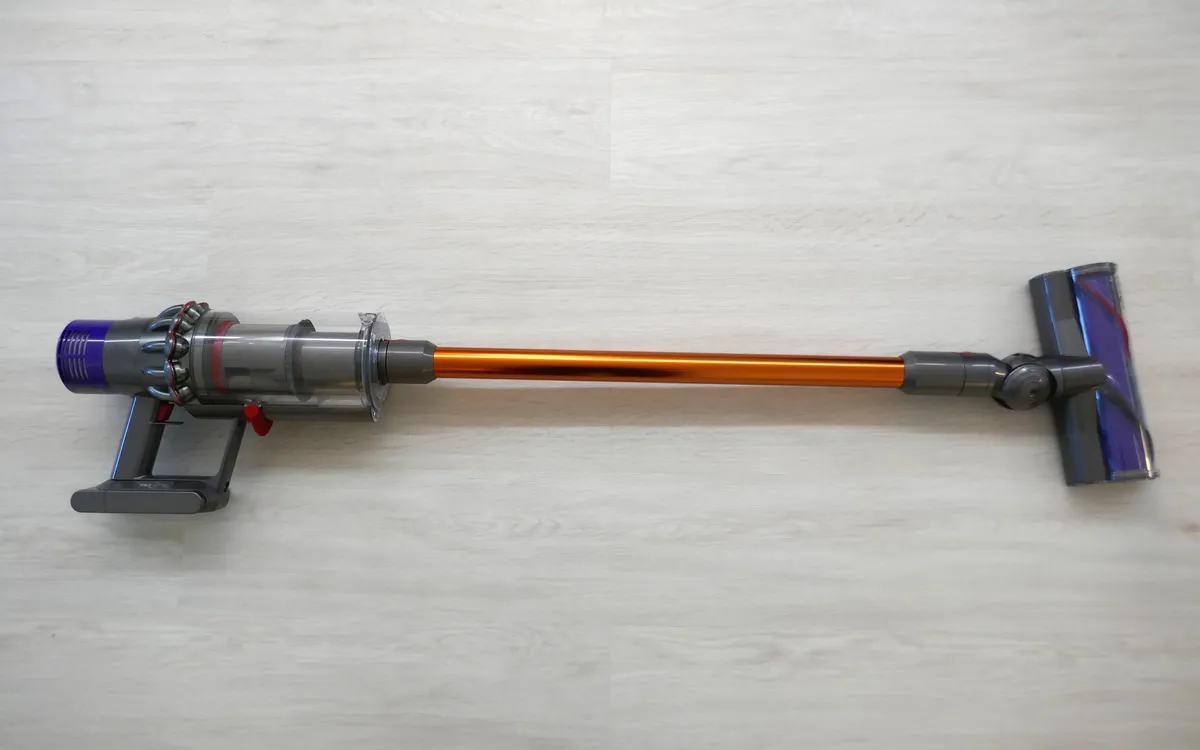
Quick verdictA robot keeps floors tidy every day with no effort; a stick vacuum cleans deeper and goes everywhere. Small flats with mostly hard floors can live with one robot, but most homes with carpet, stairs or pets end up happiest with a stick first and a robot second.
Jump to the verdict ↓On this page
A robot vacuum and a cordless stick vacuum solve the same problem in opposite ways. The robot trades power and reach for automation: it cleans while you are out, on a schedule, without you touching it. The stick trades automation for control: you decide where it goes, how hard it works and how long it spends on the dirty bits.
Neither is "better" in general. This guide walks through the situations where each one wins, so you can choose for your home rather than for a spec sheet. If you have already decided on a robot, jump to our robot vacuum buying guide.
The short answer
| Robot vacuum | Cordless stick vacuum | |
|---|---|---|
| Effort | Almost none once mapped and scheduled | You push it every time |
| Daily upkeep of floors | Excellent: small, frequent runs | Depends on your discipline |
| Deep clean of carpets | Usually weaker | Usually stronger, with motorised heads |
| Stairs, sofas, car, shelves | No | Yes, in handheld mode |
| Edges and corners | Limited by round or D-shaped body | Crevice tool reaches them |
Where a robot vacuum wins
Consistency. The biggest advantage of a robot is not suction, it is frequency. A robot that runs every day while you are at work stops dust, crumbs and pet hair from building up. Floors stay at "nearly clean" all the time instead of swinging between messy and spotless.
Hard floors and open layouts. On tile, laminate and wood, even mid-range robots pick up everyday dust well. Open-plan flats with few thresholds and little clutter are where robots shine.
Busy households. If nobody in the house enjoys vacuuming, the best vacuum is the one that does it without being asked. Room-by-room schedules and no-go zones in the app let you run it when the house is empty.
Mopping. Many robots now combine vacuuming with a mop. That is a light wipe rather than scrubbing, but it keeps kitchen and hallway floors fresher between proper cleans. Our robot vacuum setup guide explains how to map rooms and set mop zones so a wet pad does not touch rugs.
Where a stick vacuum wins
Carpets and rugs. A stick vacuum with a motorised brush head usually pulls more embedded dirt from carpet than a robot, because you can slow down, go over a spot repeatedly and use a boost mode on the worst areas.
Everywhere a robot cannot go. Stairs, sofas, mattresses, car seats, shelves, skirting boards, cobwebs on the ceiling: most sticks convert into a handheld vacuum with crevice and brush tools. A robot only ever cleans the floor it can reach.
Spills and spot cleaning. Cereal on the kitchen floor, soil from a plant pot, glitter after a school project. Grabbing a stick off the wall is faster than starting a robot and waiting for it to find the mess.
Clutter and complicated layouts. Homes with lots of chair legs, cables, toys, high thresholds or low furniture slow robots down and can trap them. A stick does not care what is on the floor; you simply step around it.
Pets, allergies and hair
Pet owners often benefit most from both. Shedding happens every day, so a robot running daily keeps fur under control on open floor. But hair also gets ground into rugs and sofas, which needs a stick with a mini motorised tool.
If someone in the home has allergies, look for a sealed system and a washable or replaceable fine filter on whichever vacuum you buy, and empty bins outdoors or into a bag. Self-emptying robot docks help here because they seal dust into a bag instead of you tipping a small bin by hand. Whatever you choose, filters clog quickly with pet hair: our guide on how to clean a robot vacuum covers brushes and filters step by step, and most of it applies to stick vacuums too.
Running costs and maintenance
Both types have ongoing costs that are easy to overlook:
- Robot vacuums: side brushes, main rollers, filters and, if the dock self-empties, dust bags. Mop pads wear out too. Batteries degrade over the years, so check whether replacements are sold.
- Stick vacuums: filters and, eventually, the battery pack. On many models the battery clicks out, which makes replacing it straightforward; on others it is built in.
Before you buy either, check that the manufacturer sells spare parts in your country and how long it has supported older models with parts and app updates.
+ Pros
- Robot: keeps floors tidy daily with zero effort, works while you are out
- Robot: mop combos freshen hard floors between proper cleans
- Stick: stronger on carpet, reaches stairs, sofas, cars and corners
- Stick: instant spot cleaning with no mapping or app
− Cons
- Robot: weaker deep clean, cannot do stairs or furniture, struggles with clutter
- Robot: app, Wi-Fi and privacy questions for camera models
- Stick: you still have to do the vacuuming yourself
- Stick: battery runtime drops on boost mode; large homes may need a recharge mid-clean
Noise, storage and privacy
A robot can be noisy, but you can schedule it when nobody is home, so noise matters less. A stick is loud for the few minutes you use it. Storage is different too: a robot needs a dock with clear space around it, ideally on each floor or carried between floors; a stick usually hangs on a wall charger in a cupboard or hallway.
Robots also raise a privacy question that sticks do not: many map your home, and some use cameras to recognise obstacles. Check what the app uploads, whether maps are stored in the cloud and whether you can delete them. If you prefer to keep devices local, our piece on smart home without internet explains what to look for.
Which one should you buy?
- Small flat, mostly hard floors, little clutter: a robot alone can be enough; keep a cheap handheld for spills.
- House with stairs, carpets or rugs: start with a good stick vacuum, then add a robot to cut down on daily vacuuming.
- Pets that shed: both, if the budget allows. The robot handles daily fur, the stick handles rugs and furniture.
- You hate vacuuming and are rarely home: a robot first, with a realistic expectation that you will still need a deeper clean now and then.
- Tight budget: a mid-range stick covers more jobs per euro or dollar than an entry-level robot.
Our verdict
Stick first for most homes, robot first for small hard-floor flats
A robot vacuum buys you clean-looking floors without lifting a finger, but it will not do stairs, sofas or a deep carpet clean. A cordless stick vacuum cleans better and goes anywhere, but only when you use it. If you can only buy one, pick the stick for homes with carpet, stairs or pets and the robot for small, open, mostly hard-floor flats. Many households end up with both — and that is not overkill: they do different jobs.
Frequently asked questions
Can a robot vacuum replace a regular vacuum?
In a small flat with mostly hard floors and little clutter, often yes for everyday cleaning. Most homes still need a stick or handheld for stairs, furniture, corners and an occasional deeper carpet clean.
Is a stick vacuum better than a robot for pet hair?
For rugs, sofas and stairs, yes, because you can use a motorised mini tool and go over spots repeatedly. A robot is better at keeping open floors free of daily shedding. Many pet owners use both.
Do robot vacuums work on thick carpet?
They can clean it, but deep pile is their weakest area. Check the carpet boost feature and maximum threshold height, and expect a stick vacuum to do a more thorough job on thick carpet.
Should I buy a robot vacuum with a mop?
Only if you have a lot of hard floor and want light daily mopping. A mop on a robot is a wipe, not a scrub. If you have rugs, make sure it can lift the mop or avoid carpets automatically.
More from Smart Home
View all →Read next

ESA's Hera sees Didymos and Dimorphos apart for the first time
ESA's Hera probe has resolved the Didymos–Dimorphos pair from 1,280 km away. First detailed Dimorphos images since DART's 2022 impact are due 25 November.
Half-Life: Alyx adds foveated rendering on PC: which GPUs work
Valve's new Half-Life: Alyx patch adds a foveated rendering option on PC. It needs Nvidia GTX 16 or RTX 20 series or newer, AMD via Vulkan, and works best with eye tracking.

Samsung Community goes offline for 72 hours: back up first
Samsung Community shuts for 72 hours from October 30 for an overhaul. DMs, drafts, bookmarks and subscriptions won't migrate. What to save and what changes after.