Matter and Thread: the smart home standards, demystified
What Matter and Thread are, how they work together, and what to check before buying your next smart home device.
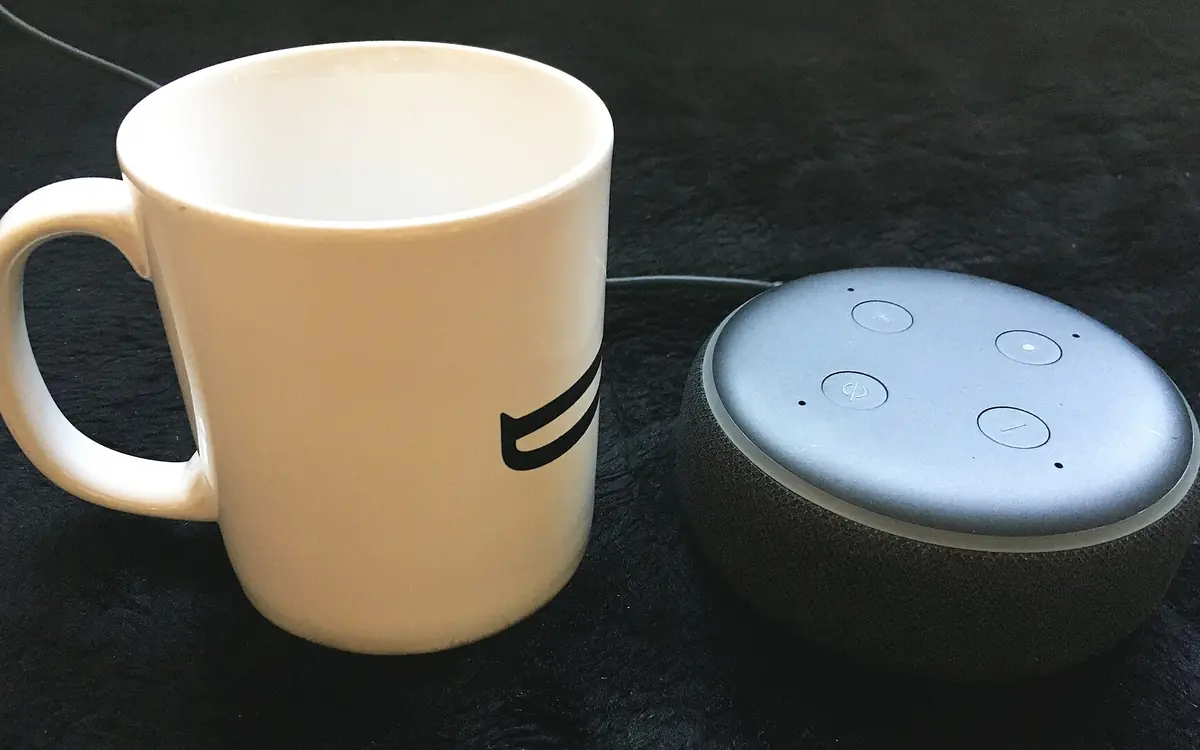
For years, smart home buyers had to check whether a device worked with Apple Home, Google Home, Amazon Alexa or SmartThings. Matter is the industry's attempt to fix that.
What is Matter?
Matter is an open, royalty-free smart home standard managed by the Connectivity Standards Alliance (CSA), with backing from Apple, Google, Amazon, Samsung and many others. A Matter-certified device is designed to work with any Matter-compatible ecosystem.
Key ideas:
- Local control. Matter devices communicate on your home network, so many automations keep working even if your internet goes down.
- Multi-admin. One device can be controlled from more than one ecosystem at once — for example, both Apple Home and Google Home.
- Simple setup. Devices are added by scanning a Matter QR code or entering a pairing code.
What is Thread?
Thread is a low-power wireless networking protocol. Matter can run over Wi‑Fi, Ethernet or Thread.
Thread devices form a mesh: mains-powered devices such as smart plugs and bulbs relay messages for others, so the network gets stronger as you add devices. Battery-powered sensors benefit from Thread's low energy use.
Thread border routers
To connect a Thread network to the rest of your home network, you need a Thread border router. Many recent smart speakers, smart displays and streaming boxes include one — check your existing devices before buying a separate hub.
Before you buy a device
- Look for the Matter logo on the box or listing.
- If it's a Thread device, make sure you have a Thread border router.
- Check which device types your ecosystem supports — Matter adds new categories over time, and support can vary between platforms.
- Prefer devices that receive regular firmware updates.
Keep reading
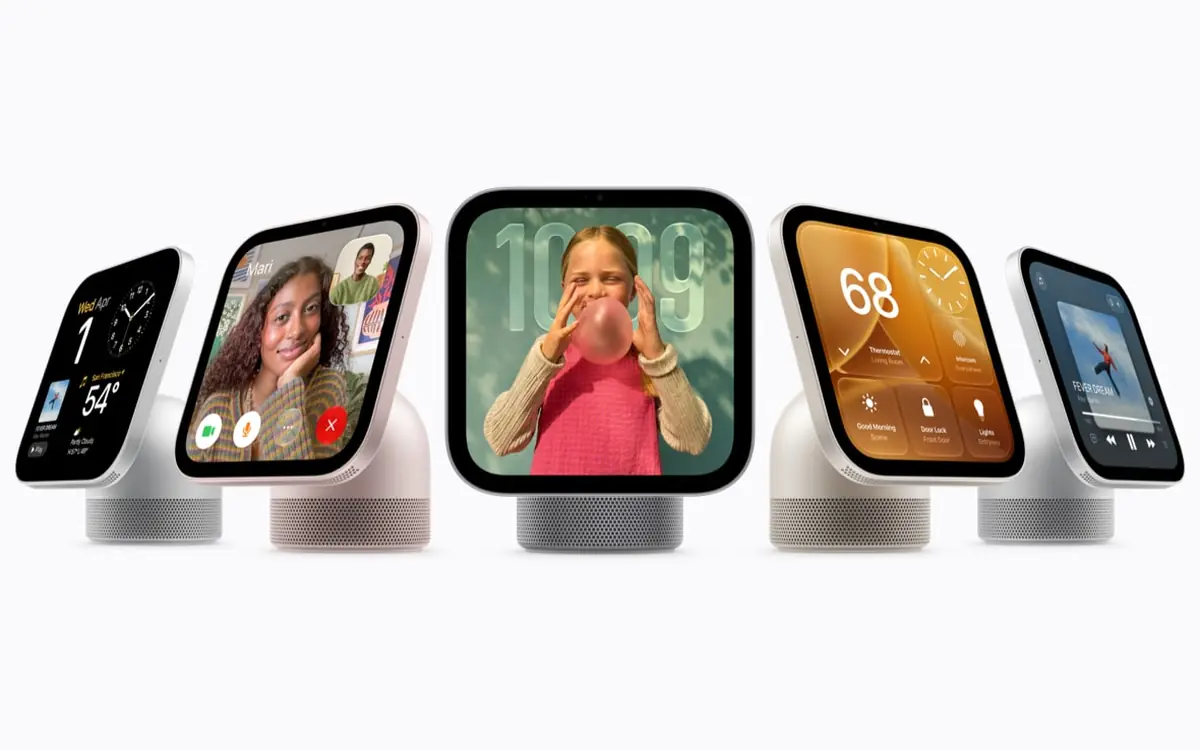
Apple HomeView is a $299 smart display with Siri AI and face recognition
Apple's first smart display has a 7-inch screen, recognises up to six people and runs the new Siri AI. Pre-orders are open now; it ships 13 November, but not in the EU.
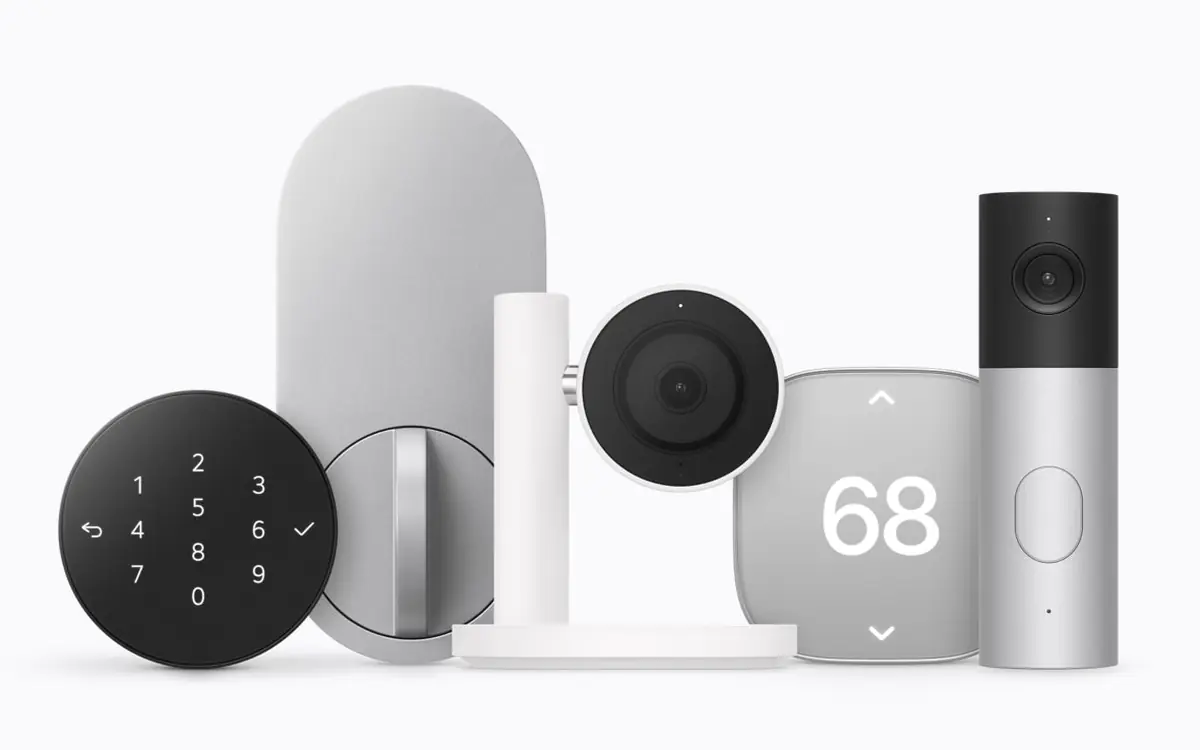
Apple Home Collection: a doorbell, lock, cameras and thermostats made with LG and Schneider
Apple's new smart home lineup, co-developed with LG and Schneider Electric, sets up with one tap and lives in the Home app. Prices start at $39.95; sales begin in December.
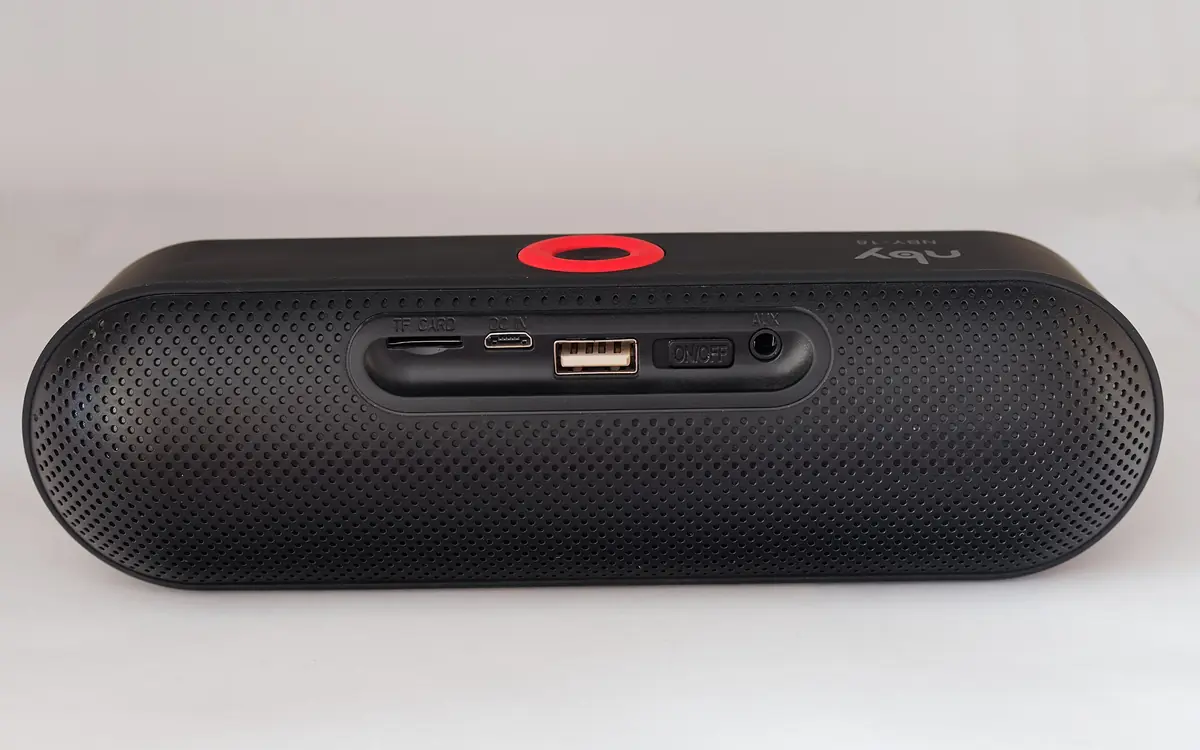
CMF, Nothing's budget brand, launches its first speakers: Speaker M and Speaker S
Both Bluetooth speakers are IP68-rated, use Bluetooth 6.0 and promise up to 18 hours of playback, priced at $109 and $59.