FCC approves Amazon's Globalstar deal: what it means for iPhone
The FCC cleared Amazon Leo's roughly $11.5 billion purchase of Globalstar, the network behind iPhone satellite features. What changes for Emergency SOS and when.
LandGadget Newsroom · · 2 min read
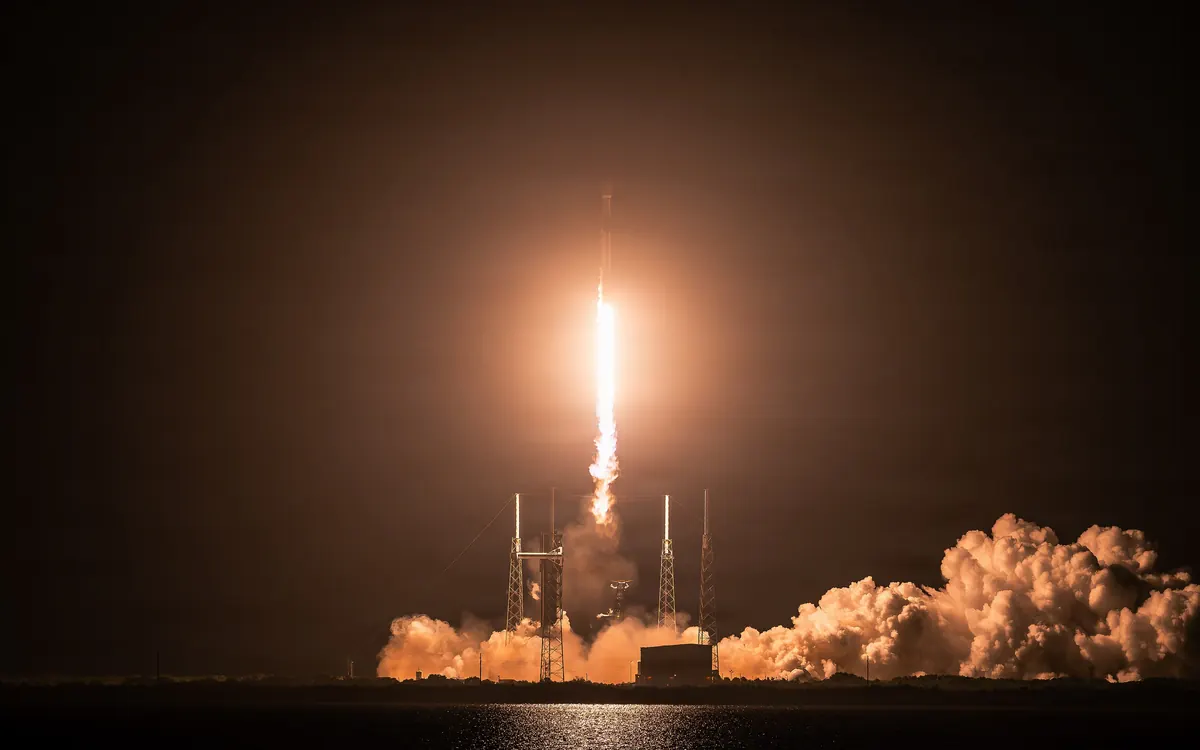
The satellite network behind the iPhone's Emergency SOS via satellite is about to get a new owner. On 27 October the Federal Communications Commission approved Amazon Leo's acquisition of Globalstar, according to an FCC news release. The deal is valued at around $11.5 billion. Amazon Leo is the satellite internet business formerly known as Project Kuiper.
What the FCC approved
- Transfer of Globalstar's licences to Amazon, including roughly 25 MHz of internationally harmonised mobile-satellite service (MSS) spectrum, as SpaceNews and Fierce Network report.
- Why: the FCC says the deal should improve coverage in unserved and underserved areas, strengthen emergency communications and lead to more intensive use of satellite spectrum. Chairman Brendan Carr said it would let Amazon Leo "deliver fast, next-gen satellite broadband services, increase competition".
- The only objection came from a company called Yippy. The FCC's Space Bureau ruled that it was a private contract dispute and not a matter for the transaction review.
Globalstar will become a wholly owned Amazon subsidiary but keep its corporate identity, Via Satellite reports. Amazon also gets Globalstar's private 5G business, XCOM RAN.
Why iPhone owners should care
Apple's satellite features, including Emergency SOS, Messages via satellite, Find My and Roadside Assistance, run on Globalstar's network. When the deal was announced, Amazon and Apple also agreed that Amazon Leo would power satellite services for iPhone and Apple Watch. Separately, Amazon has applied to the FCC for a constellation of up to 5,105 satellites built for direct-to-device service, which would connect ordinary phones straight to satellites. That application is still pending.
For now, nothing changes on your phone. Amazon expects the deal to close in 2027, and neither company has announced new features, prices or coverage. The bigger story is competition. Together with SpaceX's Starlink service for T-Mobile and other partnerships, Amazon would become a third major player in satellite-to-phone links. In Europe, the four biggest carriers are planning their own joint bid for satellite spectrum.
Want to know what your phone can already do with no signal? Our guide to satellite texting on phones covers supported models, countries and setup. And if you hike off-grid, a power bank helps, because searching for a satellite drains the battery fast.
More from Smartphones
View all →Read next
Robot vacuums for carpets vs hard floors: what to look for
Carpet, rugs or hard floors? Which robot vacuum features matter for each: brushes, carpet boost, threshold height, mop lifting, edge cleaning and setup per room.

ESA's Hera sees Didymos and Dimorphos apart for the first time
ESA's Hera probe has resolved the Didymos–Dimorphos pair from 1,280 km away. First detailed Dimorphos images since DART's 2022 impact are due 25 November.
DLSS vs FSR vs XeSS: which upscaler should you use?
DLSS vs FSR vs XeSS explained: how each upscaler works, which GPUs support it, frame generation and lag, and which setting to pick on Nvidia, AMD or Intel.