NASA's Roman telescope enters its final commissioning phase
NASA says the Roman Space Telescope is fully functional and has moved into science commissioning: guiding, slewing and exposures work, and image quality is now being fine-tuned.
LandGadget Newsroom · · 2 min read
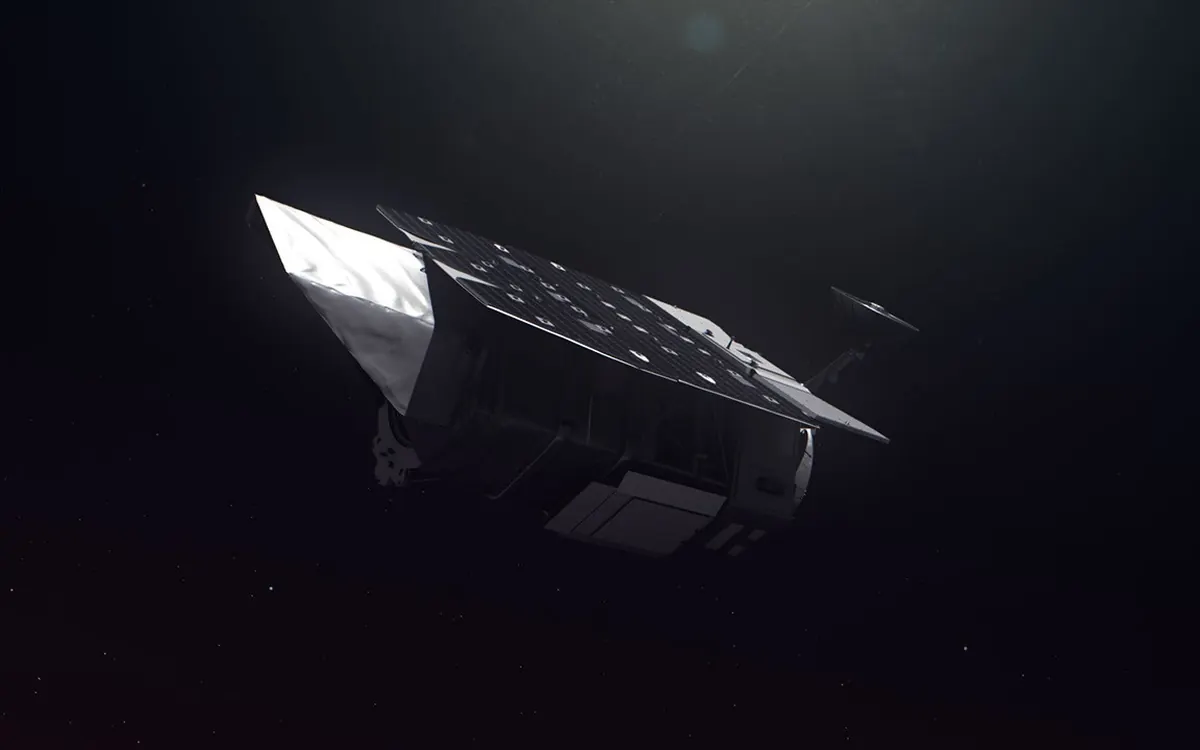
NASA's Nancy Grace Roman Space Telescope has passed another milestone. After a full checkout and tuning of the observatory and its main instrument, the mission has moved into science commissioning, the final phase before regular science operations, NASA said in a Roman mission blog post.
"Fully functional"
"We've established that the observatory is fully functional," said Julie McEnery, Roman's senior project scientist at NASA Goddard. The telescope can guide and take exposures, data flows correctly, and it can slew from one target to the next. The team is now "drilling into the fine details" of image quality.
One early worry has gone away. Roman locks onto a target by holding steady on individual stars in that direction. Operations project scientist Tom Barclay said the team feared the fine guidance system could get confused in very crowded star fields or regions buried in thick dust. Test observations showed Roman "performs wonderfully in all cases", he said.
Why commissioning takes so long
Roman's requirements are strict. If some images came out slightly blurrier or brighter than others, scientists couldn't tell whether a cosmic object had really changed or the telescope had. Wide Field Instrument scientist Josh Schlieder said even very small flaws "could mask the small signals we are aiming to measure".
So the team is running a planned series of test observations to:
- characterise how the observatory performs;
- calibrate how the instruments respond to light;
- refine image quality before switching to science operations.
Roman's superpower: speed
What stands out so far is how fast Roman covers the sky. Scientist Jeremy Perkins said he was "marveling at the level of detail Roman provides in very short time periods" while imaging famous parts of the sky. Large mosaics that used to be special projects should become routine. In a typical observation, Schlieder said, Roman will see objects a hundred million times fainter than the human eye can detect.
NASA adds that some systems are performing better than required, which could open up extra science. Roman is built for wide infrared surveys of dark energy, dark matter and exoplanets; NASA has not given a date in this update for the start of science operations.
Hubble is already preparing for those surveys; read how it is charting gravitational lenses for Roman. Want to look up yourself? Start with our beginner telescope guide.
More from Science & Space
View all →Read next

Cyberpunk 2077 update 2.5: dual wielding, mods and an Edgerunners 2 gig
CD Projekt Red's free Edgerunners 2 Update (2.5) adds dual-wielded pistols, cross-platform mods via mod.io, cyberware styling and a prequel quest to the new anime.
How to spot fake apps on Google Play before you install
Fake WhatsApp, Chrome and banking apps keep slipping onto Google Play. Learn the checks that expose a clone: developer, downloads, reviews, ads, permissions, Play Protect.

1Password for Agents: AI can sign in without your password
1Password's new Agents platform lets AI assistants like Meta's Muse log in on your behalf after you approve, filling credentials the agent never sees or keeps.