ESA loses Space Rider test model in failed drop test
A full-scale Space Rider model was lost when its parafoil failed to deploy in an October drop test. ESA has opened an inquiry; first flight slips to Q2 2028.
LandGadget Newsroom · · 3 min read
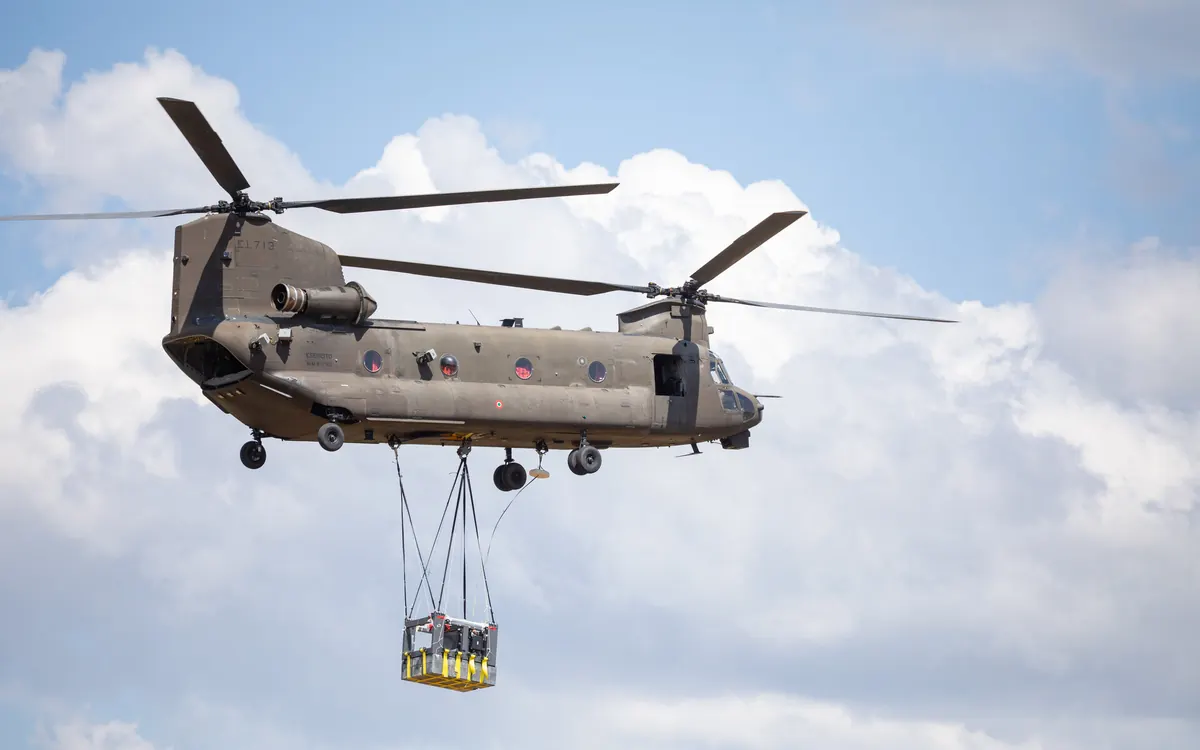
Europe's reusable mini-spaceplane has hit another bump. A full-scale drop test of Space Rider, ESA's uncrewed spacecraft that is meant to fly to orbit and then land back on Earth, ended with the loss of the test model after its parafoil failed to deploy as expected, European Spaceflight reports.
What happened
The test took place earlier this month as part of Space Rider's final system-level drop-test campaign. An anomaly occurred while the large parafoil, the steerable wing-shaped parachute that should glide the vehicle to its landing zone, was deploying.
"The test model was lost as a result of the anomaly," an ESA spokesperson told the outlet. "An independent investigation is ongoing to determine its root cause and inform the next steps."
This was not a simple dummy. Earlier tests in 2024 and 2025 used mass simulators, basically weighted pallets, to check the parachutes and the autonomous landing software. This campaign used a full-scale model with Space Rider's real mass, aerodynamic shape and landing gear, so that ESA could confirm how the full vehicle would land.
Second setback this year
It is the second interruption to the campaign in 2026. In May, an attempt was aborted during the captive ascent, when a CH-47 Chinook helicopter was still carrying the model to altitude. That model was recovered safely, but ESA said testing could not resume before October, mainly because the test range wasn't available.
ESA has not said whether it needs a replacement test model or when a new attempt might happen. It still expects the first flight in 2028, although the target has moved from the first to the second quarter.
Space Rider's landing tests
2024
First drop tests
Two months of tests with mass simulators check the parachute chain.
Jun 2025
Autonomous landing
In Sardinia, a test pallet guides itself under the parafoil from 2.5 km and lands within 150 m of its target, ESA says.
May 2026
Aborted attempt
The full-scale campaign stops during the helicopter ascent; the model is recovered.
Oct 2026
Model lost
The parafoil fails to deploy properly; an independent investigation begins.
Q2 2028
First flight target
Launch on a Vega C with the new P160C first stage from French Guiana.
Why the parafoil matters
Space Rider is about the size of two minivans. It is designed to stay in orbit for up to three months with experiments on board, from pharmaceutical research to in-orbit manufacturing, and then come home. After reentry at more than six times the speed of sound, a drogue parachute and a pilot chute slow it down and pull out the parafoil at about 5 km altitude. The parafoil then steers it to a gentle landing on skids. If that last step can't be trusted, the payloads can't come home intact.
ESA's Lunar Link relay test shows the agency's other hardware moving on schedule, and Japan's MMX probe is now on its way to Phobos. To watch launches and spacecraft from your back yard, see our beginner telescope guide.
More from Science & Space
View all →Read next
ID@Xbox x IGN showcase: 7 highlights for Xbox and Game Pass
The October ID@Xbox and IGN show revealed a Digging a Hole sequel, dated The Wolf Among Us Remastered and Zero Parades, and surprise-launched Arctic Eggs.

Chrome adds 'suspicious site' warnings and ClickFix checks
Chrome's Enhanced Protection gets softer 'this site doesn't seem right' warnings, server-side Gemini scam checks and alerts when you copy a ClickFix command.
UK watchdog moves to open iPhone NFC to Apple Pay rivals
The CMA wants Apple to let UK apps use the iPhone's contactless chip through both main NFC standards, at much lower fees. Consultation closes 17 November.