inDrive plans robotaxi tests in Astana in 2027 with Pony.ai and Nvidia
inDrive, Pony.ai and Nvidia signed an MOU to test Gen-7 robotaxis via the inDrive app in Astana, Kazakhstan, from the first half of 2027, first with a safety operator.
LandGadget Newsroom · · 2 min read
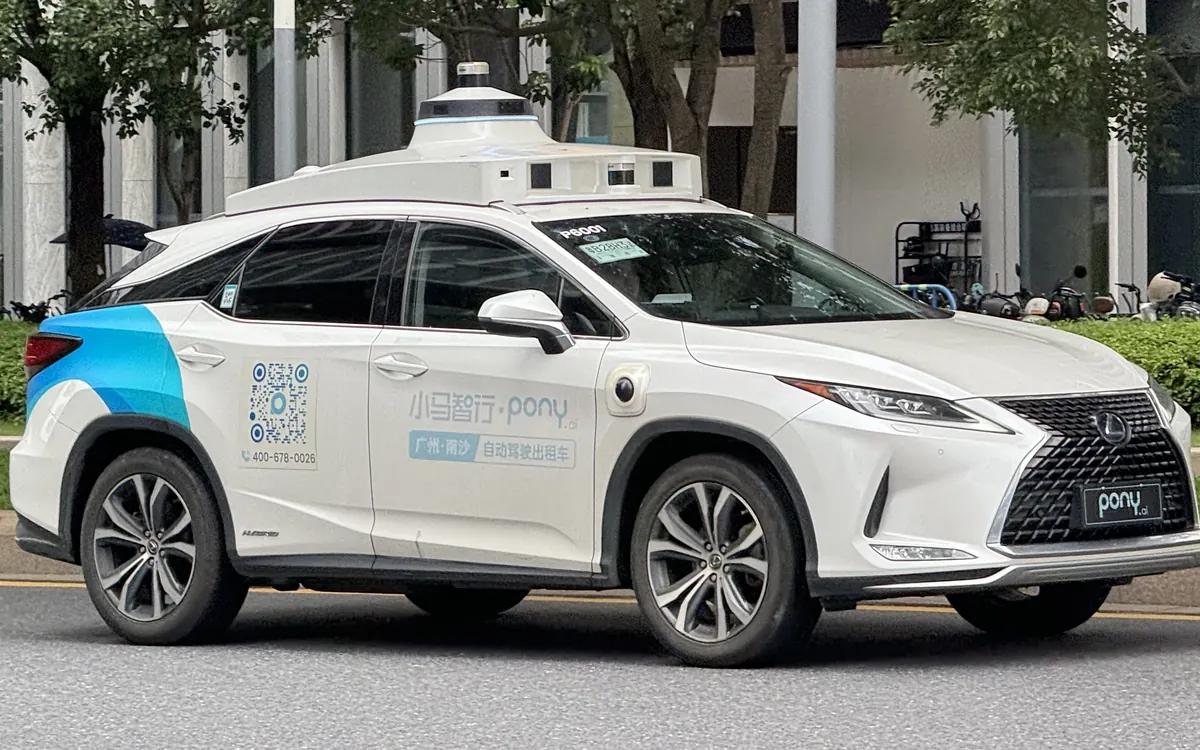
inDrive, the ride-hailing app known for letting passengers and drivers haggle over the fare, wants to add cars with no one behind the wheel. The company has signed a memorandum of understanding with Chinese self-driving firm Pony.ai and Nvidia to test robotaxis in Kazakhstan, with the capital Astana as the first city.
The plan and the timeline
According to inDrive CTO Yuri Misnik, speaking to TechCrunch, testing should begin in the first half of 2027. Early rides will carry a safety operator; fully driverless trips are the eventual goal rather than the starting point.
The work is split three ways, as described in Pony.ai's press release:
- Pony.ai provides its seventh-generation (Gen-7) robotaxis, built for Level 4 autonomy.
- inDrive offers the rides inside its existing app and operates the service locally.
- Nvidia supplies the computing side: its Hyperion reference sensor-and-compute platform and the Halos safety system.
The MOU is about evaluating technical, operational, regulatory and commercial feasibility, so this is a test plan, not a commercial launch date. The partners say the service also depends on an agreement with Kazakhstan's government.
Why Kazakhstan, and why Astana
Pony.ai says Kazakhstan was picked for its regulatory readiness: the country has created its first legal framework for driverless transport. TechCrunch notes that Kazakhstan announced plans last month to launch autonomous taxi services in 2027, with trials in Astana and two other cities.
Astana, a city of about 1.7 million people, is also a tough test. Its long winters bring months of snow and ice, which challenge cameras, lidar and driving software. inDrive founder Arsen Tomsky said launching there would help evaluate the technology "in challenging winter conditions". If it works, the companies will consider other Kazakh cities and other countries where inDrive operates.
The bigger picture
The deal adds to Pony.ai's push beyond China. TechCrunch reports the company aims to run more than 3,500 robotaxis in over 20 cities by the end of 2026, up from 1,975 vehicles at the end of June. For Nvidia, it is another case of selling the platform layer, the sensors, compute and safety stack, while partners handle cars and customers.
Robotaxis are moving fast in the US too: see our report on Tesla's Cybercab and unsupervised FSD plans, and why driver-assist still needs attention after the CHP crash involving a sleeping FSD driver.
More from Cars & EVs
View all →Read next
Cyberpunk 2077 update 2.5: dual wielding, mods and an Edgerunners 2 gig
CD Projekt Red's free Edgerunners 2 Update (2.5) adds dual-wielded pistols, cross-platform mods via mod.io, cyberware styling and a prequel quest to the new anime.

How to spot fake apps on Google Play before you install
Fake WhatsApp, Chrome and banking apps keep slipping onto Google Play. Learn the checks that expose a clone: developer, downloads, reviews, ads, permissions, Play Protect.
1Password for Agents: AI can sign in without your password
1Password's new Agents platform lets AI assistants like Meta's Muse log in on your behalf after you approve, filling credentials the agent never sees or keeps.