Europe's big four carriers plan joint satellite-to-phone bid
Deutsche Telekom, Orange, Telefónica and Vodafone signed a letter of intent to bid together for EU satellite spectrum, so phones could connect via satellite.
LandGadget Newsroom · · 3 min read
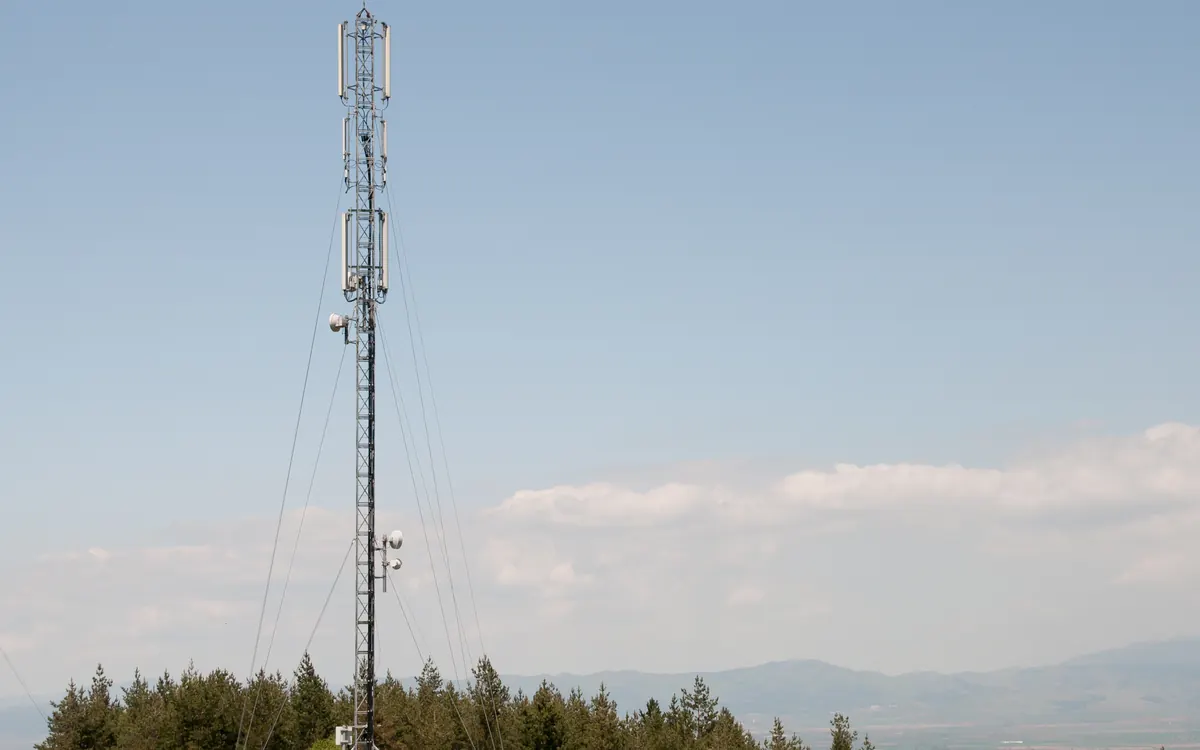
Europe's four biggest mobile operators want to bring satellite coverage to ordinary phones together. Deutsche Telekom, Orange, Telefónica and Vodafone said on 19 October that they have signed a letter of intent to explore a joint bid for the future allocation of Mobile Satellite Services (MSS) spectrum in Europe, according to a joint statement also published by Telefónica.
The plan targets direct-to-device (D2D) service. Instead of needing a bulky satellite phone, a regular smartphone would connect to a satellite when no ground network is in range. The four companies list three goals: coverage in underserved areas, more resilient public networks and protection of critical communications. They also want to support the development of a European constellation.
Who builds what
The operators say they would set up the key ground network infrastructure, plus coordination and monitoring functions, in Europe. They do not plan to invest directly in satellites: the constellation would come from a satellite partner that has not been chosen yet. The idea, as they put it, is to combine European governance and market access with a partner's proven satellite technology.
The proposed service would not be limited to the four companies' own customers. The statement promises open and non-discriminatory access for all mobile network operators, so smaller carriers could offer D2D to their users too.
Why now
According to Telecompaper, the move follows the EU's plan to reserve part of these frequencies for a European company. Together, the four groups serve hundreds of millions of customers: in their own figures, Deutsche Telekom has more than 273 million mobile customers, and Vodafone serves around 370 million mobile and broadband customers. Space security is a live topic in Europe right now, as shown by the recent Russian satellite that shadowed a Finnish company's radar satellite.
What it means for phone owners today
For now, nothing changes. A letter of intent is not a final deal, the EU spectrum award is still ahead, and the companies did not say which phones would support the service or when it might launch. Satellite messaging features already offered on some phones through other partnerships are a separate matter.
Frequently asked questions
Is this a deal to launch a satellite phone service?
Not yet. It is a letter of intent to explore a possible joint bid for spectrum. No launch date, price or coverage map has been announced.
Will the operators launch their own satellites?
No. They plan to build ground infrastructure and coordination functions in Europe, and a satellite partner that has not been chosen yet would provide the constellation.
Does it replace existing satellite partnerships?
No. The companies say the letter of intent does not replace any of their existing satellite partnerships.
Could customers of other operators use it?
That is the stated plan: open and non-discriminatory access for all mobile network operators, which could then offer direct-to-device service to their own customers.
Until satellite-to-phone service arrives, hikers and travellers heading off-grid still need a backup plan. A good power bank keeps a phone alive longer when it is searching for a signal.
More from Smartphones
View all →Buying guide
iPhone Duo battery is 4,883 mAh: how it compares
Read next

Switch Sports Resort lands Oct 22: what's in all 12 sports
The Switch 2 exclusive Switch Sports Resort arrives on 22 October with 12 motion-control sports on Wuhu Island, including Skateboarding and Thumb Wrestling.

ALMA's 'cosmic hamburger' shows how giant planets may form
ALMA slices the edge-on disk known as Gomez's Hamburger into layers of gas and dust and spots a clump that may be a giant planet in the making. What it shows.
UGREEN ID500 Pro is a Matter camera that records locally
UGREEN's 4K pan-tilt ID500 Pro streams and moves over Matter 1.5.1 and records to its new HomeAgent hub. Early-bird prices, what it needs and when it ships.