UK asks the public to name its space junk clean-up mission
The UK Space Agency's £60m+ debris removal mission will grab two dead satellites from 2029, and a two-word name for the spacecraft is now open for entries.
LandGadget Newsroom · · 3 min read
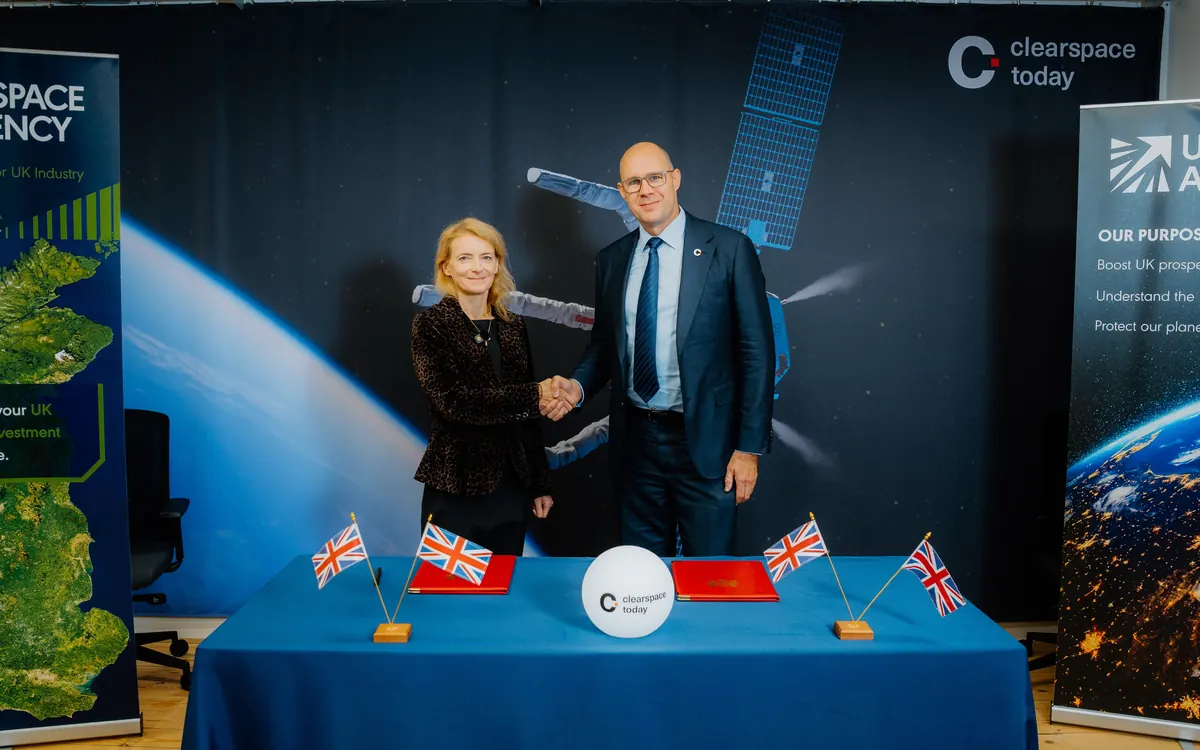
Britain's first national space mission needs a name, and the UK Space Agency is asking the public to choose it. The spacecraft will be used for the UK Active Debris Removal mission (UK ADR), which the government announced this week together with a naming competition. The Register picked up the call for names on Saturday.
What the mission will do
UK ADR is designed to remove two defunct UK-registered satellites from low Earth orbit. The spacecraft will grab each one and release it into a lower orbit, where it will burn up in the atmosphere, then move on to the next target. The government calls it a world first, as no spacecraft has disposed of more than one satellite this way.
- Funding: more than £60m from the UK government; ClearSpace puts its prime contract at £61m.
- Who builds it: ClearSpace UK, with the UK Space Agency acting as the government customer.
- Launch: planned for 2029 from SaxaVord Spaceport in Shetland, Scotland.
- Finish line: both satellites should be removed by 2032.
- Reusable: the spacecraft is designed to be refuellable, so it could keep working after this mission.
"Our next step is to design, build and test a spacecraft that can get close, safely, to an object never designed to be caught, and take control of it," said Rob Atchison, managing director of ClearSpace UK.
Why it matters
The government says hundreds of thousands of tracked debris objects travel at more than 17,000 mph, which is fast enough to damage the satellites behind GPS, weather forecasts and communications. Today, most satellites are simply abandoned when they run out of fuel or fail. Capturing objects that were never designed to be serviced is a key skill for future repair, refuelling and in-orbit manufacturing.
How the naming contest works
Entries need a name of no more than two words (or an acronym) and an explanation of up to 150 words on how it reflects keeping space clean and safe. Military themes, brands, existing spacecraft names and anything offensive are out. The competition closes at 5pm GMT on 10 December 2026, and the winning name will appear on the mission patch and the spacecraft.
Frequently asked questions
Who can enter the UK ADR naming competition?
Only UK residents, with one entry per person. Schools and classes can enter jointly, and entries for under-18s must be submitted by a parent or teacher.
When does it close?
At 5pm GMT on 10 December 2026. The UK Space Agency can extend the deadline.
Is the winning entry guaranteed to be used?
No. A judging panel picks a winner, and the final name still needs approval from the UK Space Agency and ClearSpace, so it may differ.
For more on keeping an eye on the space around Earth, see our story on ESA's Sawa space weather mission and Blue Origin's push for more frequent launches from Florida.
More from Science & Space
View all →Read next
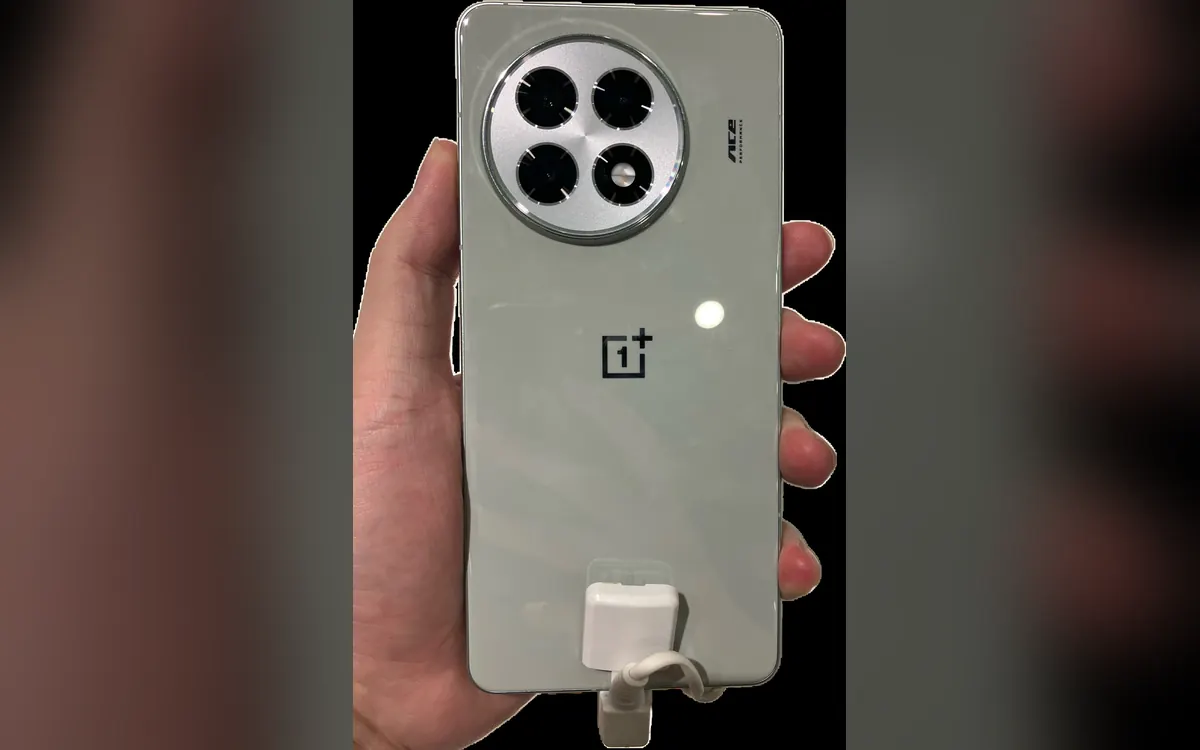
OnePlus Ace 7's fan blows two ways to keep your hands cool
OnePlus says the Ace 7 series' built-in fan splits its airflow between the chip and the back panel and keeps hot air off your fingers. Why that detail matters.

Switch Sports Resort lands Oct 22: what's in all 12 sports
The Switch 2 exclusive Switch Sports Resort arrives on 22 October with 12 motion-control sports on Wuhu Island, including Skateboarding and Thumb Wrestling.
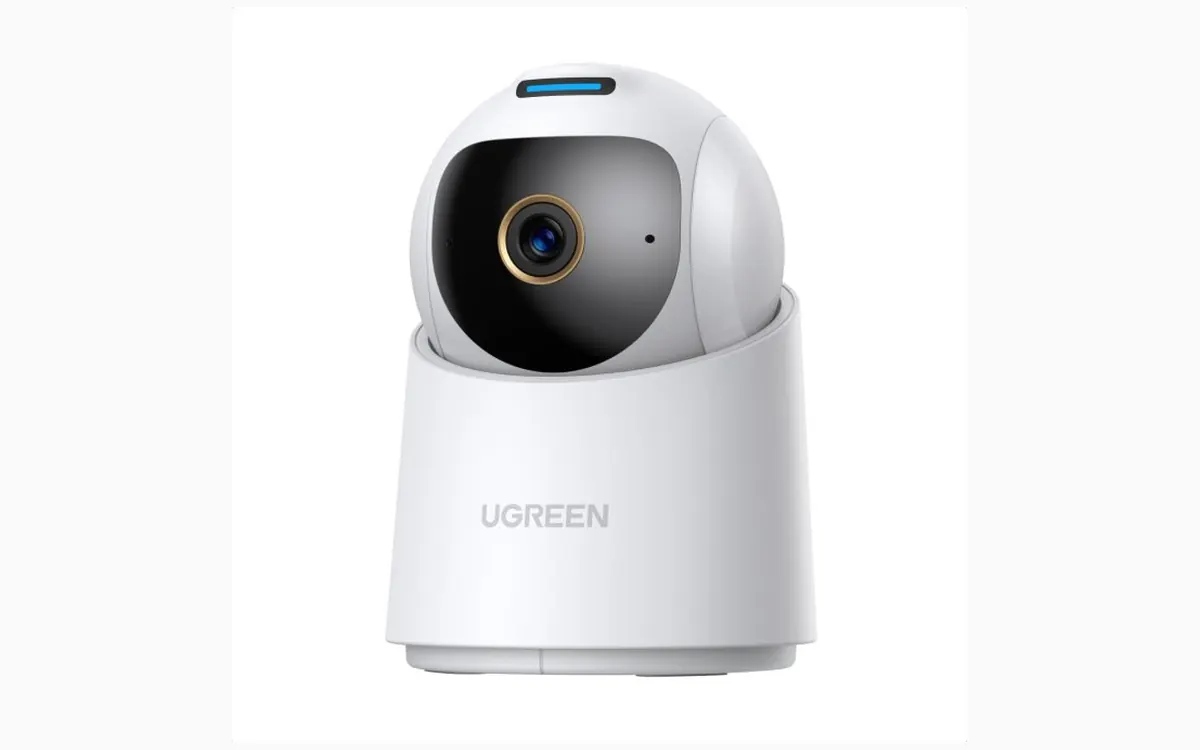
UGREEN ID500 Pro is a Matter camera that records locally
UGREEN's 4K pan-tilt ID500 Pro streams and moves over Matter 1.5.1 and records to its new HomeAgent hub. Early-bird prices, what it needs and when it ships.