Earhart search: the 'wreck' seen from space was likely trees
A Purdue-backed trip to Nikumaroro found the Taraia Object, a satellite-image anomaly tied to Amelia Earhart's Electra, was most likely a pile of trees.
LandGadget Newsroom · · 3 min read

On this page
A satellite-image clue that raised hopes of finally finding Amelia Earhart's plane has turned out to be nature playing tricks. The Taraia Object expedition, run by the Archaeological Legacy Institute (ALI) with Purdue University and the Purdue Research Foundation, announced on 19 October (local time) that it found no conclusive evidence that wreckage of Earhart's Lockheed Electra 10-E lies in the lagoon of Nikumaroro, a remote atoll in Kiribati, Purdue says.
What the "object" really was
The anomaly was first noticed in satellite imagery in 2020, on the Taraia Peninsula of the atoll. On site, the team concluded it was most likely a collection of large trees washed up on the peninsula's sandspit. By the time they arrived, much of the debris had broken up and washed away, leaving one Y-shaped segment, a fraction of what the images showed.
The surface that looked metallic was a carbonate veneer. Other items the team found were coated in the same shiny layer of concreted coral sand. It's a useful reminder that a bright shape in a satellite photo is a starting point, not proof. Commercial imaging satellites are now everywhere, from optical cameras to radar craft like the ICEYE satellite recently tailed in orbit, but someone still has to go and look.
Not a dead end
The expedition did recover artifacts through underwater and land archaeology, including a steel tube about 76 cm (30 inches) long found in the lagoon near the peninsula. They will be studied further. The researchers think objects that enter the lagoon through the Tatiman Passage, the atoll's natural channel to the Pacific, can drift across and end up on the Taraia Peninsula opposite.
The team also says it still backs the castaway hypothesis, developed by The International Group for Historic Aircraft Recovery (TIGHAR) since the 1980s. It holds that Earhart and navigator Fred Noonan landed on Nikumaroro's reef flat and were stranded there. The Electra was bought with Purdue Research Foundation money, and Purdue has pledged to continue the search.
The search in brief
2 Jul 1937
Last flight
Earhart and Noonan leave Lae, Papua New Guinea, for Howland Island, about 400 miles (640 km) northwest of Nikumaroro, and vanish.
1940
Bones on the island
Human bones are found on Nikumaroro. A 2018 analysis suggested they belonged to a woman of Earhart's stature.
2020
A shape in the lagoon
Satellite imagery shows the anomaly later called the Taraia Object.
6 Oct 2026
Expedition sets out
The team leaves Tarawa for a five-day sea voyage and later spends seven days near the atoll because of weather.
19 Oct 2026
Result
The object is most likely trees coated in coral sand; other finds go for further study.
Tonight brings a very different kind of exploration: Japan's MMX mission to Mars' moon Phobos is scheduled to lift off.
More from Science & Space
View all →Read next
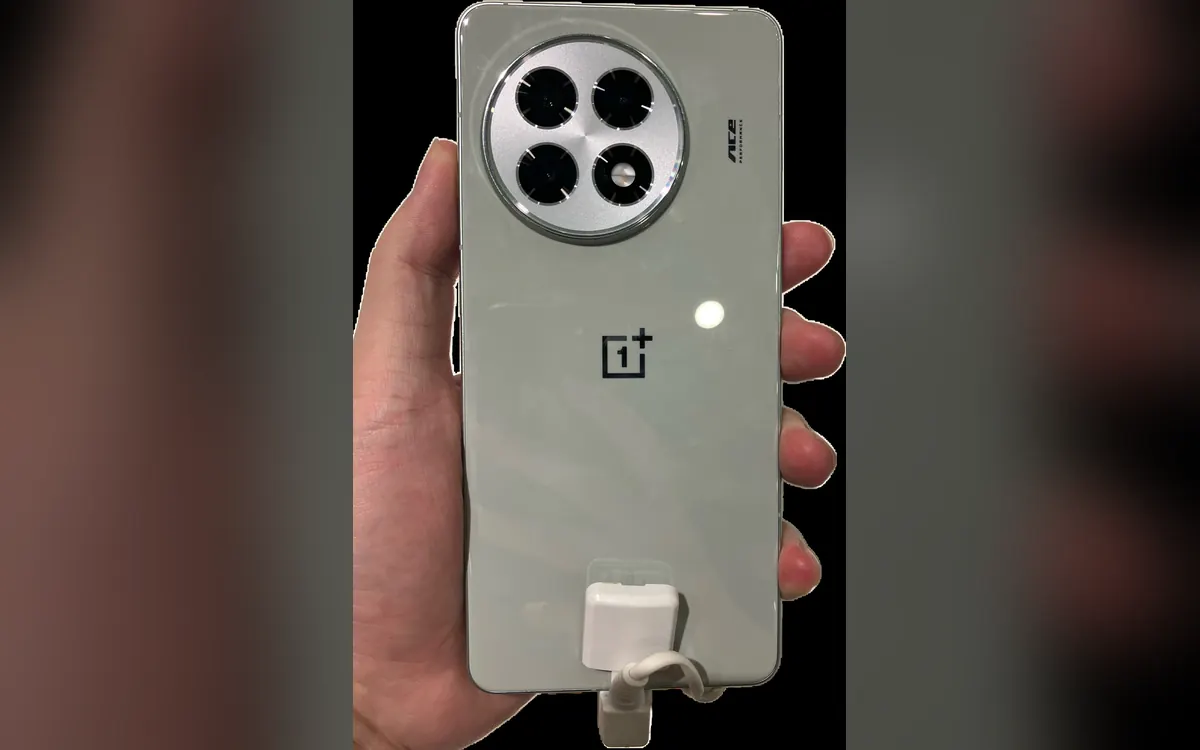
OnePlus Ace 7's fan blows two ways to keep your hands cool
OnePlus says the Ace 7 series' built-in fan splits its airflow between the chip and the back panel and keeps hot air off your fingers. Why that detail matters.

Switch Sports Resort lands Oct 22: what's in all 12 sports
The Switch 2 exclusive Switch Sports Resort arrives on 22 October with 12 motion-control sports on Wuhu Island, including Skateboarding and Thumb Wrestling.

UGREEN ID500 Pro is a Matter camera that records locally
UGREEN's 4K pan-tilt ID500 Pro streams and moves over Matter 1.5.1 and records to its new HomeAgent hub. Early-bird prices, what it needs and when it ships.