ESA's Sawa nanosatellite will measure how space weather swells the atmosphere
ESA unveiled the patch for Sawa, a Polish-built space weather nanosatellite due to launch in 2029. It will measure the thermosphere directly, because that layer expands during solar storms and drags satellites off course.

On this page
On 12 October in Warsaw, the European Space Agency unveiled the mission patch for Sawa, its second space weather nanosatellite. ESA also celebrated the contract with the Polish prime contractor Creotech.
What Sawa will do
Sawa will fly through the thermosphere and measure it directly. During space weather events this upper layer of the atmosphere heats up and expands, which increases drag on satellites and space debris and changes their orbits. Sawa will also measure Earth's magnetic field. Its data will go into ESA's space weather alerts and forecasting tools.
The name
Sawa is the mermaid of the Vistula River who, in a Warsaw founding legend, becomes the city's guardian. The name suits a mission meant to protect infrastructure.
Timeline
- Built by Creotech in Poland.
- Launch planned for 2029.
- Data will start flowing a few months later through the ESA Space Weather Portal.
Sawa will work alongside ESA's Swing and Aurora-D missions. If they succeed, ESA wants to expand them into constellations so it can measure space weather around the whole planet at once.
Source: ESA — https://www.esa.int/Space_Safety/Space_weather/Space_weather_mission_Sawa_reveals_Polish_roots
Keep reading
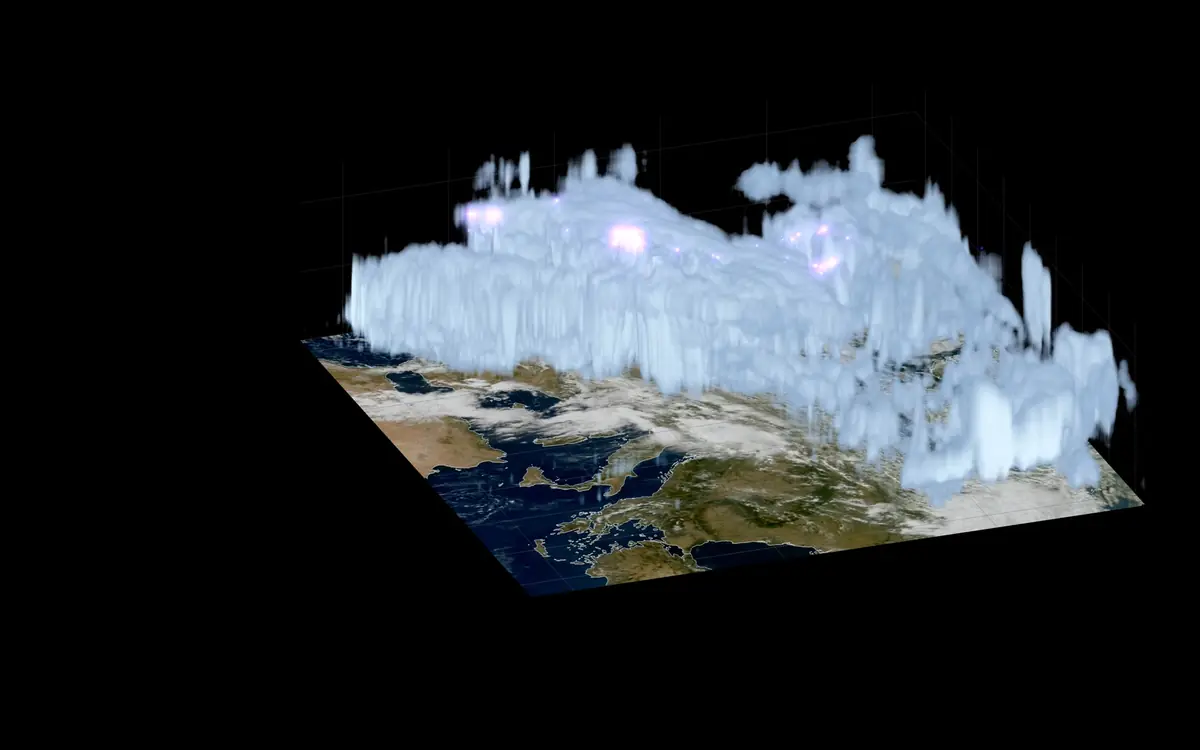
Europe’s first geostationary sounder, Meteosat-13, enters service
EUMETSAT’s MTG Infrared Sounder is now operational. Every 30 minutes it profiles temperature, humidity and gases to support earlier severe-weather warnings.
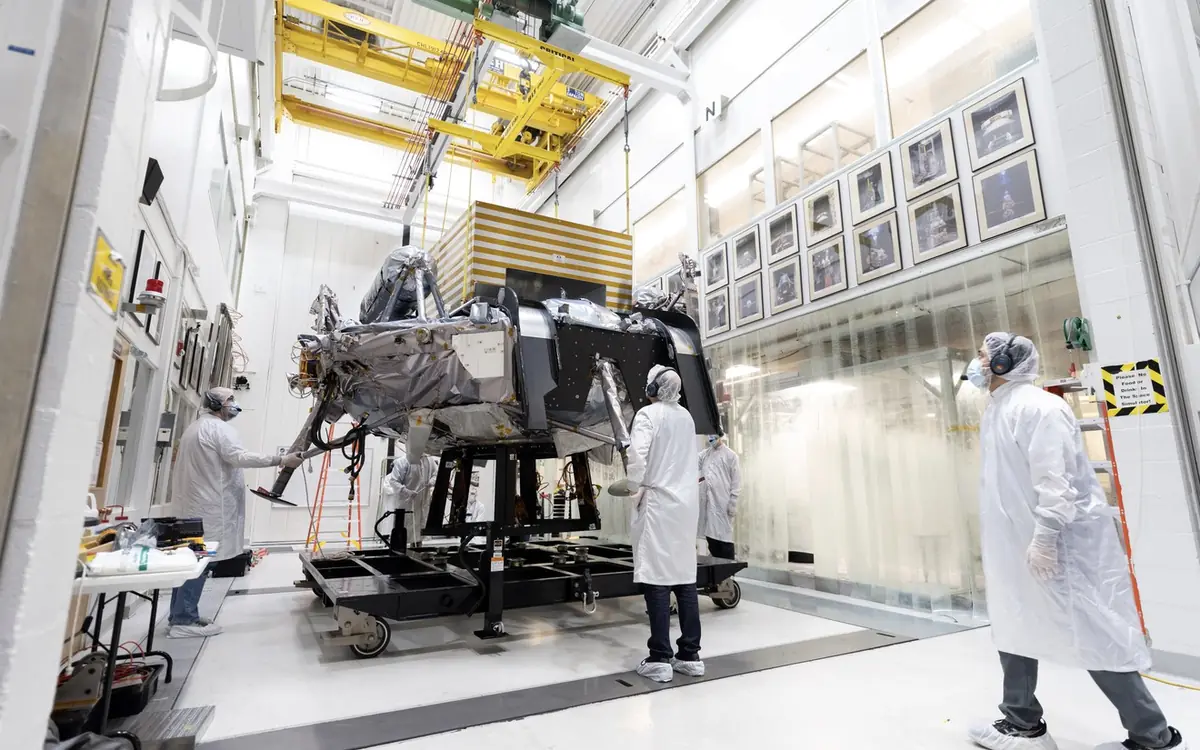
Griffin-1 Moon lander passes its JPL tests ahead of a Falcon Heavy launch
Voyager Technologies' lander was shaken, spun, baked and frozen at JPL. It will carry more than 455 kg of cargo, including Astrolab's FLIP rover, to Nobile Crater near the lunar south pole.

ESA astronaut Sophie Adenot is back in Europe after a record 237-day ISS mission
Adenot landed in Cologne on 10 October after Crew-12 splashdown; her εpsilon flight set a European single-mission duration record and included three spacewalks.