Starlink Mobile wants 80,000 cell sites; carriers push back
SpaceX is reportedly seeking access to at least 80,000 US cell sites for Starlink Mobile, while Verizon, AT&T and T-Mobile lobby the FCC ahead of an Oct. 29 vote.
LandGadget Newsroom · · 3 min read
On this page
SpaceX's plan to turn Starlink Mobile into a full phone carrier is moving from satellites to the ground. According to a Bloomberg report summarised by Notebookcheck, the company wants access to at least 80,000 cell sites in the US, while Verizon, AT&T and T-Mobile are lobbying regulators to slow it down.
Towers, home dishes and spectrum
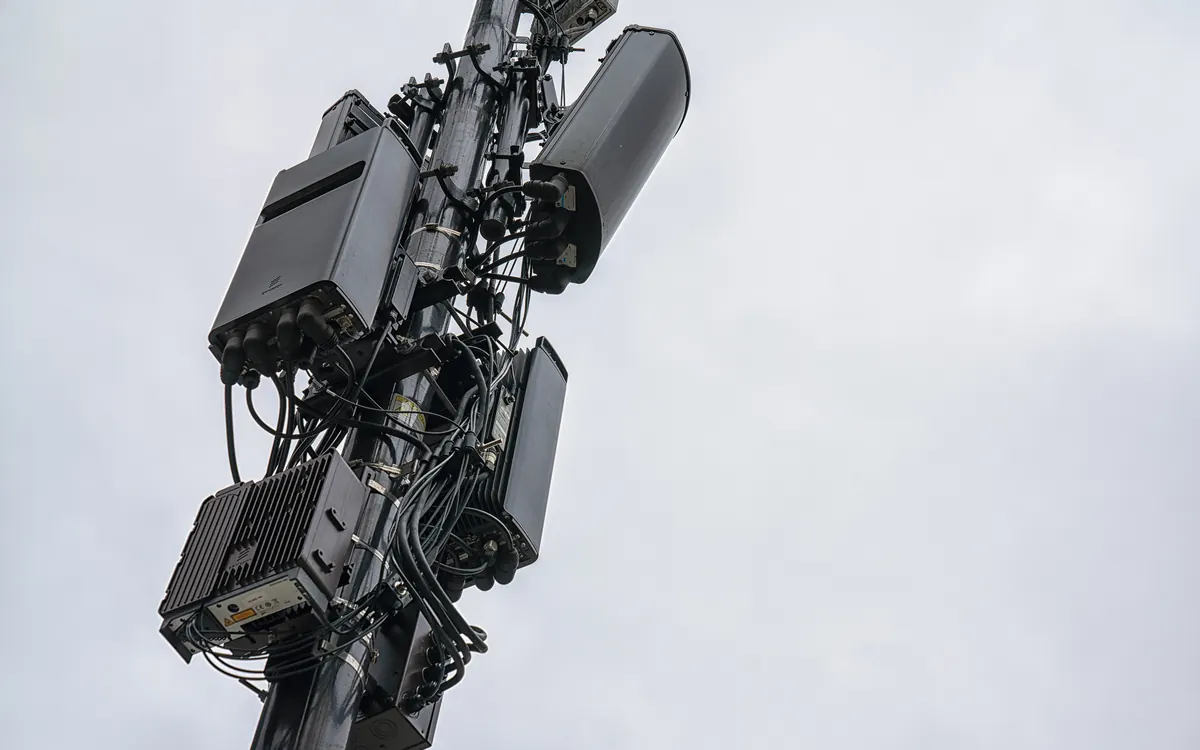
Tower owner Crown Castle is among the companies SpaceX is reportedly talking to. Its CEO did not confirm details, saying only that Crown Castle talks to all parties, including Amazon and other satellite providers. Investors took the report seriously: Crown Castle shares jumped as much as 10%, while AT&T and T-Mobile each closed nearly 8% lower.
SpaceX had already said it would use Starlink home internet kits to send out mobile signals around customers' homes, a small-cell idea it has pitched before. Analysts point out the obvious gap: those dishes sit where subscribers live, not necessarily where a network needs coverage. Leasing space on existing towers would fill in the rest.
The ground network adds to two earlier moves. On October 6 the FCC cleared 15,000 direct-to-phone satellites, and SpaceX agreed to buy 800 MHz low-band spectrum from Grain Management in a deal valued at about $8 billion. Low-band airwaves get through walls far better than the frequencies used for satellite links. On SpaceX's earnings call, Elon Musk said the satellites and spectrum will make Starlink Mobile a "major mobile carrier".
What the carriers want from the FCC
The FCC votes on October 29 on updated direct-to-cell rules that would open another 482 MHz to satellites. The wireless lobby group CTIA, whose members include Verizon, T-Mobile and AT&T, wants satellites kept off the 2.5 GHz and 3.45 GHz bands. It also wants carriers to be able to approve and end spectrum leases, and it wants satellite operators held to the same performance and consumer protection standards as terrestrial networks. The letter doesn't name SpaceX, but the target is clear. The big three have also set up their own satellite joint venture.
The sceptics have technical arguments too. T-Mobile's CFO reportedly estimated it would take around a billion small cells to match outdoor tower coverage, and small cells struggle with walls and car glass.
What it means for your phone
Nothing changes yet. SpaceX has published no prices and no coverage map, and its CFO has reportedly moved the US launch to the first half of 2028, later than the 2027 target. If it does launch, the US would get a fourth national carrier, a role Dish was meant to fill before EchoStar sold its spectrum to AT&T and SpaceX in 2025.
Europe is on a similar path: operators there recently made a joint bid for satellite direct-to-device spectrum. If you plan to switch carriers when new options arrive, our guide to eSIM explains how to move your number without a physical card.
Frequently asked questions
When will Starlink Mobile launch in the US?
SpaceX has not given a date. Its CFO has reportedly pushed the US launch to the first half of 2028 instead of 2027, and there is no published pricing or coverage map yet.
Why are Verizon, AT&T and T-Mobile pushing back?
Through the CTIA lobby group they want satellites kept off the 2.5 GHz and 3.45 GHz bands, a say over spectrum leases and the same performance and consumer rules for satellite operators as for carriers.
More from Smartphones
View all →Read next

NASA's PACE satellite tracks fall foliage colour worldwide
NASA's PACE satellite maps fall leaf colour across the planet every day or two. How its hyperspectral OCI sensor sees reds and yellows, and how you can help.
Lidar vs cameras for self-driving cars: which is better?
Lidar vs cameras vs radar: how each self-driving sensor works, why Tesla uses cameras only while Waymo, Mercedes and the Rivian R2 add lidar, and what it means.
Dispatch hits iPhone and Android Dec 9, four episodes free
AdHoc Studio's superhero comedy Dispatch launches on iOS, Android and Google Play Games on PC on December 9: first four episodes free, full game $19.99.