Orionid meteor shower 2026: how to watch the Oct 21–22 peak
The Orionids, debris from Halley's Comet, peak on the night of Oct 21–22. A bright Moon will interfere, so the best view comes before dawn after moonset.
LandGadget Newsroom · · 4 min read
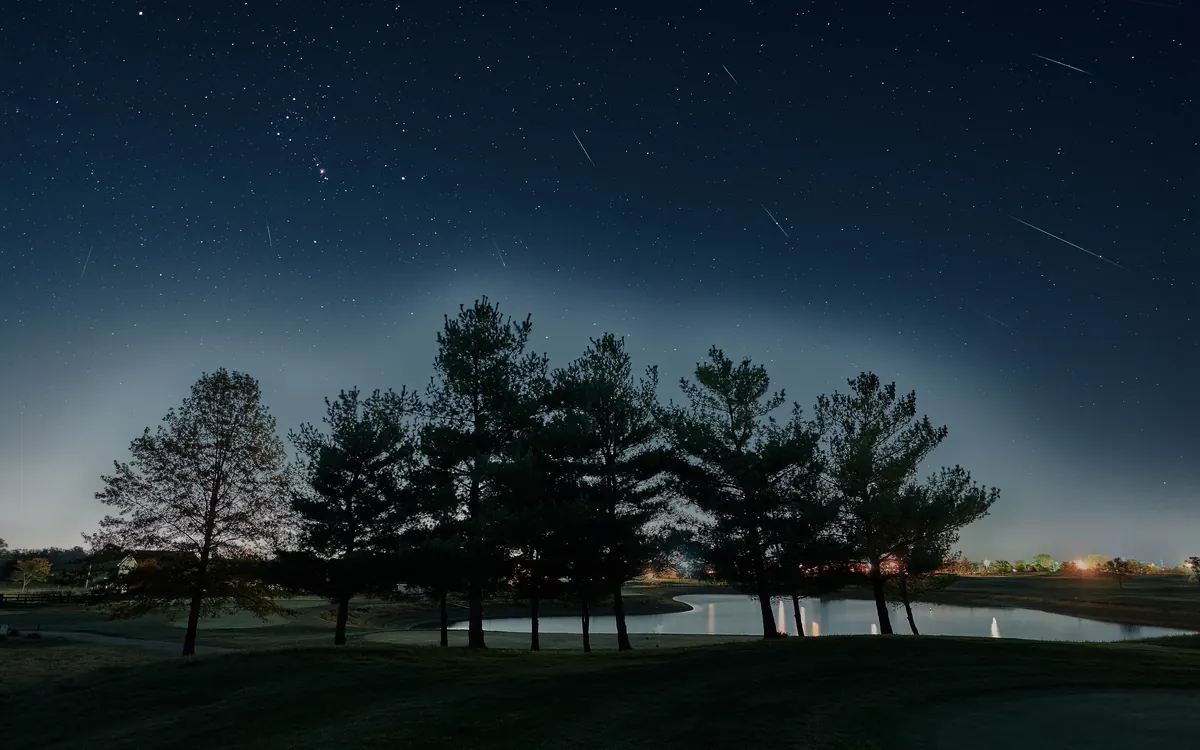
One of autumn's prettiest meteor showers peaks next week. According to NASA and the American Meteor Society, the Orionids reach their maximum on the night of 21–22 October 2026. This year the Moon will get in the way for part of the night, so timing matters.
What are the Orionids?
Meteors are tiny bits of comet or asteroid debris burning up in Earth's atmosphere. The Orionids come from Comet 1P/Halley: each time Halley swings through the inner solar system it sheds dust, and every October Earth passes through that trail.
They're named after the constellation Orion because their radiant, the point they appear to fly from, lies just north of the bright star Betelgeuse. NASA describes them as some of the most beautiful meteors of the year.
How many meteors to expect
- Typical rate: about 10–20 meteors per hour at the peak under dark skies, according to NASA and the AMS.
- Speed: around 66 km/s (41 miles per second). Fast meteors can leave glowing trains that hang in the sky for seconds or even minutes, and some become fireballs.
- Good and bad years: the AMS notes that in exceptional years such as 2006–2009 the Orionids produced 50–75 meteors per hour, while recent displays have been low to average.
The shower is active from 2 October to 7 November, so you can catch a few meteors on nights around the peak too.
The Moon problem in 2026
On peak night the Moon is waxing gibbous, about 74% lit (AMS), and its glare will wash out fainter meteors while it's up. NASA's advice for October is to look before dawn, after moonset.
By our calculation, on the morning of 22 October the Moon sets at about 02:45 in Kyiv (EEST), 02:50 in London and 03:10 in New York, with astronomical dawn around 05:40 local time in all three. That leaves a dark window of roughly three hours before first light. Check a local moonset time if you're elsewhere.
How to watch
NASA's tips work in both hemispheres:
- Get away from lights. Find a spot well away from city and street lighting.
- Get comfortable. Bring a blanket, sleeping bag or reclining chair.
- Face the right way. Lie on your back with your feet towards the southeast in the Northern Hemisphere (northeast in the Southern Hemisphere) and take in as much sky as possible. Meteors can appear anywhere, not only near Orion.
- Be patient. Within about 30 minutes in the dark your eyes adapt. Keep your phone screen off or dimmed.
You don't need a telescope or binoculars: they show too little sky, though they're great for exploring the Moon and star clusters on other nights (see how to choose binoculars for stargazing). If you want to try capturing a meteor, our guide to night-sky photography with a phone covers settings and stabilisation. If the shower sparks a bigger interest, see how to choose a beginner telescope for planets and the Moon.
Frequently asked questions
When is the best time to see the Orionids in 2026?
The peak is the night of 21–22 October. The best window is after moonset and before dawn on 22 October, roughly from 02:45 to 05:40 in Kyiv or London and 03:10 to 05:40 in New York.
Where should I look?
Look at a wide area of sky rather than at Orion itself. In the Northern Hemisphere NASA suggests lying back with your feet facing southeast.
Can I see the Orionids from the city?
Only the brightest ones. Light pollution and this year's moonlight cut the count sharply, so a dark rural spot makes a big difference.
More from Science & Space
View all →Read next
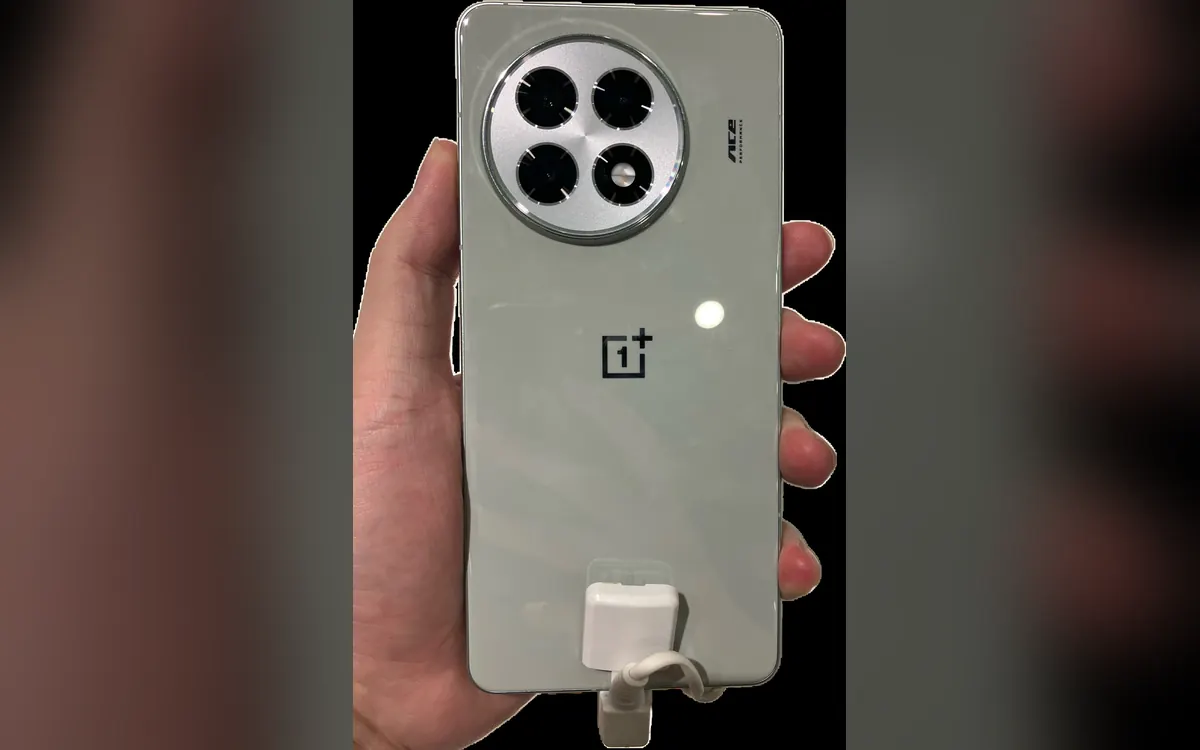
OnePlus Ace 7's fan blows two ways to keep your hands cool
OnePlus says the Ace 7 series' built-in fan splits its airflow between the chip and the back panel and keeps hot air off your fingers. Why that detail matters.

Switch Sports Resort lands Oct 22: what's in all 12 sports
The Switch 2 exclusive Switch Sports Resort arrives on 22 October with 12 motion-control sports on Wuhu Island, including Skateboarding and Thumb Wrestling.
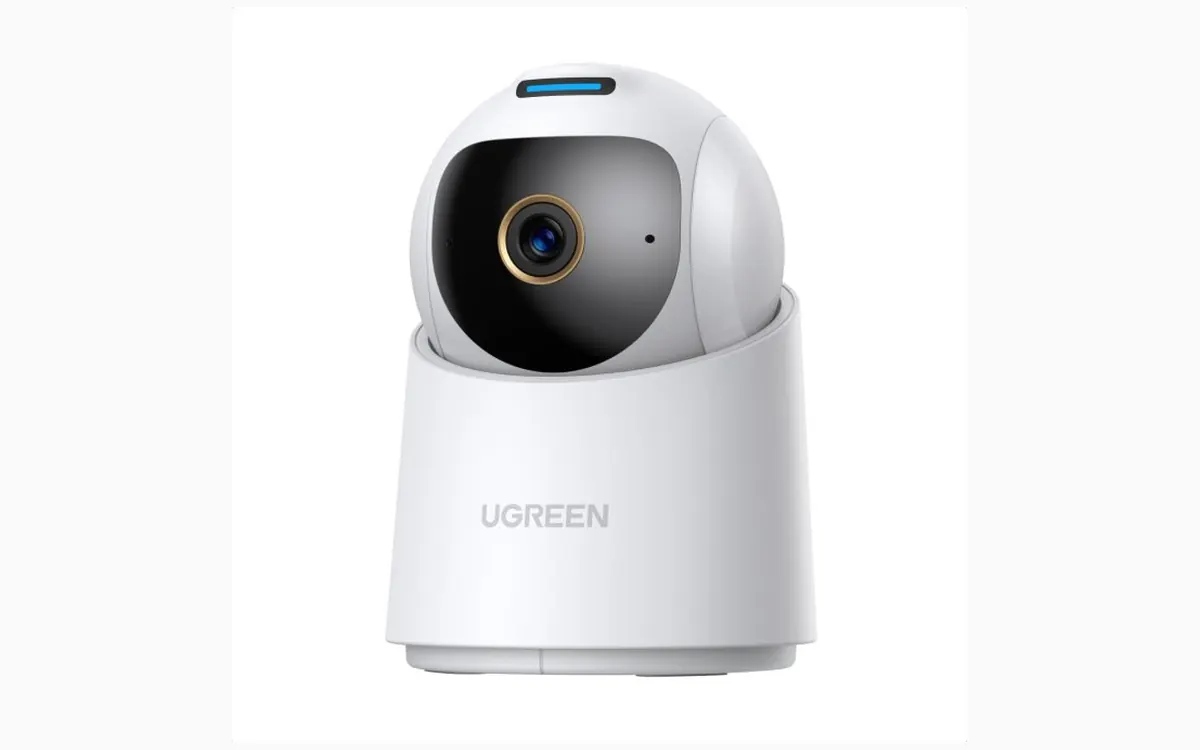
UGREEN ID500 Pro is a Matter camera that records locally
UGREEN's 4K pan-tilt ID500 Pro streams and moves over Matter 1.5.1 and records to its new HomeAgent hub. Early-bird prices, what it needs and when it ships.