Korea books 80 Tesla drivers over illegal FSD unlock devices
Seoul police booked 80 people and seized 21 aftermarket modules used to switch on Tesla FSD in Model 3 and Model Y cars that can't legally run it in South Korea.
LandGadget Newsroom · · 3 min read
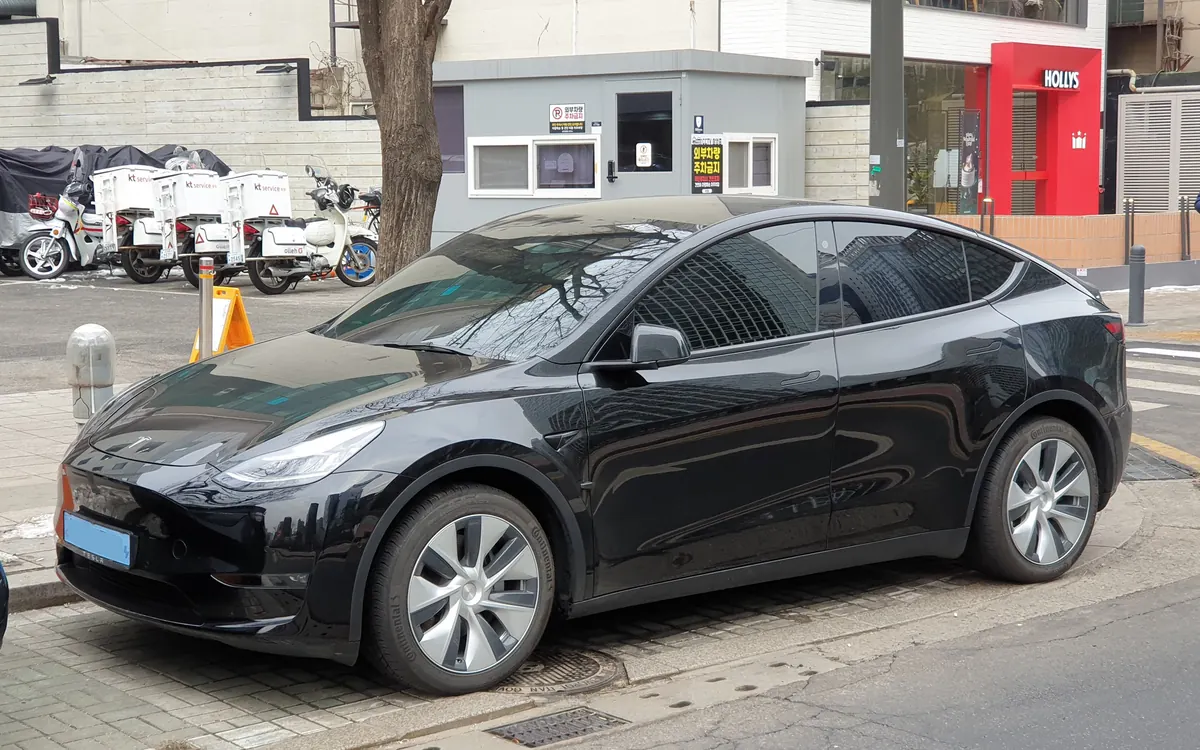
South Korea has carried out its biggest crackdown yet on Tesla "FSD jailbreak" hardware. The Seoul Metropolitan Police Agency said on Tuesday that it has booked 80 people for using aftermarket devices to switch on Full Self-Driving (Supervised) in cars that are not allowed to run it in the country, and seized 21 of the devices, Electrek reports.
How the unlock worked
According to the police, the suspects either imported unlock modules from Europe and China or built their own. One driver fitted a European-made unit to his own Tesla; another, an IT worker, made a device using information he found on GitHub. The modules plug into the car's CAN bus and get around Tesla's regional software lock, which is possible because the hardware is the same in cars that can and cannot legally use FSD.
The suspects also shared tips online on how to activate FSD and how to stop the car from keeping a record that it had been switched on.
The charges
They are charged under Korea's Motor Vehicle Management Act, which bans unauthorised software changes that can affect a vehicle's safety. The maximum penalty is two years in prison or a fine of up to 20 million won (about $15,000).
The case began in April, when the Ministry of Land, Infrastructure and Transport asked police to investigate after spotting signs of unauthorised activation. A police official told Korea JoongAng Daily that "safety risks were confirmed", including the chance of FSD misreading driving conditions. The investigation continues, with the ministry and the Korea Transportation Safety Authority advising on the technical side.
Why most Korean Teslas can't use FSD
Tesla launched FSD (Supervised) in South Korea in late 2025, but only for US-built cars: Model S, Model X and Cybertruck. Those are exempt from Korean safety certification under the Korea–US free trade agreement. The Model 3 and Model Y, which Tesla ships from Giga Shanghai, have not cleared Korean safety standards for the feature, and they make up most of the fleet.
Estimates of how many cars qualify differ. Citing Carisyou Data Lab, Korea JoongAng Daily says 47,458 of 229,311 Teslas on Korean roads in August (20.7%) could legally use FSD. Government data released in May by lawmaker Park Yong-gap counted just 4,292 of 180,684 (2.4%). Either way, most Korean owners cannot legally use it, even though some paid for the option.
Tesla has fought the devices too. Since April it has been remotely detecting unlock modules and removing FSD from affected cars, warning owners they would be fully liable for any crash and could lose warranty cover.
Remember that FSD (Supervised) is a driver-assistance system that needs constant attention, not a self-driving car. Our explainer on the levels of self-driving shows where it sits, and our report on a crash in which a driver fell asleep using FSD shows why the "supervised" part matters. For what Tesla's software actually changes from update to update, see our coverage of the latest FSD and Halloween update.
More from Cars & EVs
View all →Read next
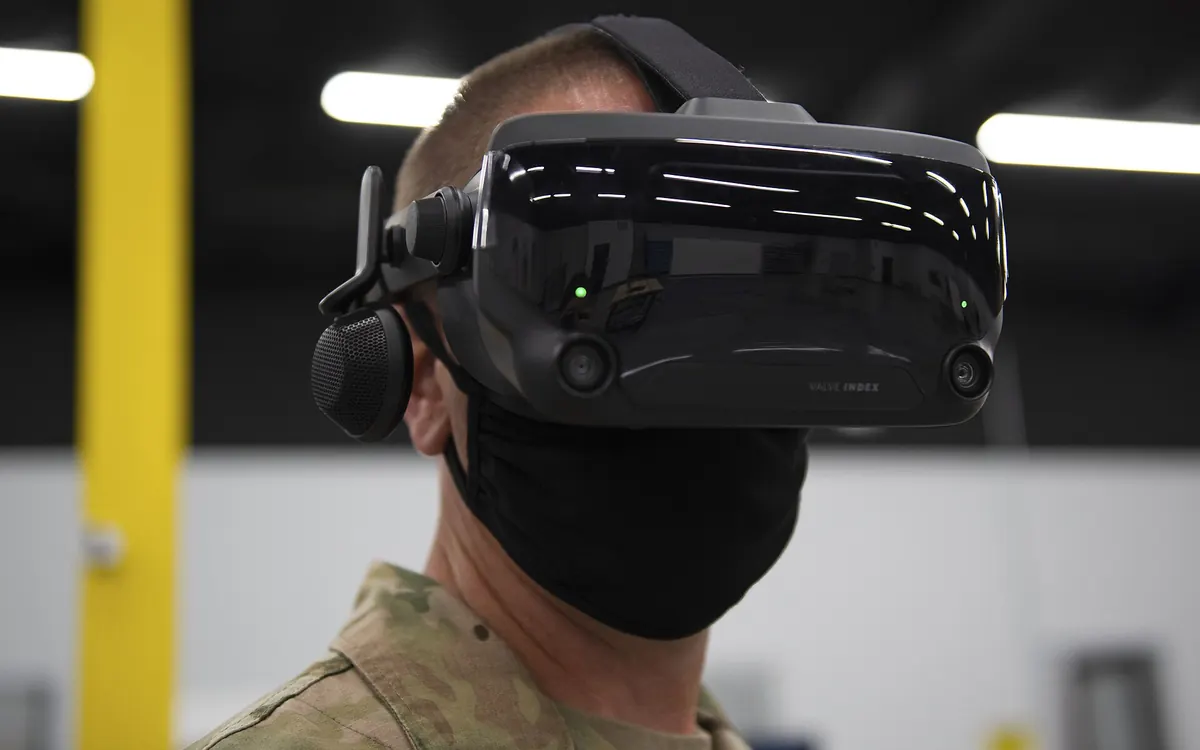
Half-Life: Alyx adds foveated rendering on PC: which GPUs work
Valve's new Half-Life: Alyx patch adds a foveated rendering option on PC. It needs Nvidia GTX 16 or RTX 20 series or newer, AMD via Vulkan, and works best with eye tracking.
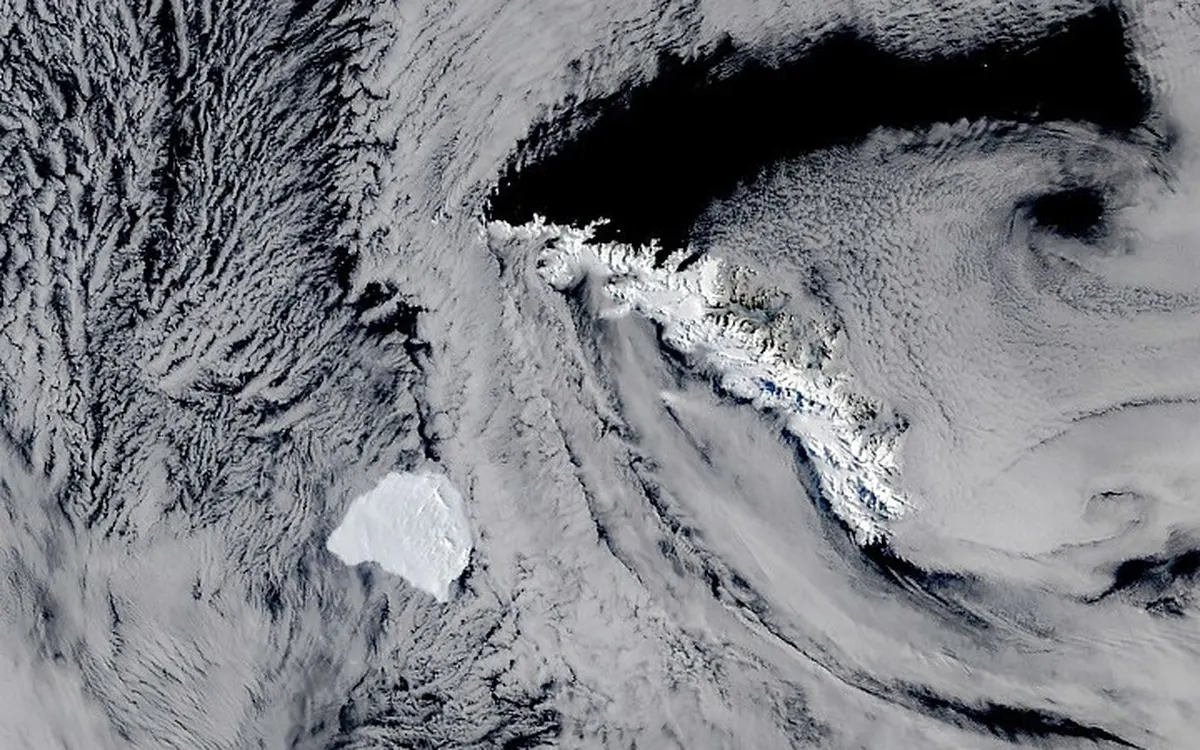
Iceberg A-81 reaches South Georgia after a 3-year drift
NASA satellite images show Antarctic iceberg A-81, about 1,550 km² of ice from the Brunt Ice Shelf, slowing at South Georgia's undersea shelf. Its route and why it matters.
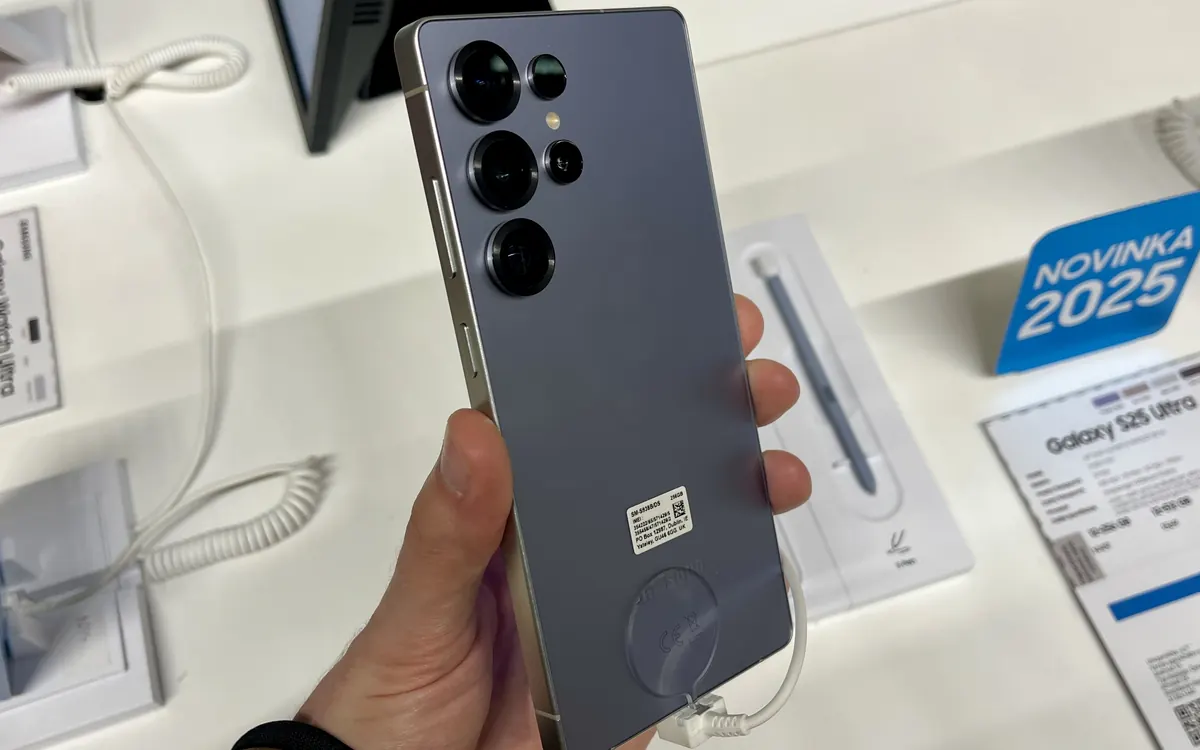
Samsung Community goes offline for 72 hours: back up first
Samsung Community shuts for 72 hours from October 30 for an overhaul. DMs, drafts, bookmarks and subscriptions won't migrate. What to save and what changes after.