Self-driving levels explained: SAE Level 0 to 5
What SAE Levels 0–5 mean, why Tesla FSD, Super Cruise and Rivian are still Level 2, what Level 3 and robotaxis change, and who is responsible at each level.
LandGadget Newsroom · · 7 min read
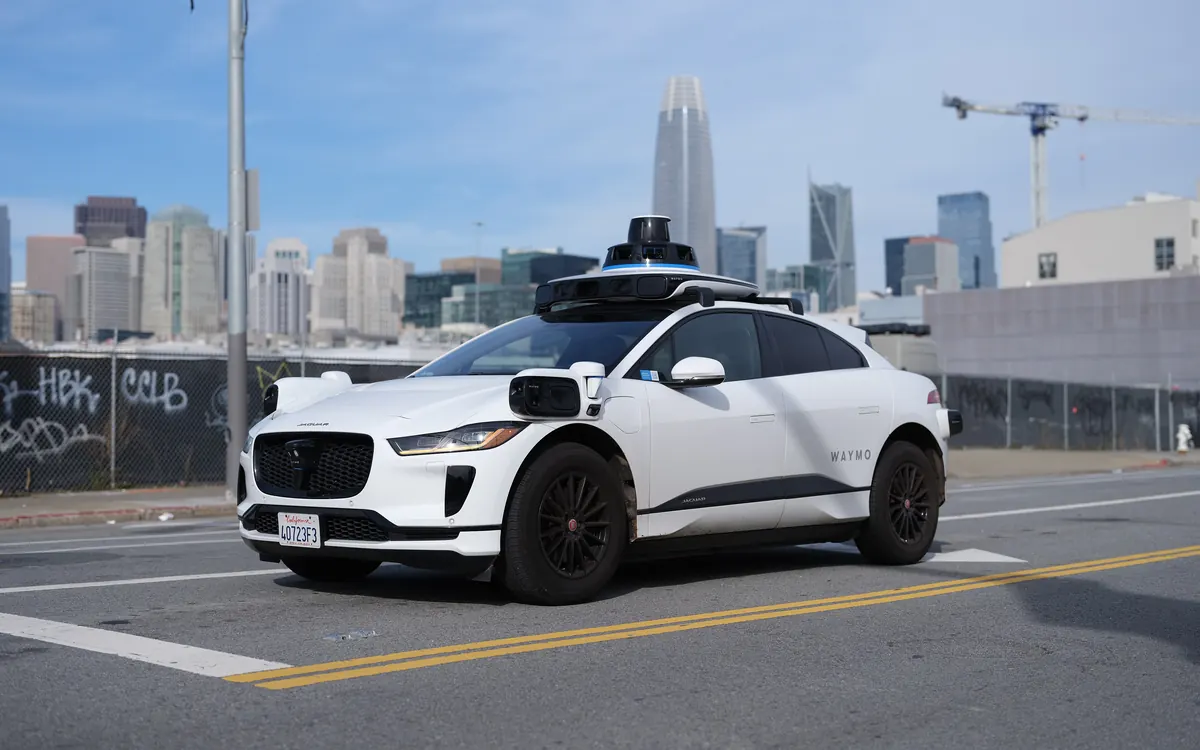
"Self-driving" is one of the most stretched terms in the car world. A car with lane centring, a hands-free highway system and a Waymo robotaxi are all described that way somewhere, yet they ask completely different things of the person in the driver's seat. The clearest way to tell them apart is the SAE levels of driving automation.
Where the levels come from
The levels are defined in SAE J3016, a standard from SAE International, the engineering body behind many car standards. It was first published in 2014 and last revised in 2021 together with ISO. Regulators and carmakers use it as a shared vocabulary. SAE groups the six levels into two families:
- Levels 0–2: driver support features. You are driving, even when the car is steering and braking.
- Levels 3–5: automated driving features. When the feature is engaged, the system is driving.
That split is the most important thing to remember. The jump from Level 2 to Level 3 is a change in who is responsible, not just a better feature.
Level 0: warnings and momentary help
The car can warn you or step in for a moment, but it never drives continuously. Examples include blind-spot warnings, lane departure warnings and automatic emergency braking. Even if AEB stops the car, that's Level 0, because it acts only briefly in an emergency.
Level 1: steering or speed
The car helps with either steering or speed, not both at once. Adaptive cruise control, which keeps a set gap to the car ahead, is the classic example. Lane-keeping assist that nudges you back on its own is another.
Level 2: steering and speed, you supervise
The car can steer, brake and accelerate at the same time, but you must supervise constantly and be ready to take over instantly. This is where nearly every advanced system on sale today sits, including:
- Tesla Autopilot and Full Self-Driving (Supervised). Despite the name, Tesla itself says FSD requires active driver supervision.
- GM Super Cruise and Ford BlueCruise, which allow hands-free driving on mapped highways while a camera checks that your eyes stay on the road.
- Rivian's Universal Hands-Free and its new Point to Point feature, which can follow a whole navigation route.
Some Level 2 systems now handle city streets, turns and merges, so they can feel like self-driving. Legally and practically, they are not. If the system misses something, it's on you, which is why crashes like the Tesla FSD case where a driver said he was asleep end up with the driver facing questions.
Level 3: the car drives, you stand by
At Level 3, the system drives within specific conditions, and while it's engaged you don't need to watch the road. You can read or watch a video on the car's screen. You must, however, stay able to take over when the car asks, within a few seconds.
Those conditions are called the operational design domain (ODD): the roads, speeds, weather and times of day the system is designed for. Level 3 ODDs are narrow today. Mercedes-Benz Drive Pilot is approved on certain motorways in Germany and in California and Nevada, at limited speeds, and BMW offers a Level 3 traffic-jam system in Germany on the 7 Series. In Europe, the UN regulation for such systems (ALKS, UN R157) sets the rules carmakers must meet.
Who pays if something goes wrong at Level 3 depends on national law and the carmaker's terms, and it is still being worked out in many countries.
Level 4: no driver needed, in a set area
A Level 4 vehicle drives itself completely inside its ODD and can handle problems on its own, for example by pulling over safely if something fails. Nobody needs to be ready to take over, and some Level 4 vehicles have no steering wheel at all.
Robotaxis are the main example. Waymo runs driverless rides in several US cities and is planning Madrid for 2027. The limitation is geography: outside its mapped service area, a Level 4 car won't drive itself.
Regulators are now thinking about how other road users can tell when a car is driving itself. The US safety agency NHTSA has proposed cyan marker lamps for automated vehicles, and China has drafted rules for turquoise lights.
Level 5: drives anywhere
Level 5 means the car can drive anywhere a human could, in any conditions, with no ODD limits. No such vehicle exists, and no carmaker has a credible date for one.
The levels at a glance
| Level | Who drives | Must you watch the road? | Examples |
|---|---|---|---|
| 0 | You | Yes | AEB, blind-spot warning |
| 1 | You, with help on steering or speed | Yes | Adaptive cruise control |
| 2 | You, car steers and brakes | Yes, at all times | Tesla FSD (Supervised), Super Cruise, BlueCruise |
| 3 | Car, in set conditions | No, but take over when asked | Mercedes Drive Pilot |
| 4 | Car, inside its area | No one needs to | Waymo robotaxis |
| 5 | Car, everywhere | No one needs to | None exist |
How to read carmaker marketing
Brand names like "Autopilot", "Pilot Assist", "ProPilot" or "Full Self-Driving" don't tell you the level. When you're comparing cars, ask:
- Does the manual say I must supervise at all times? If yes, it's Level 2 or below.
- Where does it work? Highways only, mapped roads, or city streets.
- Hands-free or hands-on? And does it use a camera to watch your eyes?
- Is it a subscription? Many advanced systems now cost extra each month.
A good dash cam is still worth having whatever level your car offers, because it records what happened if there's a dispute.
Frequently asked questions
What level is Tesla Full Self-Driving?
Level 2. Tesla calls it Full Self-Driving (Supervised) and requires the driver to watch the road and be ready to take over at all times.
Is there a Level 3 car I can buy?
Yes, in limited markets. Mercedes-Benz Drive Pilot is approved on certain roads in Germany and in California and Nevada at limited speeds, and BMW offers a Level 3 system in Germany. Outside those conditions they work as Level 2 or below.
Is hands-free driving the same as self-driving?
No. Hands-free systems such as Super Cruise and BlueCruise are Level 2. You can take your hands off the wheel on approved roads, but you must keep your eyes on the road.
What is the difference between Level 4 and Level 5?
A Level 4 vehicle drives itself without a human but only within a defined area and conditions. Level 5 would work anywhere in any conditions, and no Level 5 vehicle exists.
Who is responsible in a crash with driver assistance on?
At Levels 0–2 the driver is responsible. At Level 3 and above, responsibility while the system is engaged depends on national law and the manufacturer's terms, which are still evolving.
More from Cars & EVs
View all →Read next
NASA's new Artemis plan: Earth-orbit test, landing in 2028
Artemis III becomes a 2027 Earth-orbit test with both commercial landers, and the first crewed landing moves to 2028 with whichever lander is ready first.
RTX Remix 1.6 adds DLSS 5, Minecraft beta and Windows on Arm
NVIDIA's RTX Remix 1.6 brings DLSS 5 neural rendering, up to 6x Multi Frame Generation, a Minecraft Java beta mod and Arm support for Portal RTX and more.
Steam Personal Calendar leaves Labs: release dates for you
Steam's Personal Calendar is now a full feature: an 8-week list of upcoming releases picked from your playtime, with wishlist, DLC and Early Access filters.