GM to pay $220 million over drivers' data sold to insurers
36 US attorneys general say GM sold Smart Driver data to brokers who passed it to insurers. GM will pay $220 million and must now ask drivers for consent first.
LandGadget Newsroom · · 3 min read
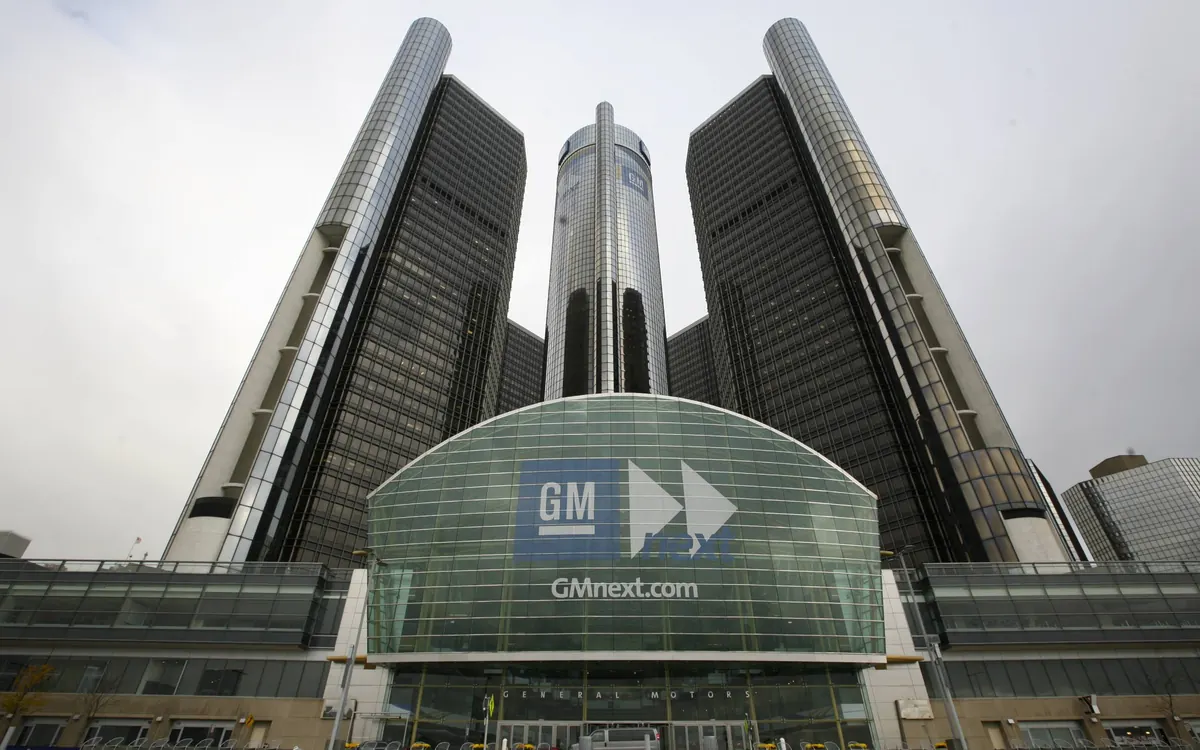
General Motors has agreed to pay $220 million to settle claims that it sold drivers' private driving and location data without telling them. The settlement was announced on 29 October by a bipartisan coalition of 36 US attorneys general, led by Washington and Oregon.
What the states say GM did
According to the attorneys general, GM enrolled millions of drivers in its Smart Driver programme between 2016 and 2024. The feature tracked how often a car was driven, when each trip started and ended, how often the driver braked or accelerated hard, and whether they went over the speed limit. GM presented it as a tool to help people drive more safely and said it would not share the data with insurers without express consent.
The investigation found that GM instead sold the data to data brokers under contracts that said it would be used for insurance products. The brokers then sold it to insurance companies, which could use it to change premiums. New York's attorney general cites a New York Times investigation in which one GM owner was told that a 22% increase in their premium was caused by driving data from a broker.
Three details from the case stand out:
- Dealer sign-ups. Most drivers were enrolled at the dealership through a single sign-up for Smart Driver and OnStar. The states say staff often accepted the terms on customers' behalf, and that dealer employees earned bonuses partly based on how many buyers they signed up.
- A wrong app status. The OnStar app told more than 370,000 drivers they were not enrolled in Smart Driver while GM was collecting and selling their data. GM later unenrolled them without telling them, and the data stayed with brokers and insurers.
- The programme is gone. GM dropped Smart Driver after the Times reported on it.
What changes now
Beyond the payment, GM must get affirmative express consent before it collects or shares driving and location data, limit the data it collects, and run internal and third-party privacy assessments. It must also train and oversee dealers so customers are not signed up for data collection without agreeing. Washington says it will receive $12.3 million and New York more than $12 million from the settlement.
What drivers can do
Modern cars are connected devices, and the same habits that protect your privacy on a phone or TV apply to them. Read the connected-services terms before you sign at the dealer. Check your car's app for data-sharing settings, and you can ask the main US consumer data brokers for a copy of the report they hold on you. If you want to tighten privacy elsewhere at home, our guide on how to turn off smart TV tracking and our robot vacuum privacy guide walk through the settings step by step.
More from Cars & EVs
View all →Read next
Best Monitor Size for Gaming: 24 vs 27 vs 32 Inch
What monitor size is best for gaming? Compare 24, 27, 32-inch and ultrawide screens by resolution, pixel density, desk distance, GPU power and the games you play.
How to choose a laptop in 2026: a practical buying guide
How to choose a laptop in 2026: pick the right type, then CPU, RAM, storage, screen, battery and ports. Simple rules for students, work, gaming and creative use.
Smart plug buying guide: how to choose one in 2026
Smart plug buying guide: Matter vs Wi-Fi vs Thread, load ratings, energy monitoring, outdoor plugs, local control and what you should never plug in.