BYD Q3 profit jumps 28% on exports, but inventory climbs 60%
BYD's Q3 2026 net profit rose 28% to ¥10.02 billion as exports more than doubled, but inventory is up 60% this year and cash has fallen by almost half.
LandGadget Newsroom · · 3 min read
On this page
BYD has returned to profit growth. In its third-quarter report filed with the Hong Kong Stock Exchange on 29 October, China's largest EV maker said net profit rose 28.1% year on year to ¥10.02 billion for July–September, driven by a surge in exports, Electrek reports. The rest of the filing is less tidy.
Q3 2026 in numbers
- Revenue: ¥221.49 billion, up 13.6%. It is the first year-on-year revenue increase after four straight quarters of decline.
- Net profit: ¥10.02 billion, up 28.1%; ¥8.63 billion (+25.3%) excluding one-off items.
- Earnings per share: ¥1.10, up 29.4%.
It is BYD's best quarterly profit since late 2024 and a strong rebound from Q1, when profit fell 55% to ¥4.08 billion. It still missed expectations: brokerages surveyed by Reuters had forecast ¥11.4–12.95 billion. Over nine months, revenue was flat (+0.01%) at ¥566.30 billion and profit was down 4.2% at ¥22.34 billion.
Exports now carry the business
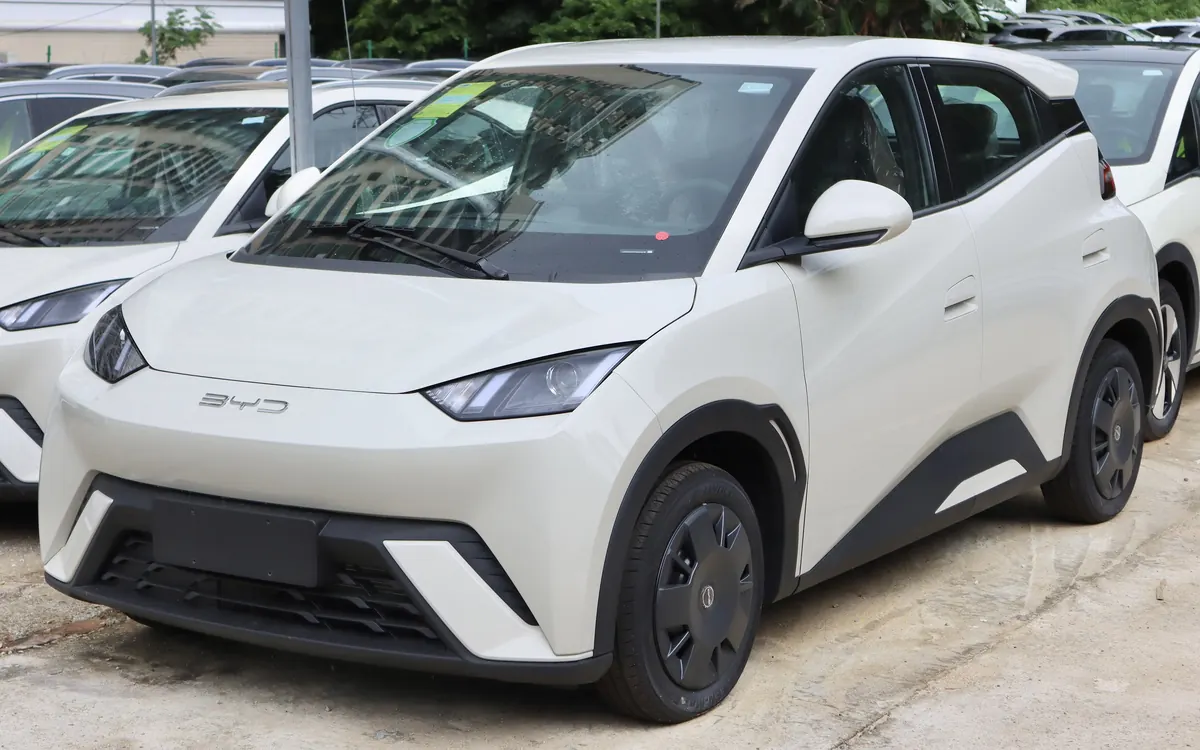
Based on BYD's monthly sales filings, the company sold 1,323,065 vehicles in Q3, up 18.7%. Exports reached 550,704, up 137% from a year earlier, while the rest, mostly sales in China, fell about 12% to roughly 772,000. Exports now make up 42% of BYD's sales. In China, the price war continues, with cheap models such as the second-generation Seagull putting pressure on margins.
The balance sheet looks stretched
Between 31 December 2025 and 30 September 2026, according to the filing:
- inventory rose 60% to ¥221.58 billion;
- trade receivables rose 53% to ¥56.47 billion;
- bills payable (short-term notes given to suppliers) more than tripled to ¥78.86 billion;
- cash plus trading securities fell 45% to ¥71.72 billion.
BYD attributes the inventory and receivables growth mainly to its overseas business, because cars spend longer on ships and at foreign dealers before they are paid for. Asset impairment losses, mostly inventory write-downs, rose 68% to ¥2.71 billion, and exchange losses produced ¥7.37 billion of finance expenses over nine months. R&D spending fell 17% to ¥36.28 billion, partly because more development costs were capitalised. On the positive side, operating cash flow grew 33% and customer prepayments rose 81%, which suggests healthy orders.
Why it matters for buyers
Strong exports mean more BYD models in Europe, Latin America and Asia, often at aggressive prices. Most use LFP cells; our LFP vs NMC battery explainer covers what that means for range and longevity. If you're not sure a full EV suits you, see hybrid vs plug-in hybrid vs EV.
More from Cars & EVs
View all →Read next
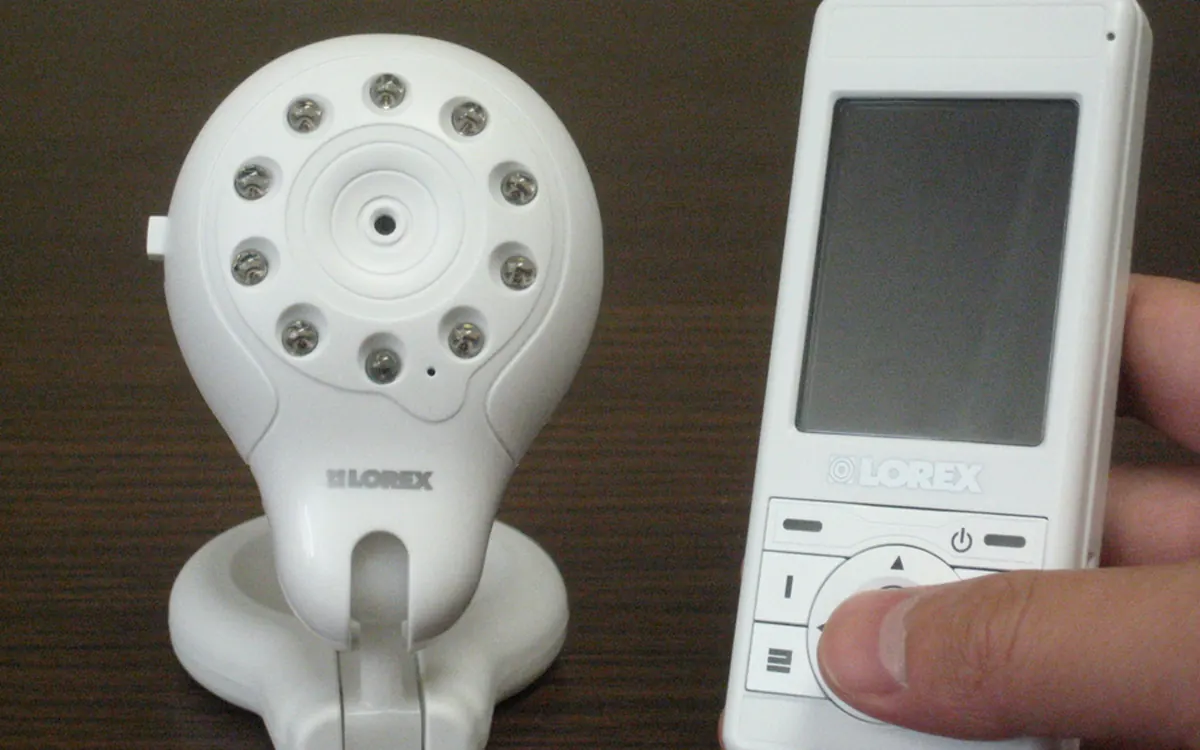
How to choose a baby monitor: Wi‑Fi vs non‑Wi‑Fi, security
Audio, local video or Wi‑Fi app monitor? How to choose a baby monitor by range, night vision, battery, privacy and security, plus the setup steps that matter.
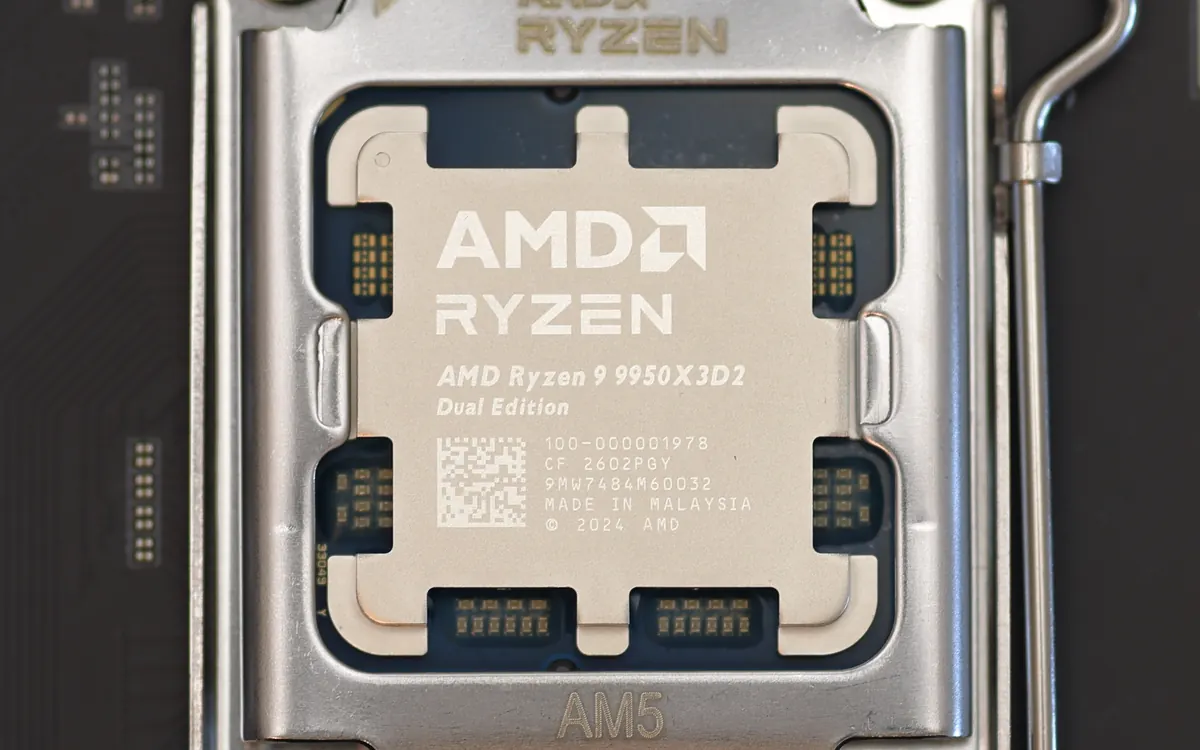
CPU vs GPU bottleneck explained: how to tell what's slowing your games
What a CPU or GPU bottleneck really is, how to spot one with a performance overlay, why resolution changes everything, and the fixes worth trying before you buy parts.
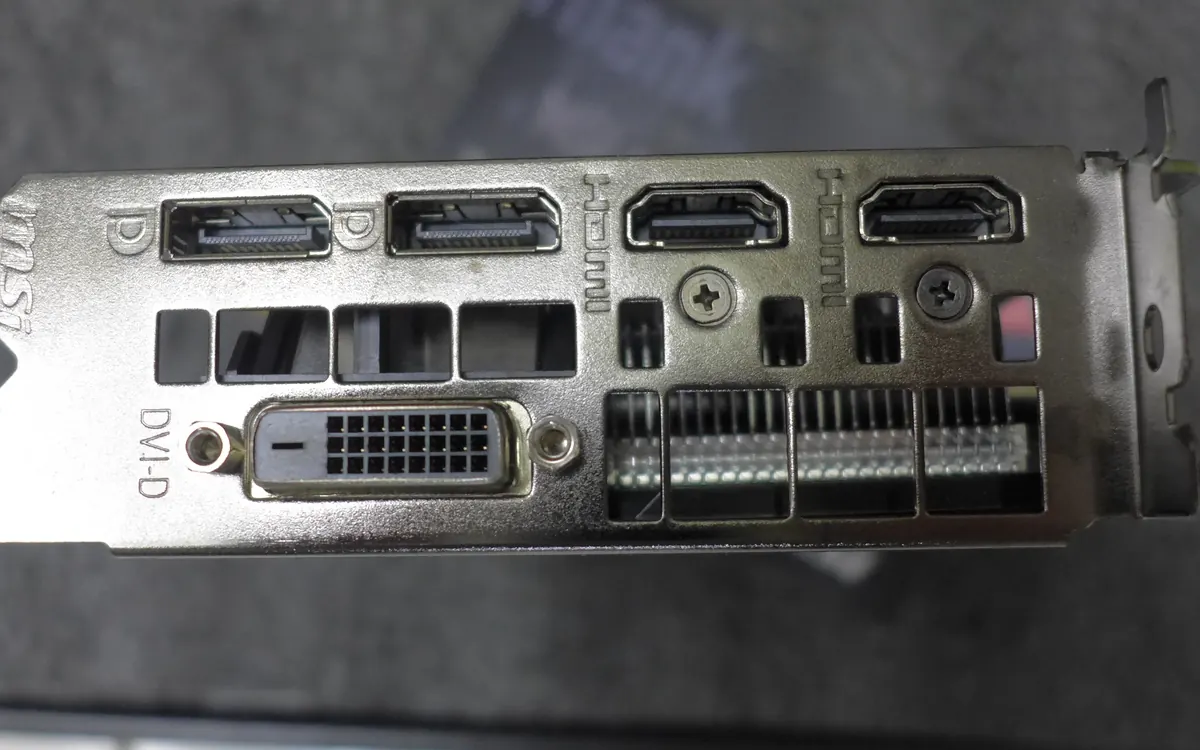
HDMI vs DisplayPort: which cable should you use in 2026?
HDMI vs DisplayPort explained: HDMI 2.1 and 2.2 vs DisplayPort 1.4 and 2.1 bandwidth, which to use for gaming monitors, TVs, consoles and laptops, plus cables.