Germany's EV share hits record 37% in October, beating gas and diesel combined
Battery-electric cars took 37% of new registrations in Germany in October, per KBA data: 94,086 BEVs, petrol down 40.5%. What is driving it and the year so far.
LandGadget Newsroom · · 2 min read
On this page
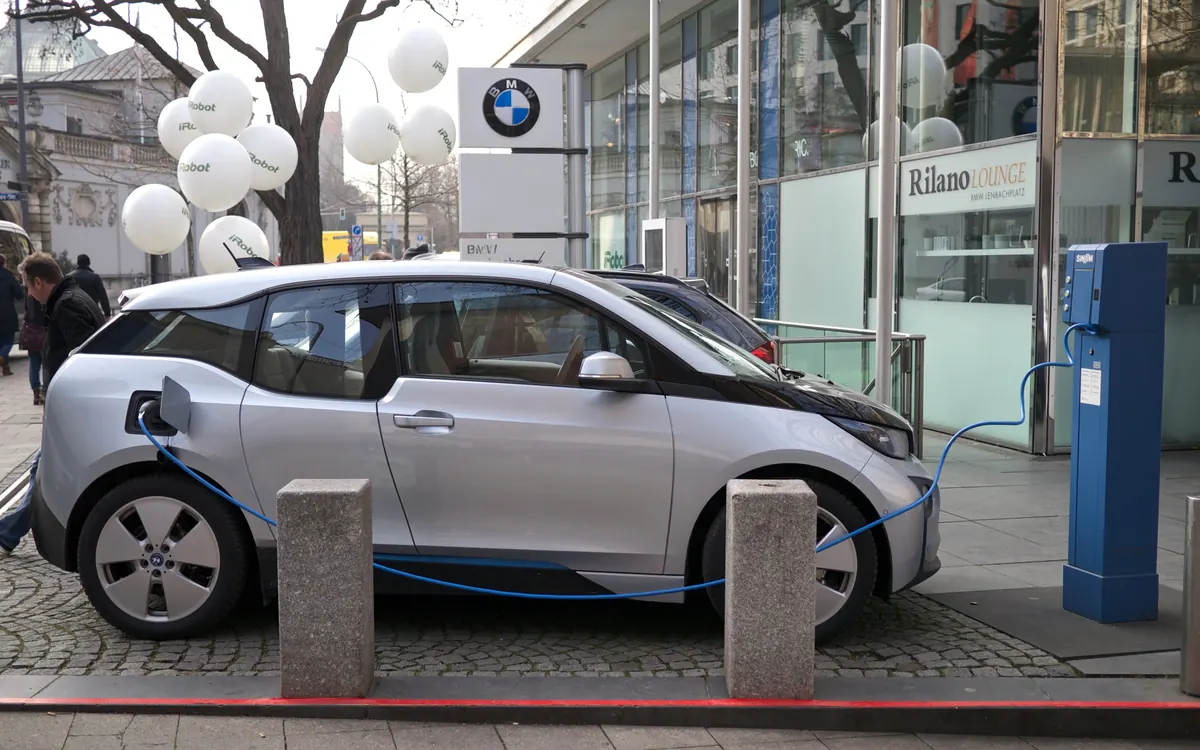
Fully electric cars took a record 37% of Germany's new-car market in October, according to data from the federal motor transport authority KBA, Electrek reports. That is 94,086 BEVs, up 79.5% from 52,425 a year earlier.
Combustion cars lose out
The total market grew just 1.7% to 254,492 cars, so EV growth came directly from combustion models. Petrol registrations fell 40.5% to 38,516 (15.1% share) and diesel 21.6% to 23,882 (9.4%). Combined, pure combustion cars made up 24.5% — and for the second month running, Germans registered more BEVs than petrol and diesel cars together. Plug-in hybrids slipped 7.9% to 28,499 (11.2%).
BEV share has climbed every month since overtaking other powertrains in June (28.4%): 32.4% in August, 34.5% in September and now 37%.
Already past the full-year forecast
From January to October Germany registered 698,230 BEVs, up 60.7%, about 28.2% of all new cars. That already beats the industry association VDA's forecast of about 693,000 for the whole of 2026; Electrek estimates the year could end near 875,000.
Why: a new incentive for private buyers
Germany's new subsidy, backdated to January 1, pays €3,000 for a new BEV (bought or leased) and up to €6,000 for lower-income households with children; households above €80,000 taxable income (€90,000 with children) are excluded. Private registrations rose 20.6% in October while company registrations fell 8.2%.
Thinking of switching? See our guides to home EV chargers, how long charging takes and hybrid vs plug-in hybrid vs EV.
More from Cars & EVs
View all →Read next

Best Wi‑Fi Channel for 2.4 GHz and 5 GHz: How to Find and Change It (2026)
Which Wi‑Fi channel is best? Use 1, 6 or 11 on 2.4 GHz, pick the right width on 5 GHz, find the least crowded channel with a free app and change it on your router.
How accurate is smartwatch heart rate? What the research says
How optical heart-rate sensors in smartwatches work, how accurate they are at rest, in steady cardio and in intervals or weights, and how to get better readings.
IPS vs VA vs OLED (and TN): which monitor panel type should you buy?
IPS vs VA vs OLED vs TN monitors compared: contrast, colour, viewing angles, response time, burn-in and price, with the best panel for gaming, work and movies.