Nothing's first AI-native device ships in December — and it has no screen
Carl Pei says Nothing's first 'AI-native' product ships in December, has no new screen and 'couldn't have been an app'. What we know and what it might be.
LandGadget Newsroom · · 2 min read

On this page
Nothing will ship its first "AI-native" device in December, CEO Carl Pei said in a post on X, The Verge reports. He gave few details, but one is clear: the product has no new screen.
What Pei said
"Our first AI-native product ships next month. It's a tool, but one built with the personality and care that have come to define a Nothing product. It has no new screen, and it couldn't have been an app," Pei wrote. The post came with a teaser image showing the Nothing logo above a black rounded corner.
Pei also argued that "looking for the iPhone of AI today is a dead end", referring to the pins, pendants, glasses and companions the industry has tried. Much of his post is about a "context gap": ideas and comments from real conversations that never reach an AI model because by the time you get your phone out, the moment has passed. As 9to5Google notes, that strongly hints at an ambient recorder of some kind — but Nothing has not confirmed the form, price or features.
Context
The launch comes just over a year after Pei announced plans for AI-native devices and an AI operating system. Earlier rumours said Nothing is preparing two pairs of smart glasses, one without cameras. Screen-free AI gadgets have a mixed record — the Humane AI Pin was discontinued — and OpenAI is reportedly working on its own device with Jony Ive. For what on-device AI hardware actually does, see what is an NPU.
More from Computers & AI
View all →Read next

Best Wi‑Fi Channel for 2.4 GHz and 5 GHz: How to Find and Change It (2026)
Which Wi‑Fi channel is best? Use 1, 6 or 11 on 2.4 GHz, pick the right width on 5 GHz, find the least crowded channel with a free app and change it on your router.
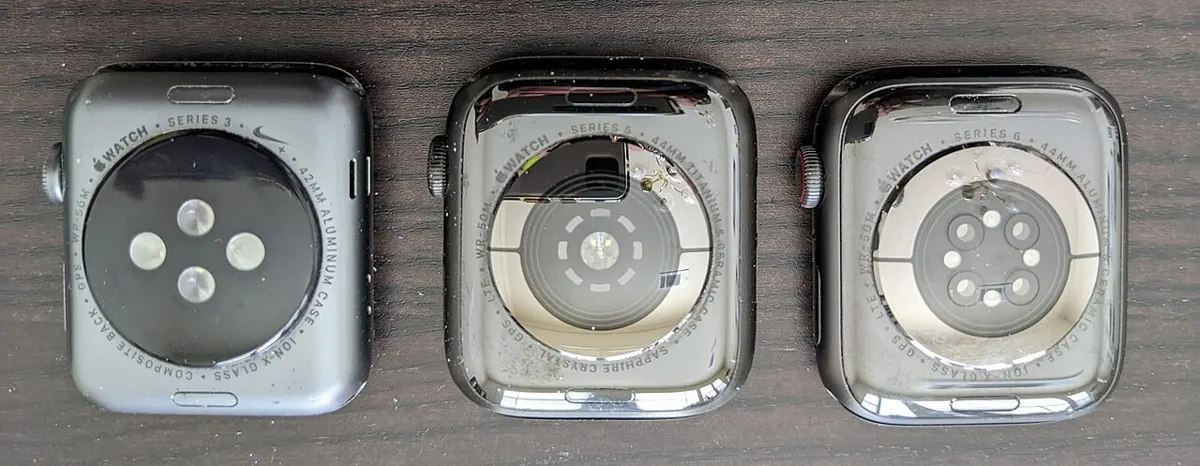
How accurate is smartwatch heart rate? What the research says
How optical heart-rate sensors in smartwatches work, how accurate they are at rest, in steady cardio and in intervals or weights, and how to get better readings.
144Hz vs 240Hz: which refresh rate do you need?
60Hz vs 144Hz vs 240Hz explained: what refresh rate really changes, the frame rate your PC needs, which games benefit, and when 360Hz or 500Hz is worth it.