Ford Privacy Promise: no selling driving data to brokers or insurers
Ford pledged never to sell data on how you drive to data brokers or insurance companies, days after GM's $220M settlement. What changes and how to adjust your settings.
LandGadget Newsroom · · 2 min read
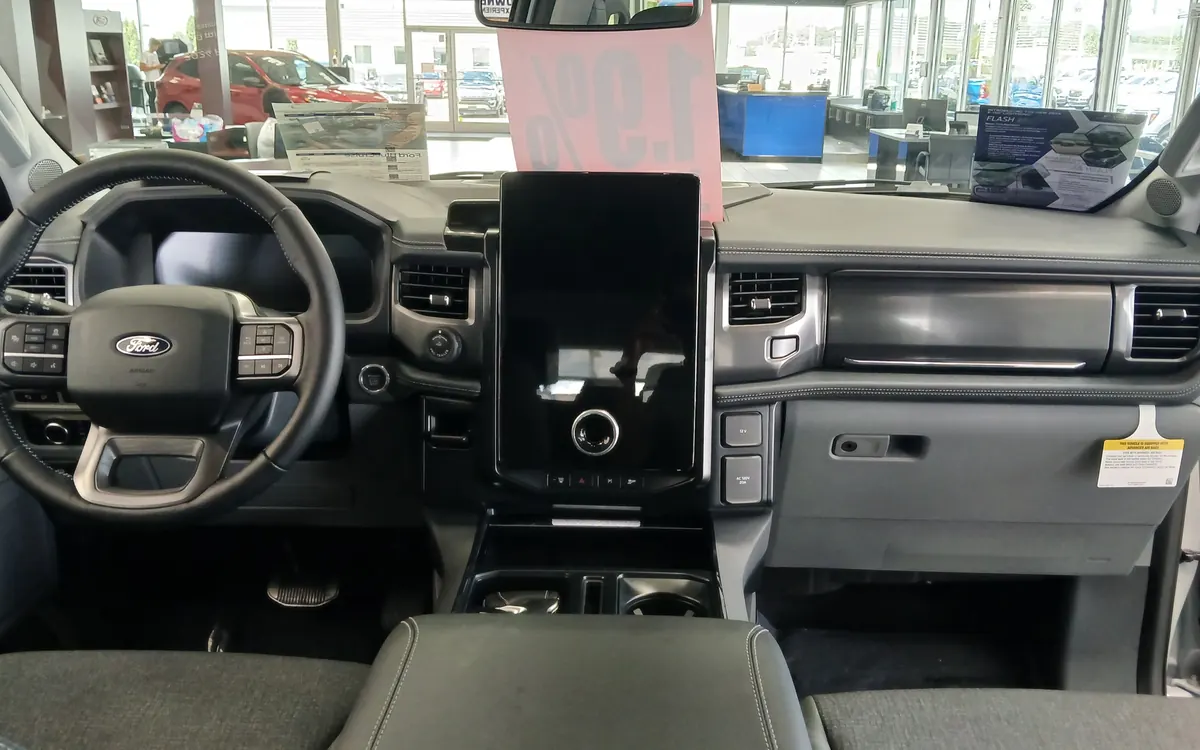
Ford has published a Privacy Promise for its connected cars, stating plainly that it does not sell data about how you drive to data brokers or insurance companies. The pledge, signed by chief privacy officer Kristin Jones, arrives days after General Motors agreed to pay $220 million to settle state claims over driver data that ended up with insurers, Ford announced on 2 November.
What Ford collects and why
Ford lists the connected-vehicle data it uses as diagnostics, driving characteristics and location. It says the data powers connected services such as embedded navigation, traffic and roadside assistance, helps it troubleshoot problems and develop products, and is used to personalise offers. Where possible, Ford says it anonymises or aggregates data.
How to change your settings
A new Privacy Promise website explains the practices and shows owners how to adjust sharing either on the car's centre display or in the Ford App. You can opt out of connected data sharing completely, but Ford warns that BlueCruise, internet connectivity and vehicle location in the app then stop working. Resources for Lincoln owners, Canada and Mexico are due in the coming weeks.
What the promise does not cover
The wording is about selling. As The Verge notes, a blog post is not a contract: Ford's privacy policy and connected-vehicle terms still allow sharing with service providers or for legal requests, and opt-in programmes such as usage-based insurance work on driver consent. If you signed up for one of those, check its settings separately.
Car data is now as sensitive as phone data. If you are thinking about connected features in your next car, our guide to self-driving levels explains what systems like BlueCruise actually do.
More from Cars & EVs
View all →Read next
How accurate is smartwatch heart rate? What the research says
How optical heart-rate sensors in smartwatches work, how accurate they are at rest, in steady cardio and in intervals or weights, and how to get better readings.

IPS vs VA vs OLED (and TN): which monitor panel type should you buy?
IPS vs VA vs OLED vs TN monitors compared: contrast, colour, viewing angles, response time, burn-in and price, with the best panel for gaming, work and movies.
Wi-Fi extender vs mesh: which fixes dead zones?
Wi-Fi extender vs mesh system explained: how each works, speed loss, roaming, cost, when a cheap extender is enough and when mesh or a wired access point is better.