How does sleep tracking work on a smartwatch? Accuracy explained
How smartwatches and fitness trackers detect sleep and estimate light, deep and REM stages, how accurate they are compared with a sleep lab, and how to use the data.
LandGadget Newsroom · · 4 min read
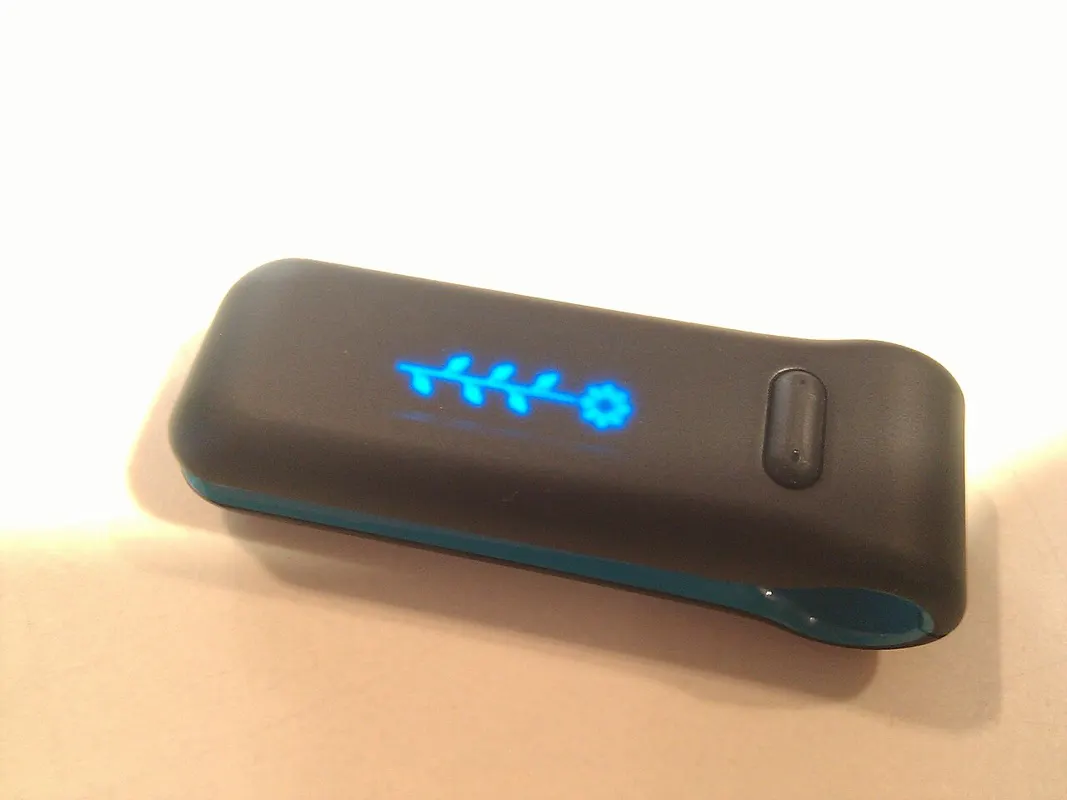
Sleep tracking is one of the main reasons people wear a watch or band overnight. Every morning you get a neat chart with light, deep and REM sleep and a score out of 100. But your watch can't see your brain waves — so how does it know which stage you're in, and how much should you trust it?
How a wearable detects sleep
Wearables combine several signals:
- Movement (accelerometer). The oldest method, called actigraphy: if your wrist is still for long enough, you're probably asleep.
- Heart rate and heart-rate variability (HRV). Heart rate falls and becomes more regular in deep sleep and is more variable in REM. Our heart-rate accuracy explainer covers how the optical sensor works.
- Breathing rate, derived from subtle changes in the heart-rate signal.
- Skin temperature and blood oxygen on many models, used for trends and context rather than stage detection.
An algorithm trained on sleep-lab data then estimates which stage you were most likely in for each 30-second chunk of the night.
How the "real" test works
The gold standard is polysomnography (PSG) in a sleep lab, which records brain activity (EEG), eye movement, muscle tone, breathing and oxygen levels. Sleep stages are defined by brain-wave patterns — something a wrist device can only infer indirectly.
How accurate is it?
Validation studies comparing consumer wearables with PSG (such as the seven-device study linked as our source) broadly find:
- Asleep vs awake: good at detecting sleep — high sensitivity — but weaker at spotting quiet wakefulness. Lying still in bed awake often gets counted as sleep, so total sleep time can be overestimated.
- Total sleep time and timing: usually reasonable for tracking trends over weeks.
- Sleep stages: moderate agreement at best. Light sleep is detected most reliably; deep and REM estimates can be off by a meaningful amount on any given night.
- Newer devices do better than older movement-only trackers, because they use heart rate and HRV.
In short: a wearable is a decent sleep diary that keeps itself, not a sleep lab.
How to use sleep data well
- Watch trends, not nights. A week or month of data says far more than one bad score.
- Focus on what you control: bedtime consistency, total time in bed, caffeine and alcohol timing. These show up clearly in wearable data.
- Don't chase deep or REM numbers. Stage estimates are the least accurate part, and worrying about scores can make sleep worse.
- Wear it consistently and snugly, on the same wrist, and keep the battery charged so nights aren't missing — see our battery life tips.
- Talk to a doctor if you suspect sleep apnea or insomnia. Some watches now flag possible breathing disturbances, but only a clinical test can diagnose.
Watch, band or ring?
For sleep, comfort and battery life matter most. Light fitness bands and smart rings are easier to sleep in and need charging less often than full smartwatches. Compare the options in fitness tracker vs smartwatch and smart ring vs smartwatch.
Frequently asked questions
How accurate is smartwatch sleep tracking?
Good at telling roughly when you slept and for how long, though it tends to overestimate sleep because it counts quiet wakefulness as sleep. Stage estimates (deep, REM) are much less precise than a sleep lab.
Can a smartwatch measure deep sleep?
It estimates deep sleep from movement, heart rate and HRV but cannot measure brain waves, so treat the number as an approximation and look at long-term trends.
Is a smart ring better than a watch for sleep tracking?
Rings are often more comfortable overnight and last longer per charge, which helps consistency. Accuracy depends on the sensors and algorithm rather than the form factor.
Can a smartwatch detect sleep apnea?
Some models can notify you of possible signs of sleep apnea where cleared by regulators. That is a prompt to see a doctor, not a diagnosis.
More from Smartphones
View all →Read next
How long do robot vacuums last? Lifespan, parts and when to replace
How many years a robot vacuum really lasts, which parts wear out first (battery, brushes, filters), replacement intervals, signs it's time to replace, and how to extend its life.
IPS vs VA vs OLED (and TN): which monitor panel type should you buy?
IPS vs VA vs OLED vs TN monitors compared: contrast, colour, viewing angles, response time, burn-in and price, with the best panel for gaming, work and movies.
144Hz vs 240Hz: which refresh rate do you need?
60Hz vs 144Hz vs 240Hz explained: what refresh rate really changes, the frame rate your PC needs, which games benefit, and when 360Hz or 500Hz is worth it.