UK public EV charging now carries 20% VAT by law
From 1 November, UK law says public and workplace EV chargers are not 'domestic use', so they carry the standard 20% VAT rate. Home charging keeps its relief.
LandGadget Newsroom · · 2 min read
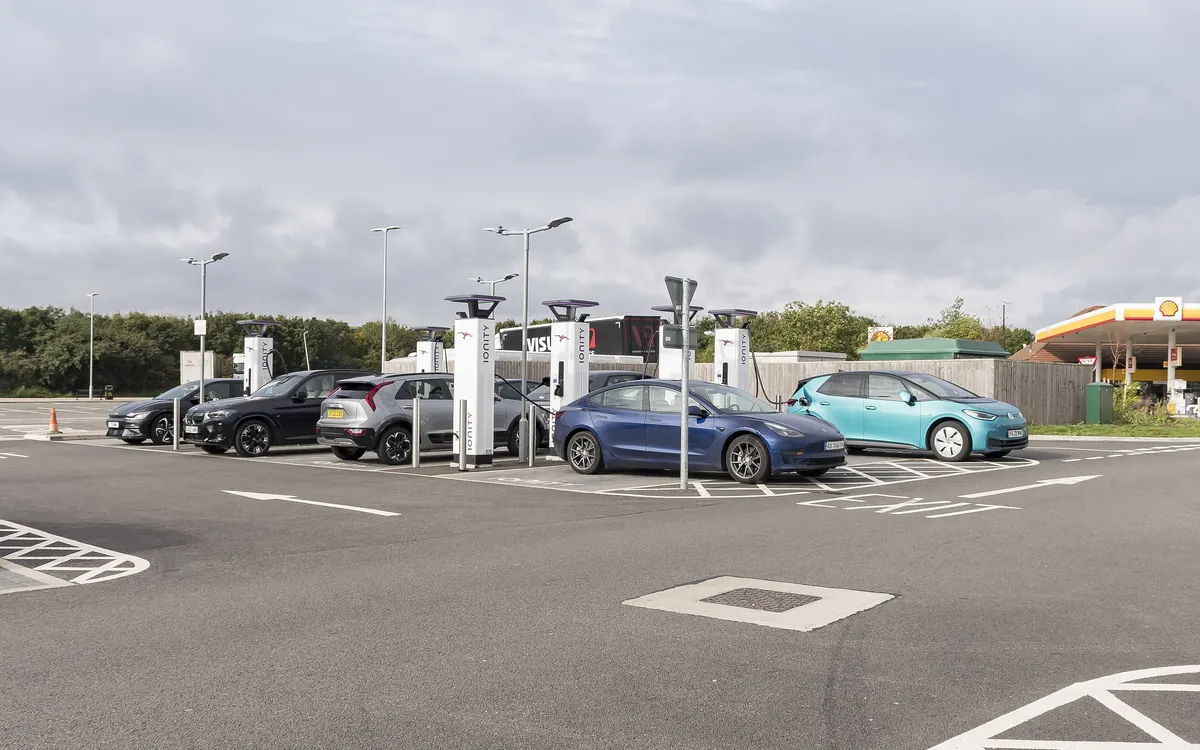
Drivers who rely on public chargers in the UK now have the VAT question settled, though not in their favour. New legislation in force from 1 November 2026 confirms that electricity from publicly accessible EV charge points and workplace charge points is not supplied for domestic use, so it is standard-rated: 20% VAT. HMRC explained the change in Revenue and Customs Brief 13 (2026), published on 28 October.
Why the law changed
Electricity for domestic use normally gets a reduced VAT rate. That relief was written before EV charging existed, and charge point operators have questioned whether some public charging should qualify. In the Charge My Street case, the First-tier Tribunal's decision raised exactly that question. The government has now legislated to put HMRC's long-standing position into law.
The rule covers:
- Public charge points: any charger that is publicly accessible, from rapid hubs at motorway services to on-street posts.
- Workplace charge points: chargers available to employees and contractors at their workplace.
Supplies to a charity for non-business use are the exception. The same change applies to the Climate Change Levy, which isn't charged on domestic electricity: public and workplace charging now clearly counts as non-domestic for the levy too.
What stays the same at home
Charging your car from your normal household electricity can still qualify for domestic VAT relief, HMRC says. A separate supply through a stand-alone charger for private residential use at a home or residential building may also qualify.
According to the brief, a temporary zero rate of VAT has applied to domestic electricity in Great Britain since 1 October 2026. That leaves a wide tax gap between home charging and public charging, which hits drivers without a driveway hardest.
What it means for drivers
The law puts HMRC's long-standing position on a statutory footing rather than introducing a new tax, so it mainly closes the door on claims that some public charging could qualify for a lower rate. If you can charge at home, it remains the cheapest option: our home EV charger guide covers what to buy and how installation works, and our explainer on how long it takes to charge an EV compares home and rapid charging speeds.
Charge point operators and VAT advisers should read HMRC's VAT Notice 701/19 for the detailed rules.
More from Cars & EVs
View all →Read next
How many case fans do I need? PC airflow setup guide
How many case fans a gaming PC really needs, which way to point them, intake vs exhaust, positive vs negative pressure, 120 vs 140 mm and how to set fan curves.

Best Monitor Size for Gaming: 24 vs 27 vs 32 Inch
What monitor size is best for gaming? Compare 24, 27, 32-inch and ultrawide screens by resolution, pixel density, desk distance, GPU power and the games you play.

Bluetooth Codecs Explained: SBC vs AAC vs aptX vs LDAC vs LC3
What Bluetooth audio codecs actually change: SBC, AAC, aptX, LDAC and LE Audio's LC3 compared — sound, latency, battery and which phones support which codec.