New York Times sues Brave over AI scraping and paywall bypassing
The NYT and three Alden-owned papers sued Brave, alleging its 30-billion-page index feeds AI firms like Anthropic and Perplexity and that its tools bypass paywalls.
LandGadget Newsroom · · 2 min read

The company behind the Brave browser and search engine is facing two new copyright lawsuits. The New York Times sued Brave Software in federal court in Manhattan on Monday, and the New York Daily News, Chicago Tribune and Orlando Sentinel filed a separate complaint with similar claims, The Verge reports, citing Reuters.
What the publishers allege
Both suits focus on the Brave Index, a collection of more than 30 billion web pages that powers Brave Search. The publishers say Brave sells access to that index through its Search API, and that AI companies use it to train models, answer user queries, or both. The complaints name Anthropic, Perplexity, Mistral, xAI and Cohere as customers. They also say Brave never disclosed the name of its crawler, so sites could not block it by name.
The second target is Brave's paywall-bypassing features. The Times calls Brave a supplier of "stolen copyrighted content" and argues its products are designed to get around the technical measures publishers use to control access.
What they want
The Alden-owned papers bring claims of direct, contributory and vicarious copyright infringement, DMCA circumvention and unjust enrichment, covering more than two million registered articles, and want damages, repayment of profits, a permanent injunction and a jury trial. The Times filed its own copyright and DMCA claims. Brave had not commented at the time of the reports.
Why it matters
Most AI copyright cases target model makers. These go after a data supplier in the middle, which could make search APIs a new pressure point. For more on the publisher fight, see our report on Meta's business terms for AI crawling.
More from Computers & AI
View all →Read next
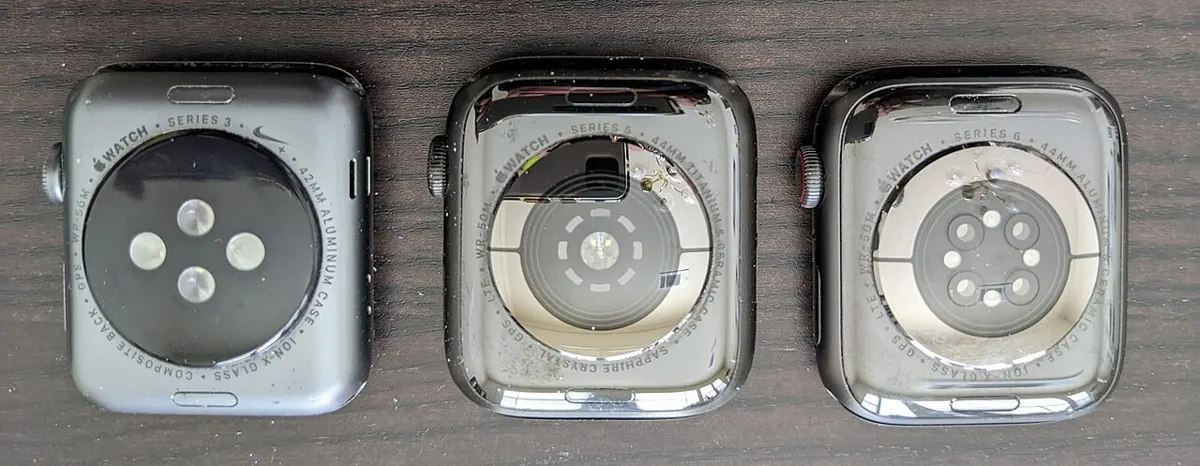
How accurate is smartwatch heart rate? What the research says
How optical heart-rate sensors in smartwatches work, how accurate they are at rest, in steady cardio and in intervals or weights, and how to get better readings.
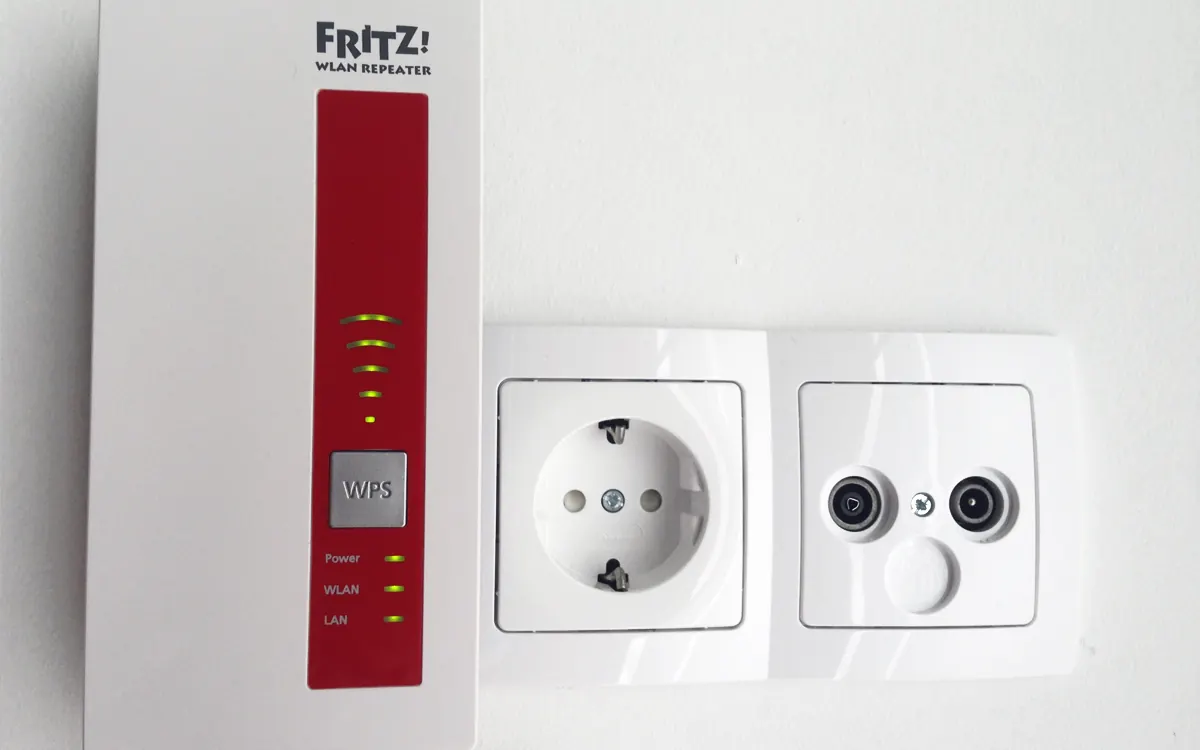
Wi-Fi extender vs mesh: which fixes dead zones?
Wi-Fi extender vs mesh system explained: how each works, speed loss, roaming, cost, when a cheap extender is enough and when mesh or a wired access point is better.

144Hz vs 240Hz: which refresh rate do you need?
60Hz vs 144Hz vs 240Hz explained: what refresh rate really changes, the frame rate your PC needs, which games benefit, and when 360Hz or 500Hz is worth it.