UK watchdog moves to open iPhone NFC to Apple Pay rivals
The CMA wants Apple to let UK apps use the iPhone's contactless chip through both main NFC standards, at much lower fees. Consultation closes 17 November.
LandGadget Newsroom · · 3 min read
Quick verdictA real opening for UK wallets, digital IDs and keys on the iPhone, but nothing changes until the CMA makes a final decision.
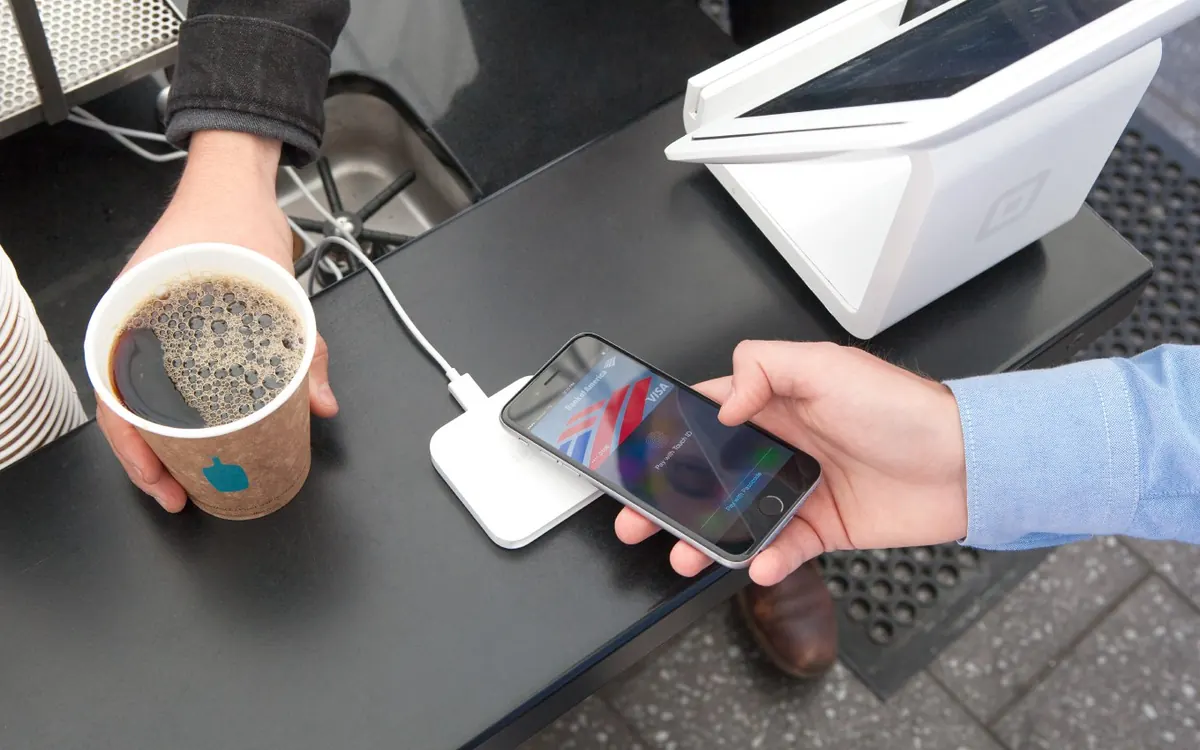
Jump to the verdict ↓The UK's Competition and Markets Authority (CMA) has proposed new rules that would force Apple to open the iPhone's contactless chip (NFC) to other UK businesses on fair terms and for much lower fees. Right now Apple Wallet is the only real option for tap-to-pay on an iPhone in the UK. The CMA wants banks, fintechs and others to be able to build rival wallets, digital IDs, travel passes and car or hotel keys, according to its announcement.
The proposal is a "conduct requirement" under the UK's new digital markets law. It follows the CMA's decision to give Apple strategic market status for its mobile platform. A similar process is under way for Microsoft. Anyone can respond to the consultation until 17 November 2026.
Today vs the CMA's proposal
| UK today | CMA proposal | |
|---|---|---|
| NFC standards for apps | Secure element (SE) only | Both SE and host card emulation (HCE) |
| Fees | Businesses call Apple's fees and terms onerous | CMA sets pricing principles; expects substantially lower charges |
| Rival iPhone wallets | None launched in the UK | Aim: wallets, IDs, tickets, keys |
| Status | In force | Consultation until 17 Nov 2026 |
Secure element (SE) keeps payment credentials in a dedicated chip on the phone. Host card emulation (HCE) keeps them off the device, typically in the cloud. Android has supported both for years. The CMA says it has seen no evidence that either standard is inherently insecure, and offering both would let UK firms bring over services they already run in the EU.
Why the CMA is pushing
- Contactless is everywhere: it made up 39% of all UK payments in 2025 (19.2 billion transactions), compared with 3% a decade ago.
- Apple dominates wallets: 62% of UK adults use a digital wallet, and Apple Wallet is the most popular at 50%, citing a Which? survey.
- The EU comparison: within six months of Apple agreeing to open NFC for payments in the EU, Vipps launched the first alternative payment app, followed by PayPal, Klarna, Curve and BBVA. In the UK, no wallet-type rival has launched.
+ Pros
- More choice of tap-to-pay wallets on the iPhone, including bank and fintech apps
- Room for digital IDs, age checks, travel passes, loyalty cards and car, hotel or office keys
- Could support open banking payments straight from your bank account
− Cons
- Only a proposal for now; the final decision comes after the consultation
- Actual fees are not set, so how much cheaper access becomes is unclear
- Applies to the UK only
"We have heard that high fees, strict terms, and technical restrictions relating to Apple's contactless technology make it too difficult for challengers to innovate and compete," said Sarah Cardell, the CMA's chief executive. The Financial Conduct Authority backed the move.
As phones turn into wallets, keys and ID cards, security matters more. See how Android's new scam protections work. Apple's next big product moment is its 28 October event.
Our verdict
Good news for UK iPhone owners, if it survives the consultation
The CMA isn't banning Apple Wallet or setting Apple's prices. It wants other UK businesses to get the same technical access to the iPhone's NFC chip on commercially workable terms. If the final rules look like this draft, UK iPhone owners could see bank-branded tap-to-pay, digital IDs and phone-based keys that EU users already have. Nothing changes until a final decision after 17 November.
More from Smartphones
View all →Read next

SwitchBot permanent outdoor lights add Matter for $240
SwitchBot's 30-metre Permanent Outdoor Lights mix RGB effects with real warm and cool white LEDs and join Apple Home, Google Home or Alexa via Matter.

Cyberpunk 2077 Update 2.5 arrives Oct 22: what we know
CD Projekt Red's free Edgerunners 2 Update for Cyberpunk 2077 lands on 22 October with anime-inspired content, cyberware customisation and dual-wielding.

TorchNeuron explained: AWS opens Trainium chips to PyTorch
Amazon's open-source TorchNeuron lets PyTorch code run on AWS Trainium chips by switching the device to neuron. What it is, what changes and what doesn't.