Synaptics and Google bring Coral NPU to tiny AI chips
Synaptics' Astra SR200 chips put Google's open Coral NPU into low-power microcontrollers for wearables and cameras, while Google finishes the Coral design.
LandGadget Newsroom · · 3 min read
On this page
Most AI news is about giant data centres. This launch is about the opposite end: the tiny, battery-powered chips inside earbuds, smart glasses, doorbells and sensors. Synaptics has announced the Astra SR200 series, a family of microcontrollers it calls "xMCUs". They're built to run voice, vision and other AI models entirely on the device, the company said on Tuesday.
The AI accelerator inside is based on Coral NPU, an open hardware design from Google Research. Google published its own update on the same day: the 32-bit Coral NPU architecture is now complete. Google says its new matrix unit can be configured for up to 1 TOPS while targeting about 10 mW of average power during inference.
Three chips, one software stack
| SR210 | SR230 | SR250 | |
|---|---|---|---|
| AI performance | 200 GOPS | 300 GOPS | 400 GOPS |
| Focus | Always-on voice and sensing | Adds vision, display, optional audio | Dual vision and display paths |
| Typical use | Low-power sensors | Mainstream multimodal devices | Premium edge devices |
The chips pair an Arm Cortex-M85 core (up to 800 MHz) with a Cortex-M52, which Synaptics says is the first time these two have been combined. Memory is the bigger change. There's up to 8 MB of SRAM plus custom high-bandwidth DRAM that can scale to hundreds of megabytes. Synaptics says it uses about a third of the power of typical system DRAM, so devices can run bigger models without a separate memory chip. There is also an optional audio DSP, hardware security aimed at PSA Level 3 and CC EAL4+ certification, and industrial versions with gigabit Ethernet and CAN-FD.
Why it matters
Running AI locally means faster responses, better privacy and no dependence on a connection, which matters for wearables and security cameras. Companies quoted in the launch include Sonos, which talked about audio, and Verisure, which says it runs its own vision, voice and audio models on Synaptics chips. Synaptics has not published prices or named any shipping consumer product that uses the SR200.
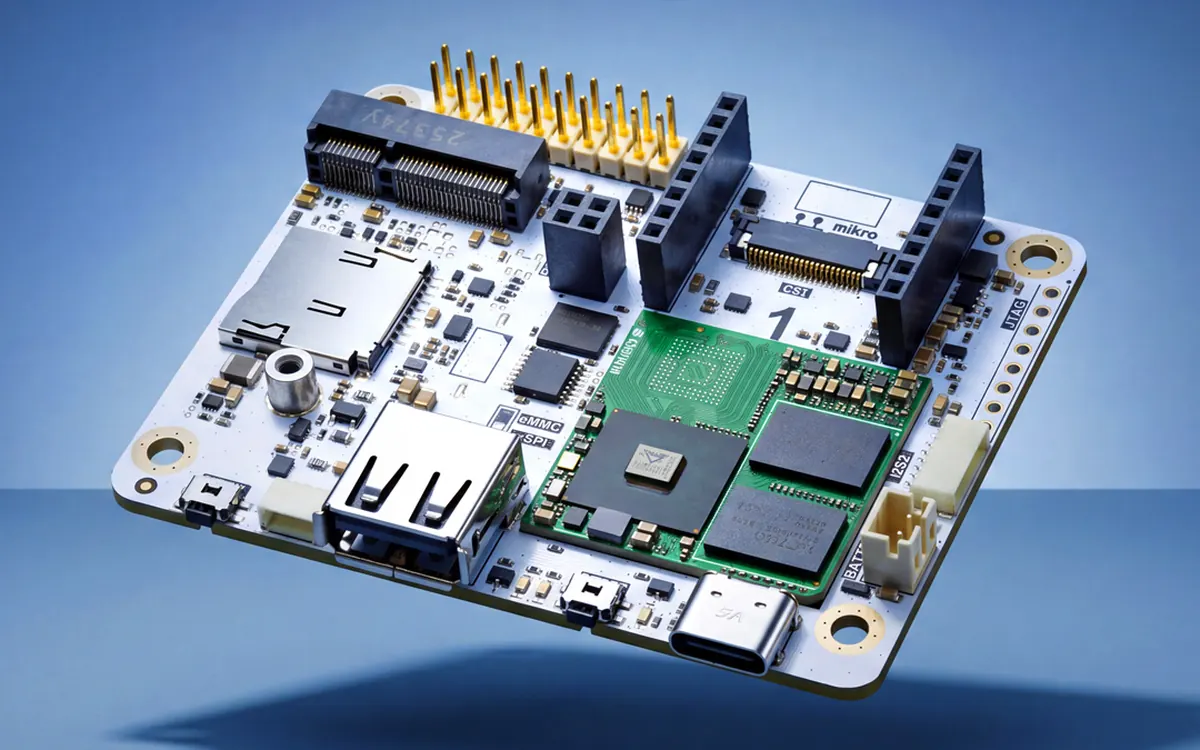
Google is also releasing the open-source Coral Compiler v1.0, built on IREE/MLIR. It takes models from JAX, PyTorch and TensorFlow. Developers can try the platform on two boards: the new Coralboard SR based on the SR200, and the Coralboard SL with 1 TOPS, now on general sale through DigiKey.
It's the same local-AI trend we're seeing at the top end with NVIDIA's RTX Spark laptops, just at milliwatt scale. If you're thinking about running models yourself, start with our guide to a laptop for local AI.
More from Computers & AI
View all →Read next
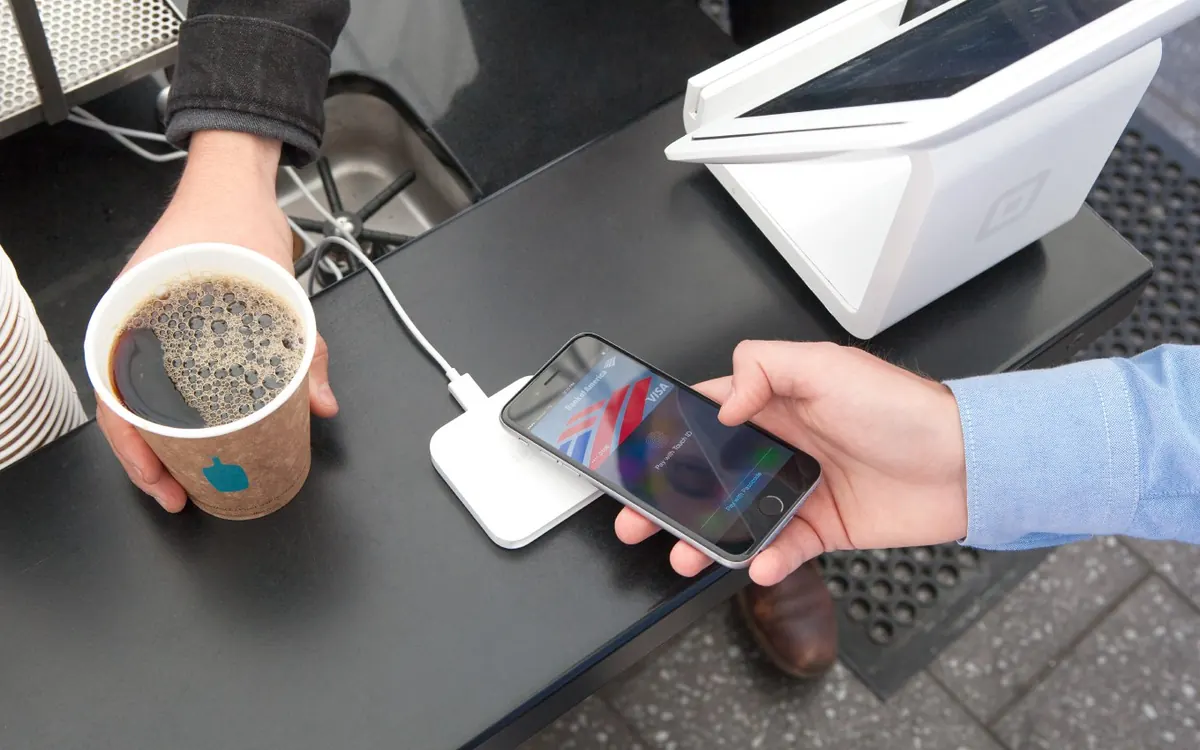
UK watchdog moves to open iPhone NFC to Apple Pay rivals
The CMA wants Apple to let UK apps use the iPhone's contactless chip through both main NFC standards, at much lower fees. Consultation closes 17 November.

SwitchBot permanent outdoor lights add Matter for $240
SwitchBot's 30-metre Permanent Outdoor Lights mix RGB effects with real warm and cool white LEDs and join Apple Home, Google Home or Alexa via Matter.

Cyberpunk 2077 Update 2.5 arrives Oct 22: what we know
CD Projekt Red's free Edgerunners 2 Update for Cyberpunk 2077 lands on 22 October with anime-inspired content, cyberware customisation and dual-wielding.