Claude designed 17 lab-confirmed binders for scorpion toxins
Anthropic says Claude generated 318,484 protein designs in 64 hours; 17 of 211 lab-tested ones bound scorpion neurotoxins. It is not an antivenom yet.
LandGadget Newsroom · · 3 min read
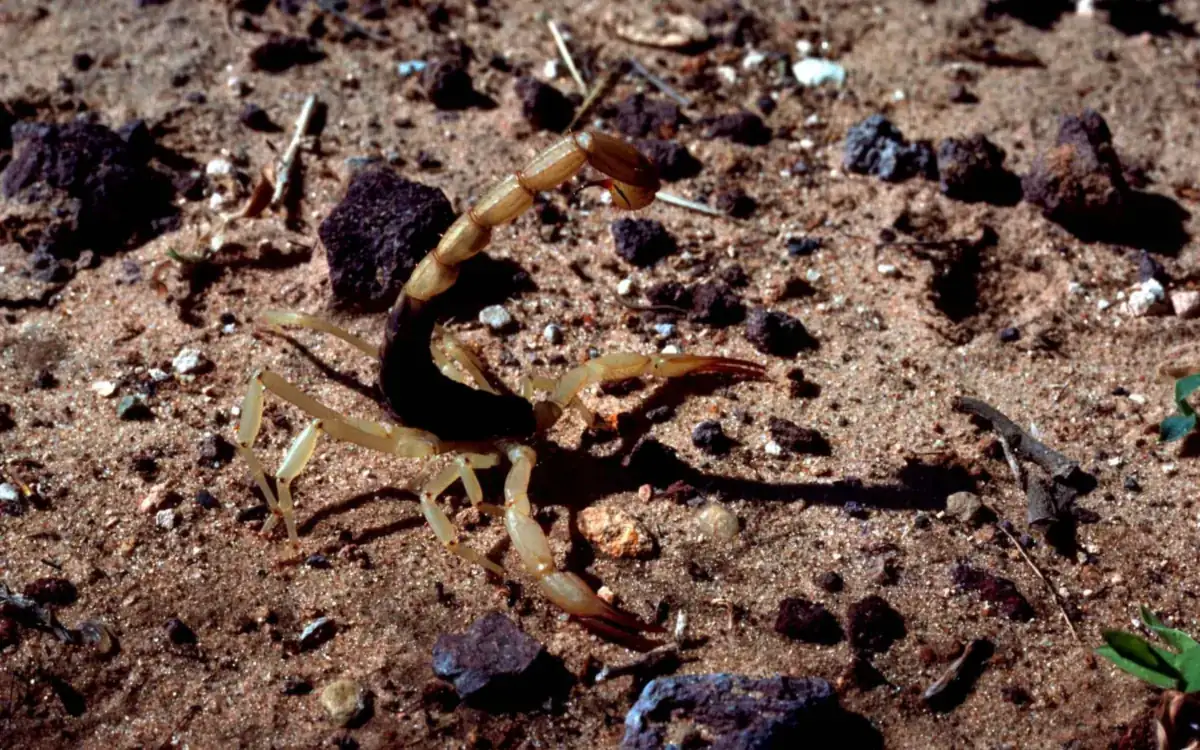
Anthropic has published one of the clearest examples yet of an AI model running a real piece of lab science end to end. In a research post on Tuesday, the company says an internal Claude research model designed small proteins that latch onto scorpion neurotoxins, and that independent labs confirmed 17 of them actually bind. Here's what that means, and what it doesn't.
What is a protein binder, and why scorpions?
A binder is a molecule that sticks tightly to one specific target. Antibodies are the natural example. If a small designed protein (a minibinder) grabs the part of a toxin that attacks nerve cells, the toxin in theory can't do its damage.
Scorpion stings are a good test case. Anthropic cites more than 1.2 million stings and over 3,250 deaths a year, mostly children in places with poor access to care. Today's antivenoms are made by immunising horses with venom milked from thousands of scorpions. They take months to produce, cover only a few toxins and are often costly or scarce. With little money in the field, scorpion envenomation is treated as a neglected tropical disease.
What Claude actually did
The project was set up with Citrini Research. The model worked inside Claude Science from one prompt plus four follow-ups over 64 hours, mostly on its own:
- It picked toxin structures from the Protein Data Bank and AlphaFold database and chose five "hotspots" per toxin to aim at.
- It targeted five toxins from Mexico (Cn2), Brazil (Ts1), North Africa (AaH I, AaH II) and the Middle East (LqhIII).
- It used 12 design tools to generate 318,484 designs, screened 553,052 design-toxin pairs and shortlisted 180. Researchers added 31 more, for 211.
- Compute was on the order of 10,000 GPU hours. Anthropic says a simpler single-GPU, 24-hour setup reaches comparable computer-simulated scores.
What the labs found
Adaptyv Bio and Twist Bioscience made the proteins in two different ways and measured binding with surface plasmon resonance. To count, a design had to bind in every replicate at both labs, at 1 µM or tighter, and not stick to an unrelated human protein.
- 17 designs passed: seven against Cn2, four each against AaH I and AaH II, and two against LqhIII. None worked against Ts1.
- Among single-toxin designs, the hit rate was 18%, which Anthropic says is typical for protein design.
- The two best, Cn2-B1 and Cn2-B2, bound at single-digit nanomolar strength and appear to use the same site as LR, an antibody reported to neutralise Cn2 in mice.
- Every multi-toxin design failed to bind more than one toxin.
Why it isn't an antivenom (yet)
Anthropic is explicit: binding was shown only against lab-made toxins. No tests on cells and no animal tests have been done, so nobody knows yet whether these proteins neutralise venom. Turning a binder into a safe, cheap drug is the hard part, as outside reviewers Susana Vázquez Torres (CNIO) and Timothy P. Jenkins (DTU) both stress.
It's still a notable data point in the race to turn AI models into research tools, alongside efforts such as AWS's open-source TorchNeuron. If you're curious about running models yourself, start with our laptop for local AI guide and how much RAM you need.
More from Computers & AI
View all →Read next

Game Pass late October: Final Fantasy VII Remake, Mouthwashing
Xbox's second October Game Pass wave adds Final Fantasy VII Remake Intergrade, The Séance of Blake Manor and Mouthwashing. Nine games leave on October 31.
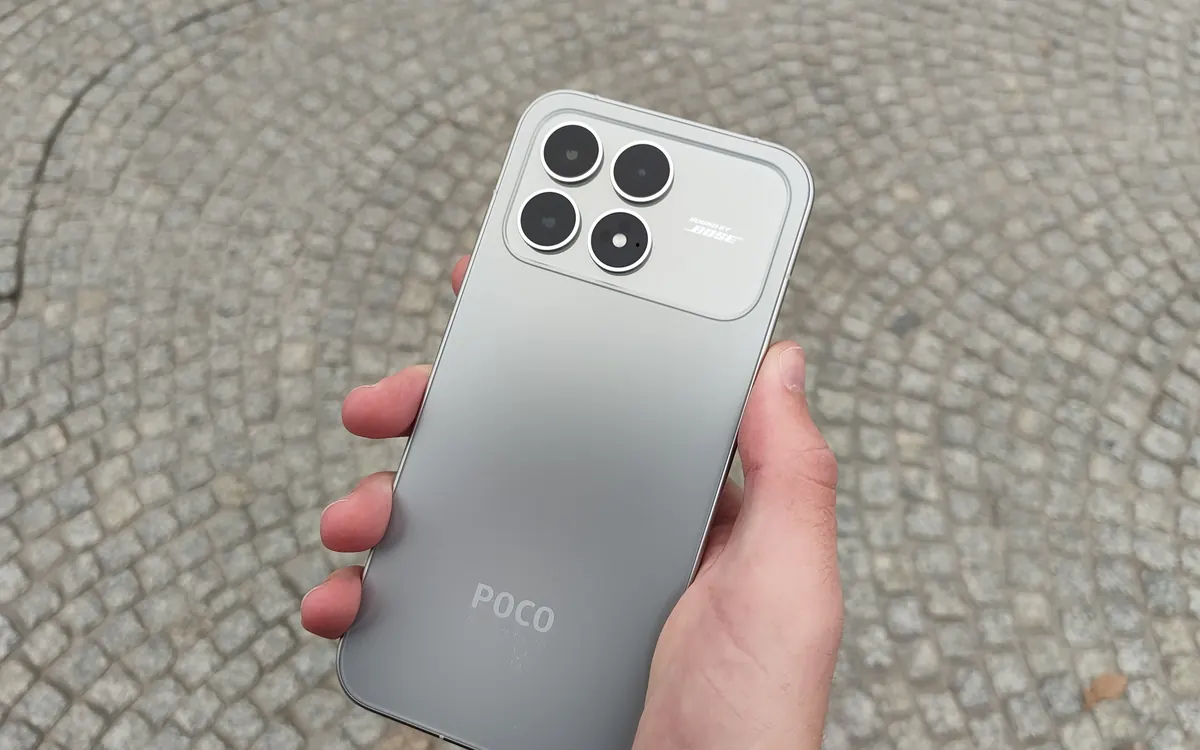
POCO X8s: a compact phone with a 6,330 mAh battery
The POCO X8s is up for pre-order in Vietnam before its formal launch: a 6.35-inch OLED, Snapdragon 7 Gen 4, 6,330 mAh battery and 100 W charging from about $437.

SwitchBot permanent outdoor lights add Matter for $240
SwitchBot's 30-metre Permanent Outdoor Lights mix RGB effects with real warm and cool white LEDs and join Apple Home, Google Home or Alexa via Matter.