How the Slate truck gets updates without a screen
Slate's budget electric pickup has no infotainment screen or built-in cellular, yet still gets software updates. Your phone carries them over a USB cable.
LandGadget Newsroom · · 3 min read
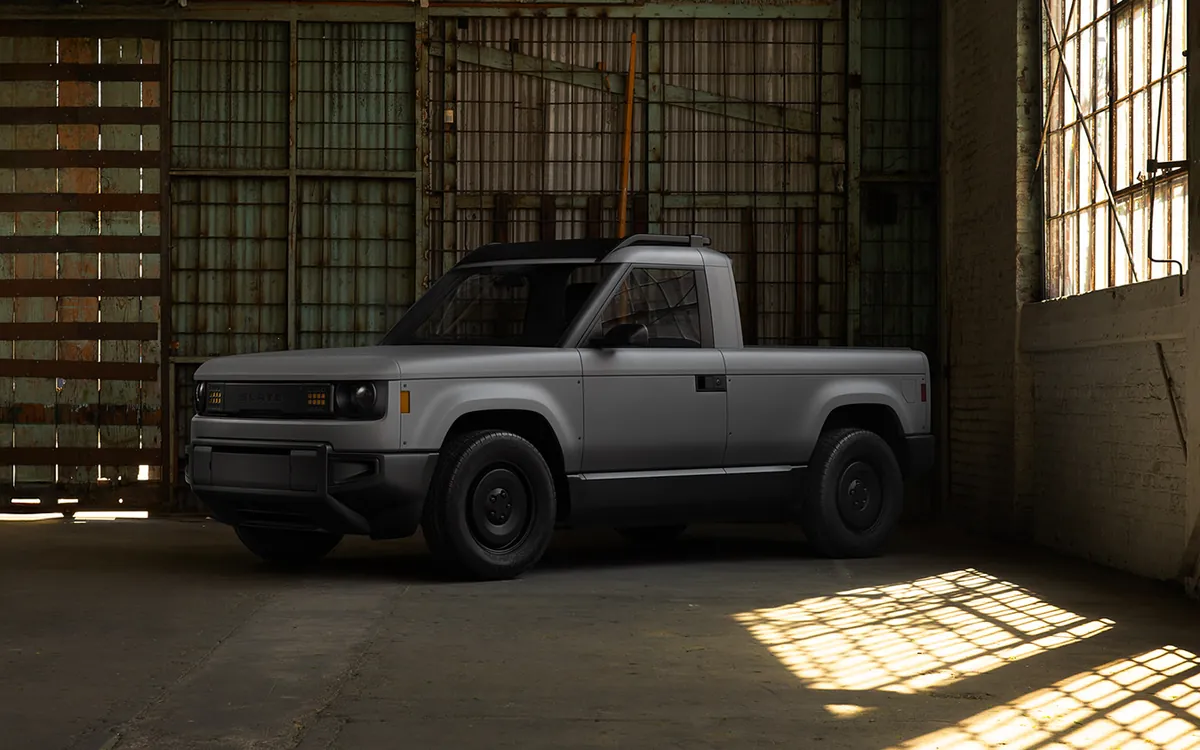
Almost every new car now gets "over-the-air" (OTA) software updates through a built-in cellular modem or your home Wi‑Fi. Slate Auto's small electric pickup has neither. So how does it stay up to date? Engadget explains the workaround, and it's refreshingly simple: your phone does the downloading.
A truck stripped to the basics
Minimalism is Slate's whole business model. The base truck skips an infotainment system, a radio, speakers, power windows and even paint (you wrap it in vinyl instead). Engadget puts the entry price under $25,000. A long list of add-ons can fill the gaps: speakers, an iPad mount that acts as a screen, a kit that turns the truck into a five-seat SUV, and a telematics module that lets you unlock the doors from the app. Fully loaded, the price passes $45,000.
Slate's estimates for the truck are about 205 miles (330 km) of range, a 1,550 lb (703 kg) maximum payload and a 2,000 lb (907 kg) towing rating. That's for errands and short hauls rather than long road trips.
How a Slate update works
- The Slate app on your phone notices that an update is available and downloads it.
- You plug the phone into the truck's USB port on the dashboard. The file transfer takes about a minute, and this is the only step where the phone has to stay connected.
- The truck then installs the update on its own, which takes around 45 minutes.
Slate says the updates will stick to bug fixes and small improvements. Don't expect the major feature drops Tesla or Rivian owners are used to.
The app does the "infotainment" jobs
The same app shows your remaining range, helps you find chargers, and can send directions to Google Maps, Apple Maps or Waze. In practice your phone becomes the screen, which many drivers already prefer.
Privacy
A truck that doesn't phone home will appeal to buyers who are tired of connected-car data collection. Slate says it won't sell app data and only collects what it needs for things like diagnostics, service and update status. That's a clear contrast with recent controversies over carmakers sharing driving data.
Is it a smart trade-off?
For a low-cost work truck, probably yes. Fewer modems and screens mean fewer parts to fail and less data leaving the car. The catch is that you have to remember to plug in your phone now and then. If you're thinking about an EV like this, our home EV charger guide and EV battery care tips cover the basics of living with one. Rivian, meanwhile, is going the opposite way and selling its software to other brands.
More from Cars & EVs
View all →Read next
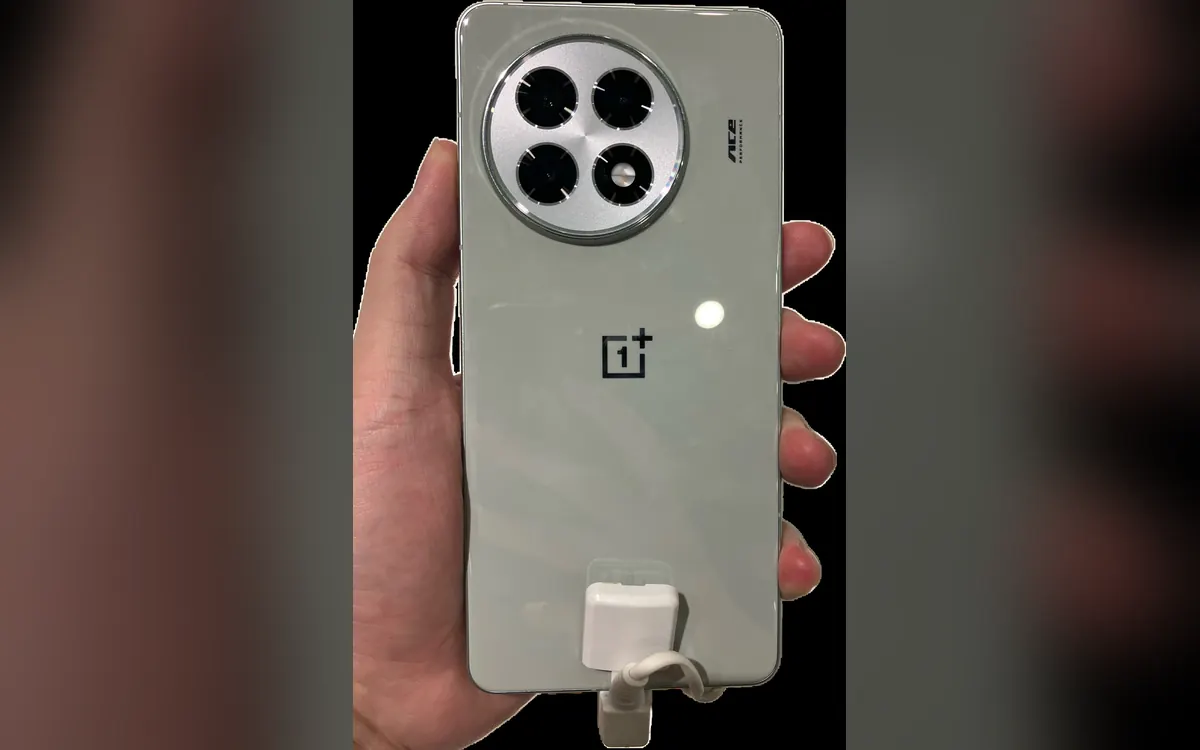
OnePlus Ace 7's fan blows two ways to keep your hands cool
OnePlus says the Ace 7 series' built-in fan splits its airflow between the chip and the back panel and keeps hot air off your fingers. Why that detail matters.

Switch Sports Resort lands Oct 22: what's in all 12 sports
The Switch 2 exclusive Switch Sports Resort arrives on 22 October with 12 motion-control sports on Wuhu Island, including Skateboarding and Thumb Wrestling.

ALMA's 'cosmic hamburger' shows how giant planets may form
ALMA slices the edge-on disk known as Gomez's Hamburger into layers of gas and dust and spots a clump that may be a giant planet in the making. What it shows.