Microsoft quits Nscale's Essex AI data centre over grid delays
Microsoft has pulled out of Nscale's planned AI data centre in Loughton after grid officials said power may not arrive until the 2030s. Why it matters for AI.
LandGadget Newsroom · · 2 min read
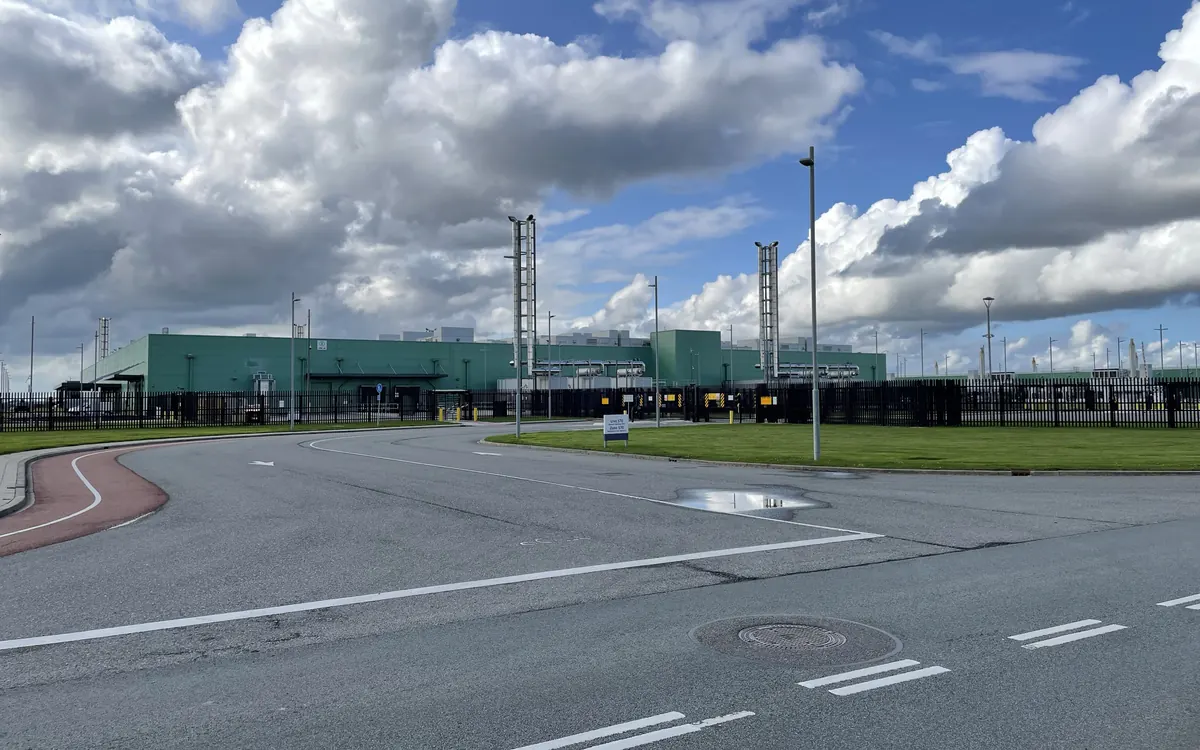
The bottleneck for AI in Britain is no longer chips or money. It is a cable to the grid, and this time it cost an anchor tenant.
What happened. Microsoft has ended its involvement in a planned AI data centre at Loughton in Essex, built by the British cloud company Nscale. The Telegraph first reported the move on Sunday; BBC News and Reuters have since confirmed it. Microsoft declined to comment. Nscale says it is still committed to the site, which it pledged £2 billion to build and which is billed as the UK's largest AI data centre.
Why. The site was due to get its grid connection at the end of this year. According to the reports, grid officials have now told Nscale that power is not expected until the 2030s. Nscale calls it "this unfortunate London-wide grid issue" and says it is exploring alternative power sources for Loughton and other UK expansion sites.
What was at stake. Microsoft had said that part of its $30 billion UK investment would fund a supercomputer at the site. The Telegraph reports that it was the only announced customer and had agreed to rent capacity on 23,000 Nvidia AI chips there. Nscale says its other work with Microsoft, in Norway, Portugal and the US, is unaffected. The timing is awkward for Nscale, which filed for a US stock market listing last month.
Our take. This is less a story about Microsoft cooling on AI than about where AI can physically go. Training and running large models needs huge, steady amounts of electricity, and a data centre full of GPUs is worthless without it. Customers will not wait years for a grid connection when Norway or Portugal can deliver power sooner. For the UK's ambition to become an AI hub, that is the real warning: grid upgrades now move slower than AI demand.
For everyday users, nothing changes overnight. Cloud AI services run from data centres around the world. But the power crunch is one reason AI labs now brag about efficiency, as Microsoft did when it said its MAI-Base-2 model needs far less pre-training compute than rivals. It is also a case for running some AI on your own device: our guide to laptops for local AI explains what you need, and how much RAM you really need helps you size a new PC.
More from Computers & AI
View all →Read next
OnePlus Ace 7's fan blows two ways to keep your hands cool
OnePlus says the Ace 7 series' built-in fan splits its airflow between the chip and the back panel and keeps hot air off your fingers. Why that detail matters.

Switch Sports Resort lands Oct 22: what's in all 12 sports
The Switch 2 exclusive Switch Sports Resort arrives on 22 October with 12 motion-control sports on Wuhu Island, including Skateboarding and Thumb Wrestling.

ALMA's 'cosmic hamburger' shows how giant planets may form
ALMA slices the edge-on disk known as Gomez's Hamburger into layers of gas and dust and spots a clump that may be a giant planet in the making. What it shows.