What is VO2 max on a smartwatch, and how accurate is it?
What VO2 max means, how Apple Watch, Galaxy Watch, Garmin and Fitbit estimate it, how accurate wrist estimates really are, and how to get readings you can trust.
LandGadget Newsroom · · 6 min read
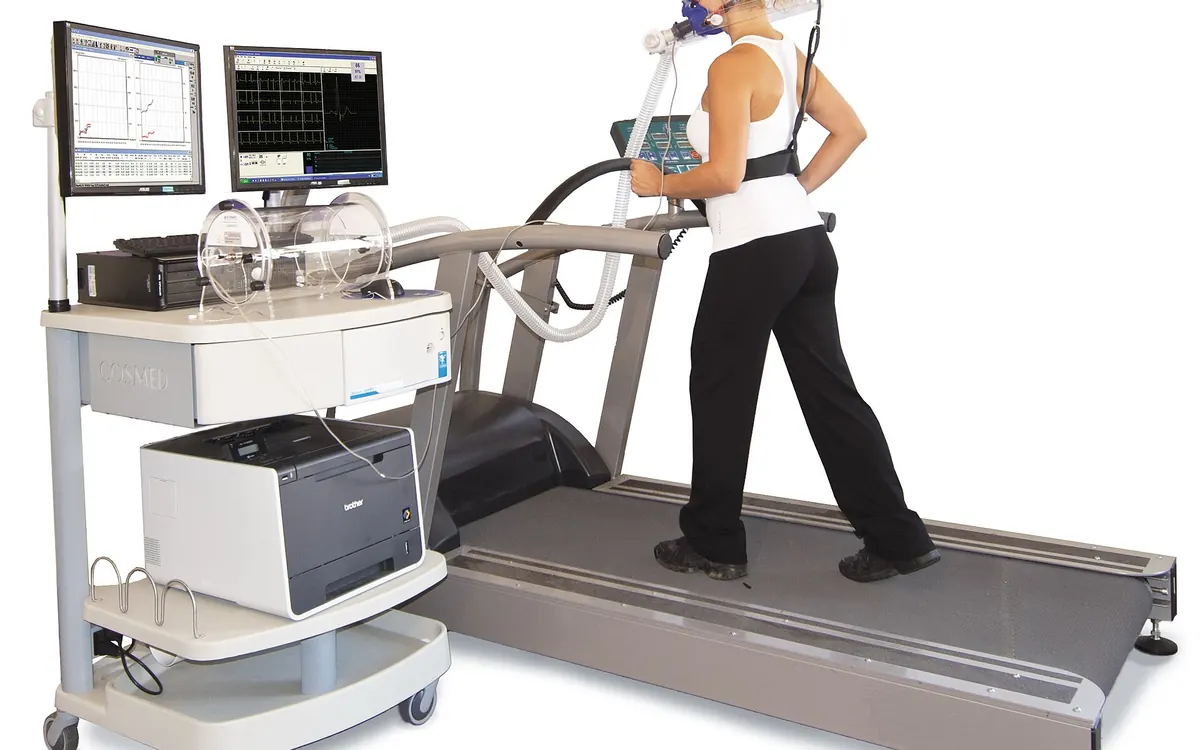
Almost every recent smartwatch and many fitness bands show a VO2 max or "cardio fitness" score. It's one of the most useful numbers your watch produces, and one of the easiest to misread. Here's what it is, how watches get it and how much you can trust it.
What VO2 max actually is
VO2 max is the maximum amount of oxygen your body can take in and use during intense exercise. It's expressed in millilitres of oxygen per kilogram of body weight per minute (mL/kg/min), so a lighter and a heavier person can be compared. A higher number means your heart, lungs and muscles can deliver and use more oxygen, which is why it's a standard measure of aerobic fitness.
Apple describes cardio fitness as "a strong indicator of your overall physical health and a predictor of your long-term health" in its support guide, and it notifies users whose levels are low for their age and sex.
How it's measured in a lab
The reference method is a graded exercise test: you run on a treadmill or ride a bike while the effort rises step by step, wearing a mask that analyses the air you breathe out. The test ends when you can't go on, and the peak oxygen uptake is your VO2 max. It's accurate, but it takes special equipment, staff and a truly maximal effort.
How your watch estimates it
A watch has no gas analyser, so it estimates VO2 max. In general, it compares how hard your heart is working (heart rate) with how much work you're doing (pace or speed from GPS and motion sensors), then factors in your age, sex, weight and height. Running at a given pace with a lower heart rate suggests better fitness.
Brands set their own rules for when an estimate is made:
- Apple Watch (Series 3 or later) estimates VO2 max during Outdoor Walk, Outdoor Run and Hiking workouts. Indoor workouts don't count. It supports a range of 14–65 mL/kg/min, shows classifications for users aged 20 and over, and can take at least 24 hours of wear plus several outdoor workouts before the first estimate. It also considers medications that affect heart rate, according to Apple.
- Samsung Galaxy Watch in Samsung Health needs at least 10 minutes of running at 4 km/h or faster with good GPS, judging by the app's own error message. Track runs on the Watch Ultra 2 currently fail to produce a reading because of a bug Samsung has confirmed, as we reported in our Galaxy Watch Ultra 2 VO2 max story.
- Garmin, Fitbit and others use similar heart-rate-and-pace approaches, and some add cycling estimates when you use a power meter. Check your device's manual for which activities count.
How accurate is it?
The most thorough look so far is a 2022 systematic review and meta-analysis in Sports Medicine by the INTERLIVE network, which pooled 14 validation studies with 403 participants (open access). Its main findings:
| Estimation method | Average error (bias) | Range for individuals (limits of agreement) |
|---|---|---|
| Based on exercise data (e.g. runs with heart rate and pace) | −0.09 mL/kg/min | about −9.9 to +9.7 mL/kg/min |
| Based on resting data | +2.17 mL/kg/min (overestimates) | about −13.1 to +17.4 mL/kg/min |
In plain terms: exercise-based estimates are right on average across a group, but your own reading can be off by up to roughly 10 mL/kg/min in either direction. The authors concluded these estimates work for monitoring fitness at a population level, but are not yet precise enough for sport or clinical decisions about an individual. Devices that rely on resting data alone were less accurate and tended to read high.
How to get more useful readings
- Fill in your profile honestly: age, sex, height and especially weight. VO2 max is per kilogram, so an outdated weight shifts the result.
- Wear the watch snugly above the wrist bone during workouts so heart-rate readings are clean. A chest strap helps if your watch supports one.
- Do qualifying workouts regularly: steady outdoor walks or runs of 10 minutes or more with good GPS, away from tall buildings and tree cover.
- Use the right workout mode. If a mode doesn't produce a reading, as with track runs on the Galaxy Watch Ultra 2 right now, use the standard outdoor run.
- Watch the trend, not the day. Heat, fatigue, illness, hills and stop-start runs all change heart rate. Compare monthly averages instead.
- Mind your medications. Apple notes that conditions or medicines that limit heart rate, such as beta blockers, can make the watch overestimate VO2 max. Tell the app if it asks.
What's a "good" VO2 max?
There's no single good number, because typical values fall with age and differ between men and women. Your watch or app compares you with people of the same age and sex and shows a level such as low, below average, above average or high. Apple's Health app, for example, lets you tap a level to compare and view average levels for all ages. Treat those bands as a rough guide, given the error range above.
Can you improve it?
Yes. Apple notes that most people can raise their VO2 max by increasing the intensity and frequency of cardiovascular exercise. Regular running, cycling or brisk walking, including some harder intervals, usually moves the number up over weeks. If you have a heart condition or have been told your fitness is low, talk to a doctor before starting hard training.
Do you need a smartwatch for it?
Not necessarily. Many fitness bands now estimate cardio fitness too. Our fitness tracker vs smartwatch comparison explains what you gain with each, and our Fitbit Edge and Xiaomi Smart Band 11 stories cover two current trackers.
Frequently asked questions
What does VO2 max mean on my watch?
It is an estimate of the maximum amount of oxygen your body can use during hard exercise, in millilitres per kilogram per minute. Higher means better aerobic fitness.
How accurate is smartwatch VO2 max?
A 2022 meta-analysis found exercise-based watch estimates are accurate on average, but an individual reading can be off by up to about 10 mL/kg/min. Use it to follow trends, not as a medical measurement.
Why doesn't my watch show VO2 max?
Most watches only estimate it during certain outdoor workouts with GPS, usually walks, runs or hikes of 10 minutes or more. Indoor workouts often don't count, and a new watch can need a few days of data first.
Does weight affect VO2 max?
Yes. VO2 max is expressed per kilogram of body weight, so keep your weight up to date in the app. Losing weight can raise the number even if your heart and lungs haven't changed.
How can I raise my VO2 max?
Do cardio exercise more often and at a higher intensity, for example regular runs or rides with some harder intervals. Check with a doctor first if you have a heart condition.
More from Smartphones
View all →Read next

Half-Life: Alyx adds foveated rendering on PC: which GPUs work
Valve's new Half-Life: Alyx patch adds a foveated rendering option on PC. It needs Nvidia GTX 16 or RTX 20 series or newer, AMD via Vulkan, and works best with eye tracking.

Iceberg A-81 reaches South Georgia after a 3-year drift
NASA satellite images show Antarctic iceberg A-81, about 1,550 km² of ice from the Brunt Ice Shelf, slowing at South Georgia's undersea shelf. Its route and why it matters.

How much VRAM do you need to run AI models locally?
How much VRAM you need for local LLMs: a simple formula for model weights, quantisation and KV cache, worked examples, and which GPU memory tier fits which model.