Volkswagen gets Level 3 test permit in China, eyes 2027
Volkswagen Group China can now test Level 3 automated driving on public roads in Hefei. What the permit allows, who builds the software and how VW stacks up.
LandGadget Newsroom · · 3 min read
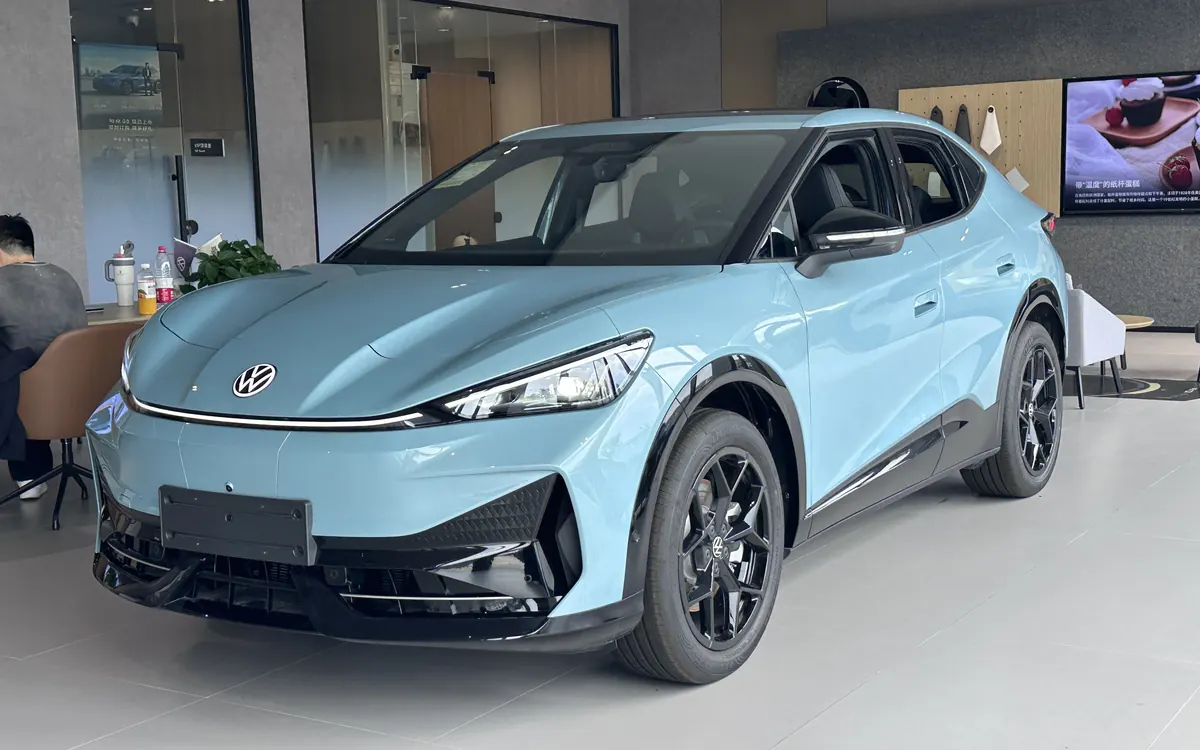
Volkswagen has taken a step toward cars that can drive themselves in limited conditions in China. Volkswagen Group China now holds a permit to test Level 3 (L3) automated driving on public roads in Hefei, and it says testing is already under way, Electrek reports. The permit also allows large-scale collection of driving data in the city.
What VW has and hasn't said
VW says the permit was issued under China's strictest L3 framework and that its setup meets the country's latest mandatory safety design standards. It did not say which authority issued it, how many test cars are involved or which roads they can use.
The key limit is simple: this is a road-test permit, not a sales approval. No VW customer can buy an L3 car because of it. The company's stated goal is L3 technology readiness in China by 2027, and in July VW and its partners targeted the start of L3 deliveries in the second half of that year.
Who builds the system
- CARIZON, VW's intelligent-driving unit in China, which began as a joint venture between CARIAD and Horizon Robotics, develops the software. Its driver-assistance stack is called Hyper Sense 8 (HS8).
- GAIA 2.0, a world model VW built itself, runs simulations that VW says equal 5 million km of safety testing per day, using about 30 million real-road clips. VW wants to reach 10 million km per day.
- VW is also developing its own C7H system-on-chip, which it says can support up to Level 4.
Hefei is home to the Volkswagen China Technology Company, VW's largest R&D centre outside Germany, which hosts the group's first China Technology Day this Wednesday.
Why Level 3 matters
At Level 3, the car drives itself in defined conditions and the carmaker, not the person in the seat, is responsible while the system is engaged. That is why so few companies offer it and why existing systems are tightly limited to certain roads and speeds. Our explainer on self-driving levels from 0 to 5 shows exactly where the line between Level 2 and Level 3 sits.
VW is catching up rather than leading. China granted its first L3 product approvals in December 2025 to a Changan sedan and a BAIC Arcfox model, and GAC's Hyptec and XPeng already have L3 test permits. In the West, Electrek notes that Mercedes-Benz's Drive Pilot is the only certified L3 system on sale, while Tesla's FSD remains Level 2. VW's ties with XPeng also run deep: it owns about 5% of the company and co-developed its China electrical architecture, CEA, with the startup. For one product of that partnership, see the ID. UNYX 09 launch.
Which sensors such systems rely on is a debate of its own; see lidar vs cameras for self-driving.
More from Cars & EVs
View all →Read next
Samsung reportedly cuts Galaxy A output 20% on memory costs
ETNews says Samsung is cutting Galaxy A production by about 20%, roughly 10 million phones, to favour flagships as memory and chip costs squeeze margins.

NASA's PACE satellite tracks fall foliage colour worldwide
NASA's PACE satellite maps fall leaf colour across the planet every day or two. How its hyperspectral OCI sensor sees reds and yellows, and how you can help.
How to choose a tablet in 2026: iPad, Android or Windows?
Tablet buying guide 2026: iPad vs Android vs Windows, screen size, OLED vs LCD, RAM and storage, stylus and keyboard costs, cellular and software updates.