Windows 11's new APX toggle needs CPUs that aren't out yet
Windows 11 Insider build 29695 adds a switch to let Windows use Intel APX for better performance, but no current Intel or AMD PC supports it. Here's why.
LandGadget Newsroom · · 3 min read
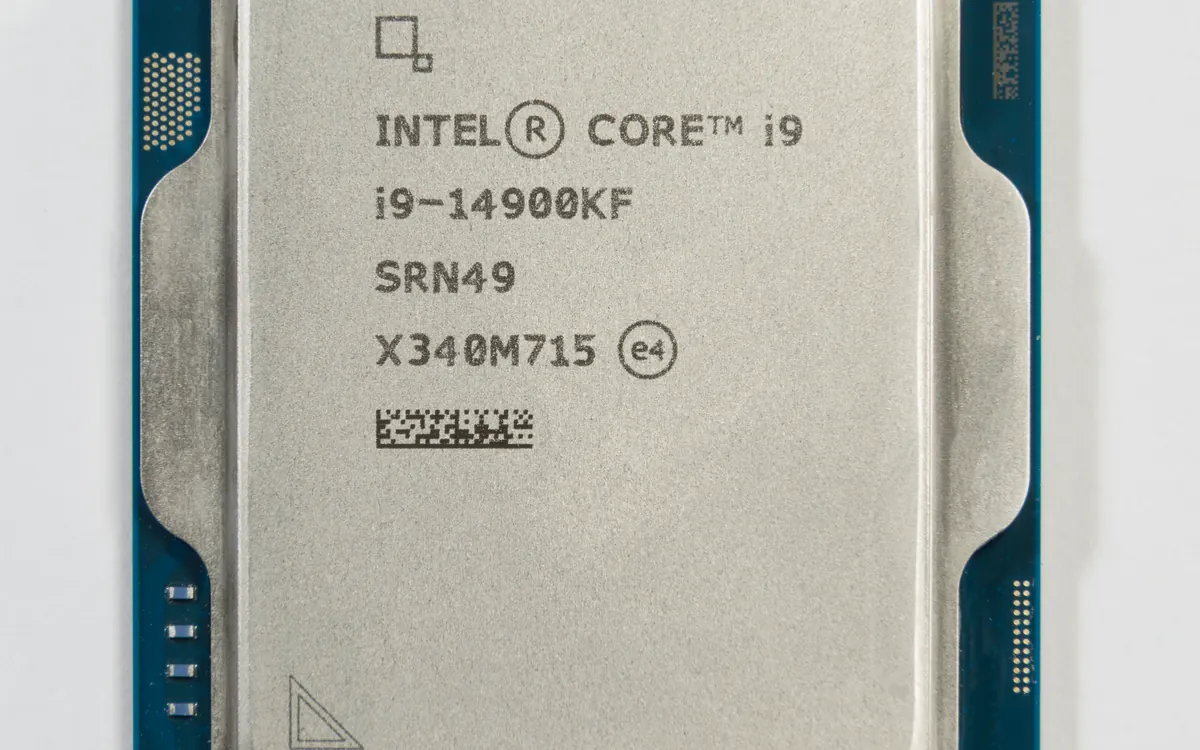
A new switch in Windows 11 promises "better performance", but nobody can use it yet. Windows Latest spotted a setting called "Let Windows use APX for better performance" in Insider build 29695, released to testers on October 23. It only does something on processors that support Intel's Advanced Performance Extensions (APX), and none of those are on sale.
What APX actually is
APX is an extension to the x86 instruction set that Intel first described in 2023. Its headline change is simple: it doubles the number of general-purpose registers from 16 to 32. Registers are the tiny, very fast storage slots inside a CPU core. With more of them, compiled code can keep more values close at hand instead of shuffling them to and from memory.
Intel's own figures, from a prototype, say code compiled for APX had about 10% fewer loads and more than 20% fewer stores than the same code built for the standard 64-bit baseline, plus roughly 10% fewer instructions. APX also adds instructions that help software avoid some hard-to-predict branches, which cost time when the CPU guesses wrong. Those numbers describe the code, not the speed of your PC, and Microsoft hasn't shared any benchmarks for the toggle.
Which processors will support it
- Intel Nova Lake, the next consumer CPU family, is listed with APX in GCC's compiler documentation and is the one to watch for laptops and desktops.
- Intel Diamond Rapids, a Xeon server family, has documented APX support.
- Current chips can't get it. Alder Lake, Raptor Lake, Meteor Lake, Lunar Lake, Arrow Lake and Panther Lake lack the hardware, and no Windows update can add it.
AMD has talked about APX as part of its x86 work with Intel, but it hasn't named a Ryzen generation that will support it.
Will your apps get faster?
Not automatically. Intel says developers need to recompile their software to use APX, though it expects source code changes to be unnecessary. So the gains will arrive app by app, and only on new hardware.
For people on existing PCs, Windows Latest points to the Low Latency Profile instead: a brief CPU boost when you open Start, search or apps, which Microsoft has been expanding since mid-2026 and which works without new silicon.
Our take
APX is a real architectural change, not a marketing badge, but it's a 2027 story. If you're buying a laptop now, the things that matter more today are memory, the GPU and, for AI features, the NPU. Our guide to laptops for local AI and our NPU explainer cover what to look for, and our report on Intel's Razor Lake plans shows where its roadmap goes next.
More from Computers & AI
View all →Read next

NASA's PACE satellite tracks fall foliage colour worldwide
NASA's PACE satellite maps fall leaf colour across the planet every day or two. How its hyperspectral OCI sensor sees reds and yellows, and how you can help.

Lidar vs cameras for self-driving cars: which is better?
Lidar vs cameras vs radar: how each self-driving sensor works, why Tesla uses cameras only while Waymo, Mercedes and the Rivian R2 add lidar, and what it means.

Satellite texting on phones: how it works, what you need
How satellite texting works on iPhone and Android, which phones and carriers support it, how fast messages go, what it costs and how to set it up before a trip.