Rivian expands Redwood Materials deal to recycle scrap and end-of-life packs
Redwood will take Rivian manufacturing scrap and retired EV batteries, reuse packs for storage where possible, and keep building on a 10 MWh second-life system in Illinois.
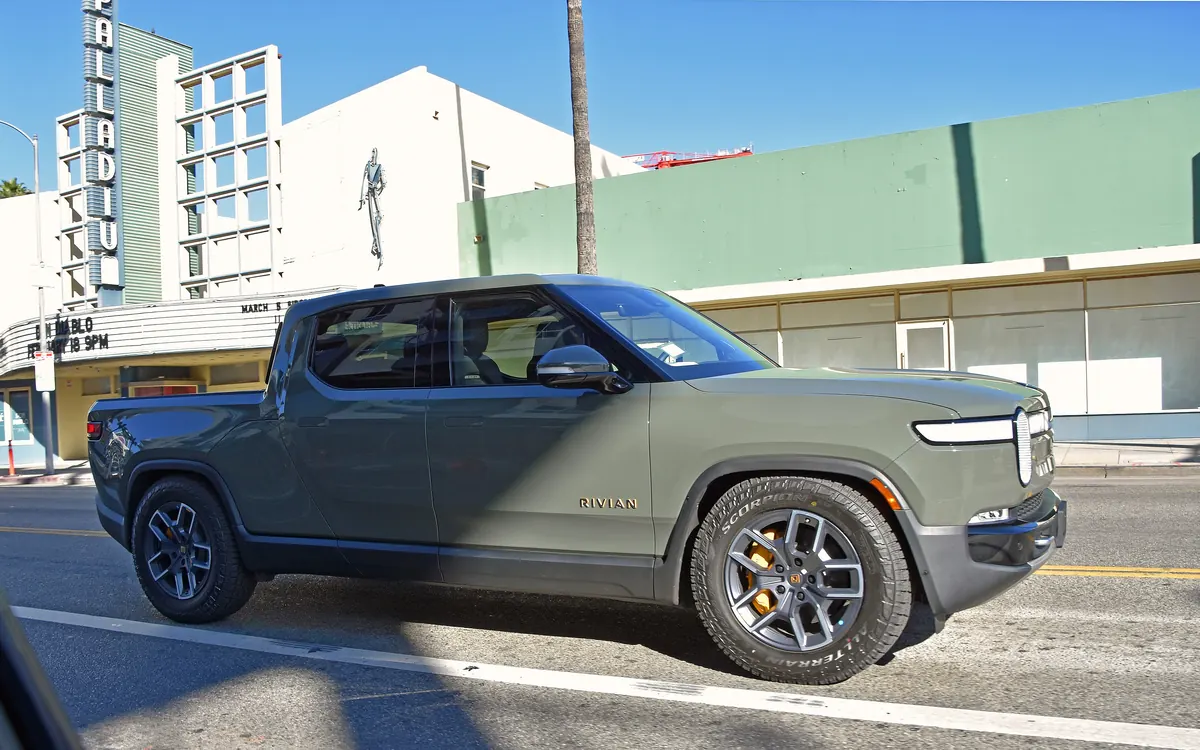
Rivian and Redwood Materials are widening a partnership that already covers second-life energy storage, Rivian said in a newsroom release dated 14 October 2026. Redwood will now recycle manufacturing battery scrap from Rivian’s plants and handle end-of-life packs from vehicles, alongside storage deployments at the automaker’s Normal, Illinois factory.
What changes
Through Rivian’s nationwide service centres, Redwood collects packs that are no longer suitable for on-road use. Each pack is assessed: some are repurposed for stationary storage at Rivian sites or elsewhere; others are recycled. The new scope adds scrap generated during manufacturing to that recycle stream.
The companies say this builds on work announced in April 2026 to deploy 10 MWh of storage made from more than 100 repurposed Rivian packs at the Illinois plant.
Why Rivian and Redwood frame it as “lifecycle”
CEO RJ Scaringe called giving packs a second life in storage “a massive unlock for the energy transition.” Redwood founder JB Straubel said packs returning to Redwood can feed both domestic grid storage and critical materials. Rivian’s release claims Redwood can recover lithium, nickel, cobalt and copper at rates exceeding 95% — a company claim, not an independent audit cited in the note.
Second-life storage can charge when power is cheap or renewables are abundant and discharge when demand peaks, easing stress on constrained grid connections that manufacturers often wait years to secure.
Frequently asked questions
Does this mean every retired Rivian battery becomes a power wall?
No. Redwood evaluates each pack: some go to storage, others are recycled. The companies do not publish a fixed split.
Is the 10 MWh Illinois system new today?
No. Rivian says today’s expansion builds on the April 2026 announcement of that 10 MWh second-life deployment.
Where do end-of-life packs come from?
Rivian says Redwood collects them through Rivian’s nationwide service-centre network when packs are no longer suitable for vehicle use.
For owners, the practical takeaway is quieter: there is a clearer path for packs leaving service vehicles and factory scrap into US recycling and storage — if the partnership scales as described.
More from Cars & EVs
View all →Read next
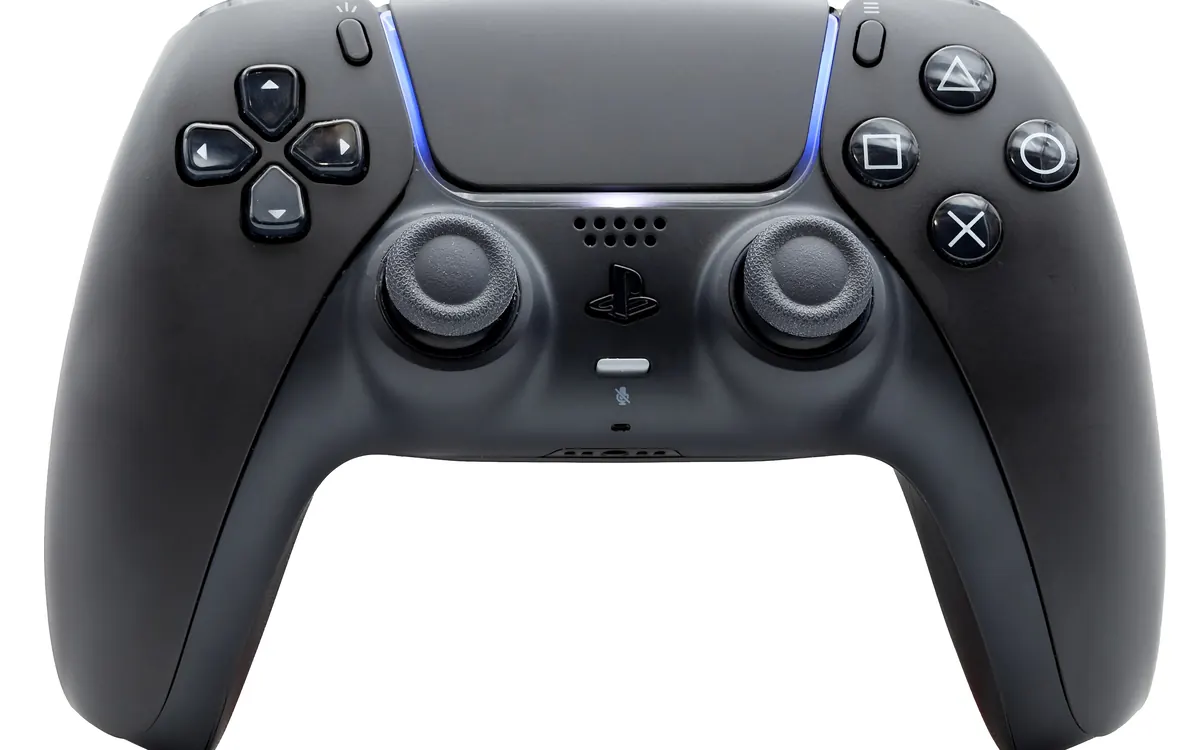
GTA VI launch trailer is live — five weeks to November 19
Rockstar dropped the Grand Theft Auto VI Launch Trailer on 15 October, with new PS5-captured footage and a debut score track, ahead of the 19 November release.
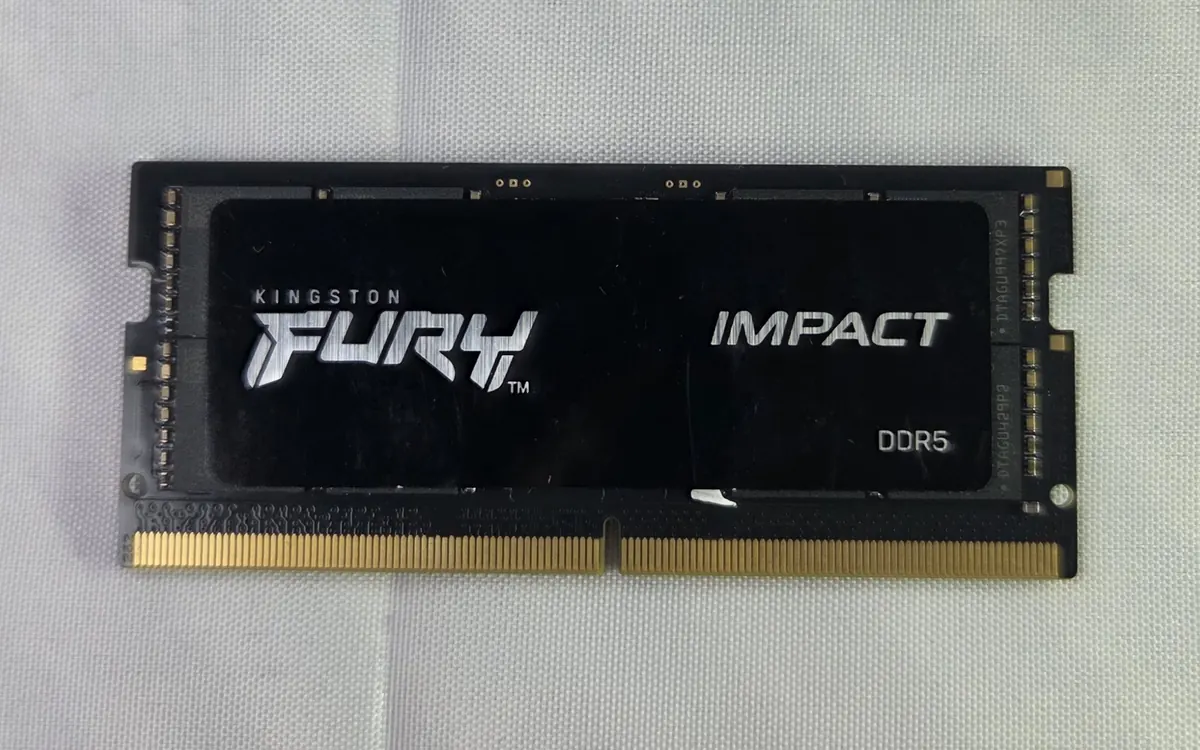
How much RAM do you need in 2026? 8, 16, 32 or 64 GB explained
What RAM does, how to tell if you're running out, and how much memory to get for browsing, office work, gaming, video editing and local AI in 2026.
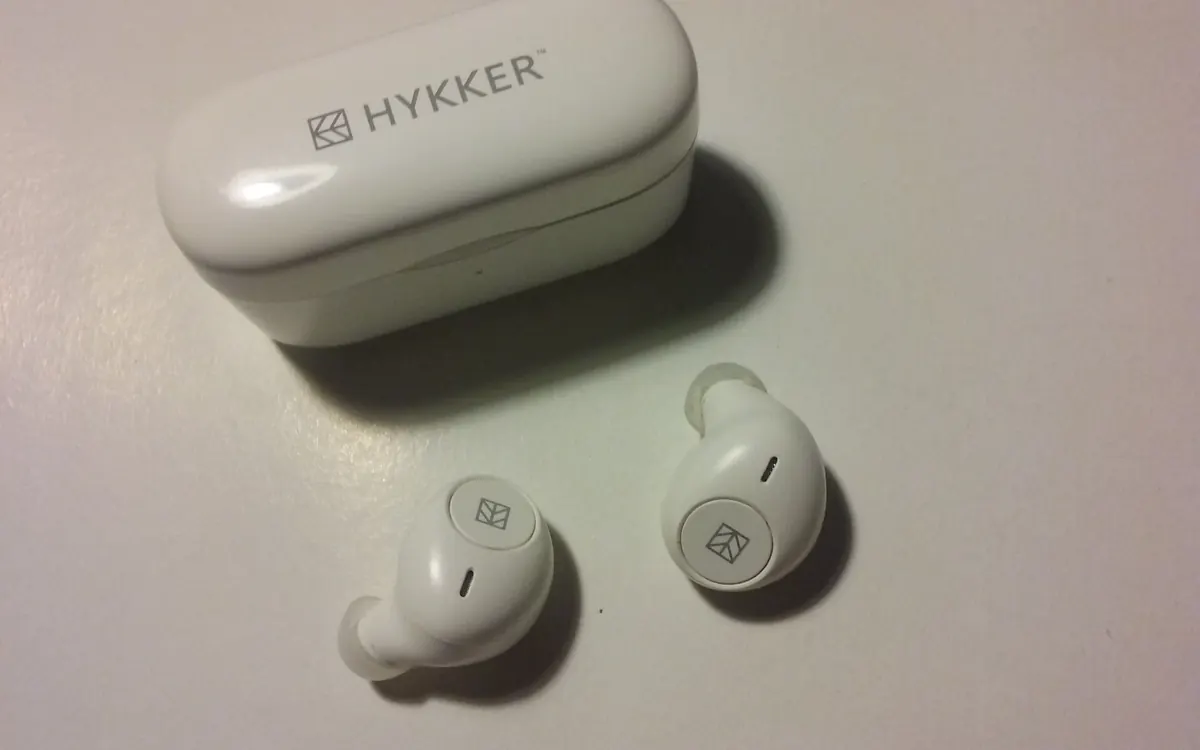
How to choose wireless earbuds in 2026
Fit, ANC, codecs, battery, multipoint and IP rating: a practical buying guide to true wireless earbuds without invented lab scores or brand rankings.