How to choose wireless earbuds in 2026
Fit, ANC, codecs, battery, multipoint and IP rating: a practical buying guide to true wireless earbuds without invented lab scores or brand rankings.
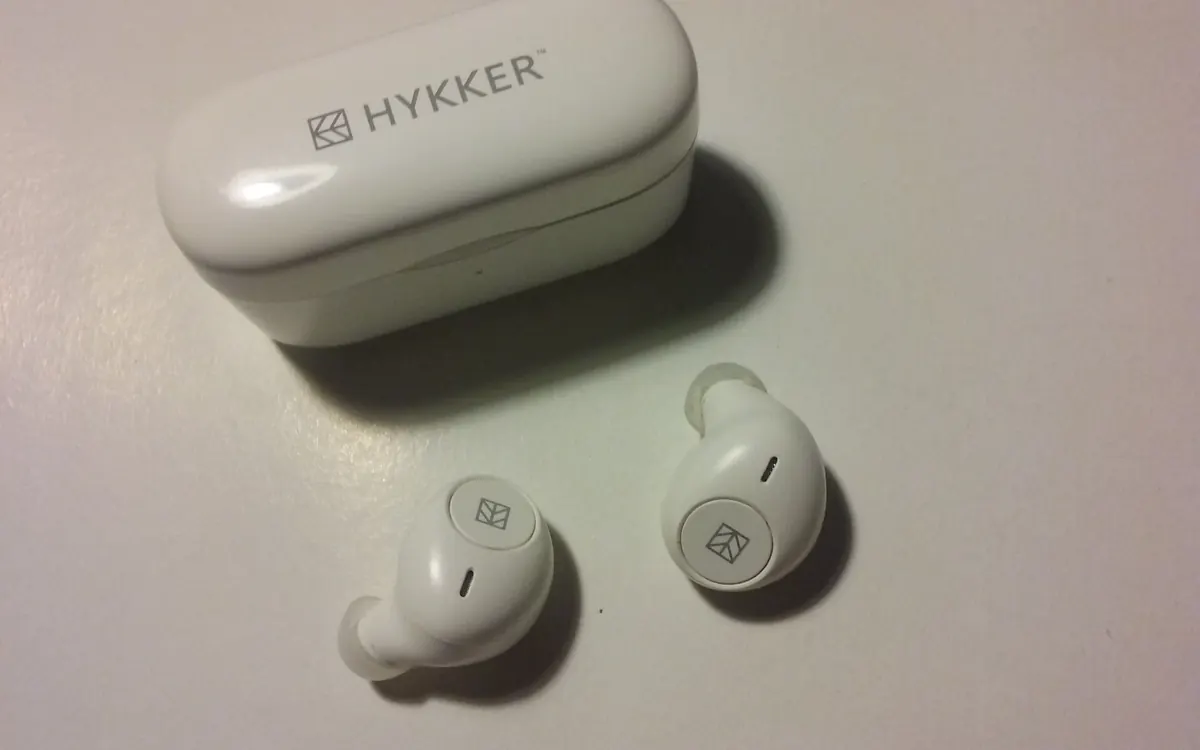
Quick verdictStart with a secure, comfortable fit and a return window. Then match ANC, codecs and battery to how you commute, work and exercise — not to the loudest marketing claim.
Jump to the verdict ↓On this page
True wireless earbuds are everywhere, and the feature lists look identical until you wear them for a week. Comfort, seal, battery behaviour and how they talk to your phone matter more than a single “best” badge. This guide walks through the decisions that actually change daily use — without invented lab numbers or ranked product lists.
1. Fit and seal beat every other spec
If the tips do not seal, bass collapses, ANC weakens and calls sound thin. Most kits include several silicone sizes; some add foam tips. Try them in a quiet room: play music at a moderate level and gently nod and jog in place. If an earbud slips or the sound stage “opens” when you move, the tip is wrong or the shell shape is a poor match for your ear.
2. ANC, transparency and wind
Active noise cancellation helps on planes, metros and open offices. Transparency / ambient modes let you hear announcements without removing the buds. Wind noise on outdoor runs is still a weak spot for many designs — outdoor-focused models often tune mics differently. Treat ANC marketing adjectives as marketing; judge by how you hear traffic and HVAC after a few days.
3. Codecs and your phone ecosystem
Audio codecs decide maximum wireless quality and latency between phone and earbuds:
| Typical use | Watch for | |
|---|---|---|
| SBC / AAC | Default on most phones | Fine for podcasts and casual music |
| aptX / aptX Adaptive (Android, Qualcomm) | Lower latency, higher bitrates when both sides support it | Needs a compatible Android phone |
| LDAC (Android, Sony ecosystem) | Higher potential bitrate over Bluetooth | Needs LDAC on phone and earbuds; can be unstable in crowded RF |
| LC3 / LE Audio | Newer Bluetooth audio stack on supporting devices | Only helps if phone and earbuds both implement it |
iPhone users are largely on AAC. Android users should check whether the phone and earbuds share aptX, LDAC or LC3. Multipoint (two devices at once) is handy for laptop + phone; confirm it works with your OS versions.
4. Battery, case and fast charge
Look at earbud runtime with ANC on and total with the case, plus whether a short plug-in adds a usable hour. Cases differ: USB-C only, wireless charging, or both. Compact cases vanish in a pocket; larger cases often hold more recharges. Replaceable tips are common; fully repairable earbuds are still rare — check whether the maker sells spare tips and wings.
5. Calls, IP rating and controls
Mic quality varies wildly in wind and offices. If calls matter, read recent owner comments about your specific model rather than trusting a single demo video. IPX4 is a common sweat/splash rating; higher numbers help in heavy rain but do not make buds swim-proof unless the maker says so clearly. Prefer physical or reliable touch controls you can use with gloves if you commute in winter.
+ Pros
- A good seal improves bass, ANC and call pickup more than a codec upgrade alone
- Multipoint and a clear transparency mode reduce daily friction
- IP sweat rating plus spare tips extend real-world life
− Cons
- Strong ANC can feel odd or cause pressure for some wearers
- High-bitrate codecs need matching phone support and a clean Bluetooth environment
- Tiny cases trade battery headroom for pocketability
6. Budget brackets (no product picks)
Prices move, but the jobs of each bracket stay similar:
- Entry: solid fit, decent calls, basic ANC or none — fine for podcasts and gym playlists.
- Mid: usable ANC, multipoint, better mics, wireless charging on many models.
- Premium: stronger ANC tuning, better wind handling, richer app EQ, sometimes better repair/spare-part programmes.
Ignore fabricated “scores.” Compare return policies, firmware update history and whether the companion app is required for basics.
Our verdict
Fit first, then ANC and battery for your routine, then codecs that your phone actually supports
Spend your time on fit and a return window, then match ANC / transparency, case battery and codecs to the phone you already own. Skip ranked “top 10” lists that invent lab winners — your ears and commute are the real test.
Frequently asked questions
Do I need the most expensive ANC?
Not for quiet homes or podcasts. Mid-range ANC is enough for many metro rides; try before you stretch to flagship prices.
Are wired IEMs obsolete?
No. Wired still wins for zero battery anxiety, lower latency for some instruments, and consistent quality. Wireless wins for commuting and calls.
Should I buy buds sold only as a phone bundle?
They can be good value, but check tip assortment, ANC behaviour and whether you can buy spare tips later.
More from Smartphones
View all →Read next
GTA VI launch trailer is live — five weeks to November 19
Rockstar dropped the Grand Theft Auto VI Launch Trailer on 15 October, with new PS5-captured footage and a debut score track, ahead of the 19 November release.
How much RAM do you need in 2026? 8, 16, 32 or 64 GB explained
What RAM does, how to tell if you're running out, and how much memory to get for browsing, office work, gaming, video editing and local AI in 2026.
How to choose a home EV charger: power, phases, smart features and safety
Granny cable or wallbox, 7.4 or 11 kW, tethered or socket, smart tariffs and RCD protection: what to check before you buy and install a home EV charger.