How to choose a gaming headset in 2026: wired, wireless and what actually matters
A practical buying guide to gaming headsets: closed vs open cups, wired vs wireless, mic quality, spatial audio claims, and comfort — without fake scores or invented specs.
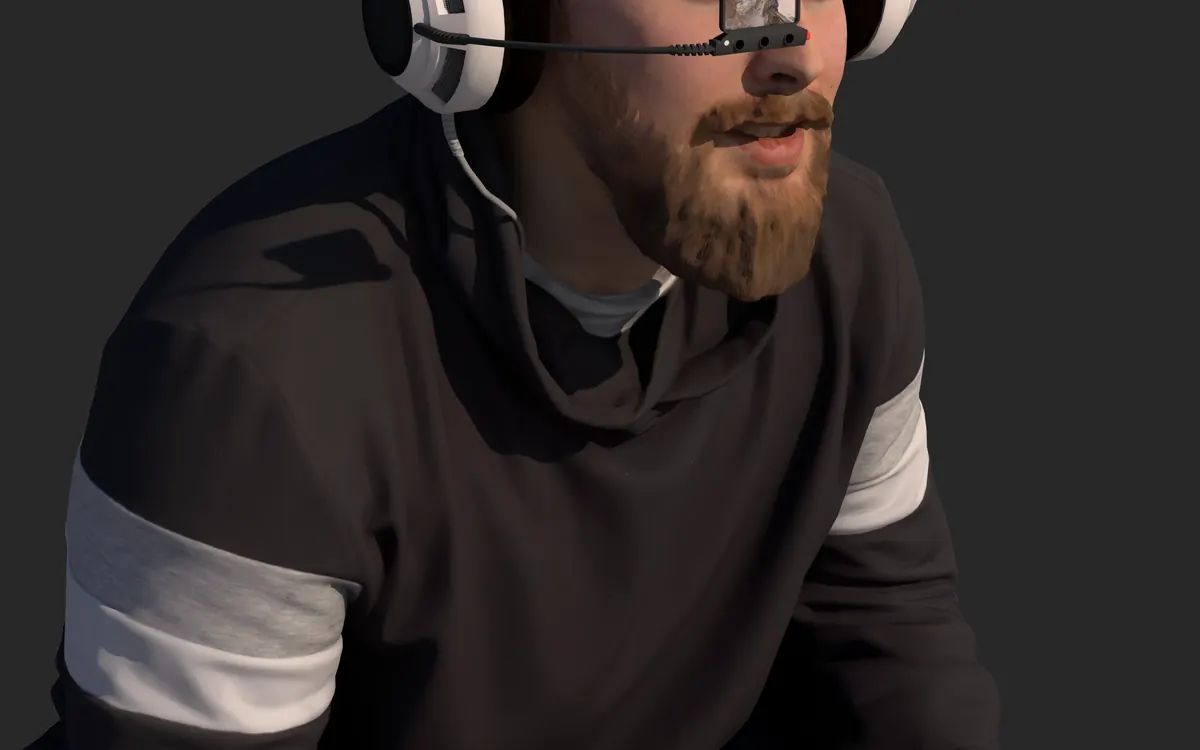
Quick verdictPrioritize fit and a clear mic, then decide wired vs wireless for your desk — ignore marketing scores you cannot verify.
Jump to the verdict ↓On this page
A gaming headset is just headphones plus a microphone aimed at chat and game audio. The hard part is not picking a “best” model from a ranked list — it is matching fit, connection type and mic clarity to how you actually play. This guide explains the choices without invented benchmarks or prices.
Wired vs wireless vs Bluetooth
| Wired (3.5 mm / USB) | Gaming wireless (dongle) | Bluetooth | |
|---|---|---|---|
| Typical use | PC, consoles with a jack/USB | PC and many consoles via USB dongle | Phones, tablets, casual PC |
| Latency | Usually lowest | Designed for games; still higher than a short cable | Often higher; varies by codec |
| Power | None / USB bus power | Needs charging | Needs charging |
| Best when | You sit at a desk and want simplicity | You want freedom to lean back | You already live in Bluetooth audio |
Many “gaming wireless” headsets use a proprietary 2.4 GHz USB dongle, not Bluetooth. That usually works better for games than Bluetooth, but you still manage a battery and a spare USB port. If your PC only has USB-C ports, confirm whether the dongle needs an adapter.
Closed cups, open cups and ear tips
Most gaming headsets are closed-back over-ear cups: they block more room noise and keep game audio from leaking as much. Open-back designs can sound more spacious but leak sound and pick up the room — awkward for voice chat in a shared flat. In-ear gaming sets exist too; they travel well but comfort is personal.
Padding, clamping force and headband shape decide whether you can wear the headset for a three-hour raid. No review score replaces trying a returnable model if you can.
The microphone is half the product
Teammates care about whether they can understand you. Useful checks (from product pages and your own tests, not invented ratings):
- Is the mic a boom you can flip up to mute, or fixed in the cup?
- Does software offer a noise gate or sidetone (hearing your own voice)?
- Can you use the headset’s mic on your console or only on PC with proprietary software?
If you already own a good USB mic, a headset without a boom (or a muteable one you ignore) can be enough.
Spatial audio and “7.1” claims
Many products advertise virtual surround or branded spatial audio. These features depend on the game, the platform’s spatial stack and the headset’s tuning. They are not a substitute for clear stereo imaging of footsteps. Treat splashy surround badges as optional extras unless you can A/B them yourself.
Platform checklist before you buy
- PC: 3.5 mm combo jack, separate headphone/mic jacks (may need a Y-cable), USB audio or a dongle.
- PlayStation / Xbox / Switch: read the manufacturer’s compatibility list for your console revision; not every wireless dongle is licensed for every box.
- Mobile: Bluetooth codecs and mic behavior vary; a boom mic may not work the same way as on PC.
+ Pros
- One device for game audio and party chat
- Boom mics are convenient when you do not want a desk mic
- Wireless dongles free you from a cable tug
− Cons
- Poor fit ruins even expensive drivers
- Proprietary software can bloat a PC install
- Wireless means charging and another dongle to lose
Our verdict
Fit and mic first, then wired vs wireless for your setup
Start with comfort and a mic others can understand. Choose wired if you want the fewest variables at a desk; choose a gaming wireless dongle if you move a lot and accept charging. Ignore unverifiable “best headset 2026” scoreboards — compare return policies and real compatibility notes instead.
Frequently asked questions
Do I need a gaming headset if I already have headphones?
Not always. Good headphones plus a separate USB microphone often beat a mediocre headset. A gaming headset mainly wins on convenience and a boom mic.
Is more expensive always better for footsteps?
Not reliably. Cup seal, personal hearing and in-game audio settings matter a lot. Expensive models can still fit badly or sound muddy to you.
More from Gaming
View all →Read next
How much RAM do you need in 2026? 8, 16, 32 or 64 GB explained
What RAM does, how to tell if you're running out, and how much memory to get for browsing, office work, gaming, video editing and local AI in 2026.
How to choose wireless earbuds in 2026
Fit, ANC, codecs, battery, multipoint and IP rating: a practical buying guide to true wireless earbuds without invented lab scores or brand rankings.

How to choose a home EV charger: power, phases, smart features and safety
Granny cable or wallbox, 7.4 or 11 kW, tethered or socket, smart tariffs and RCD protection: what to check before you buy and install a home EV charger.