Google now lets connected Gmail data shape ads in Search
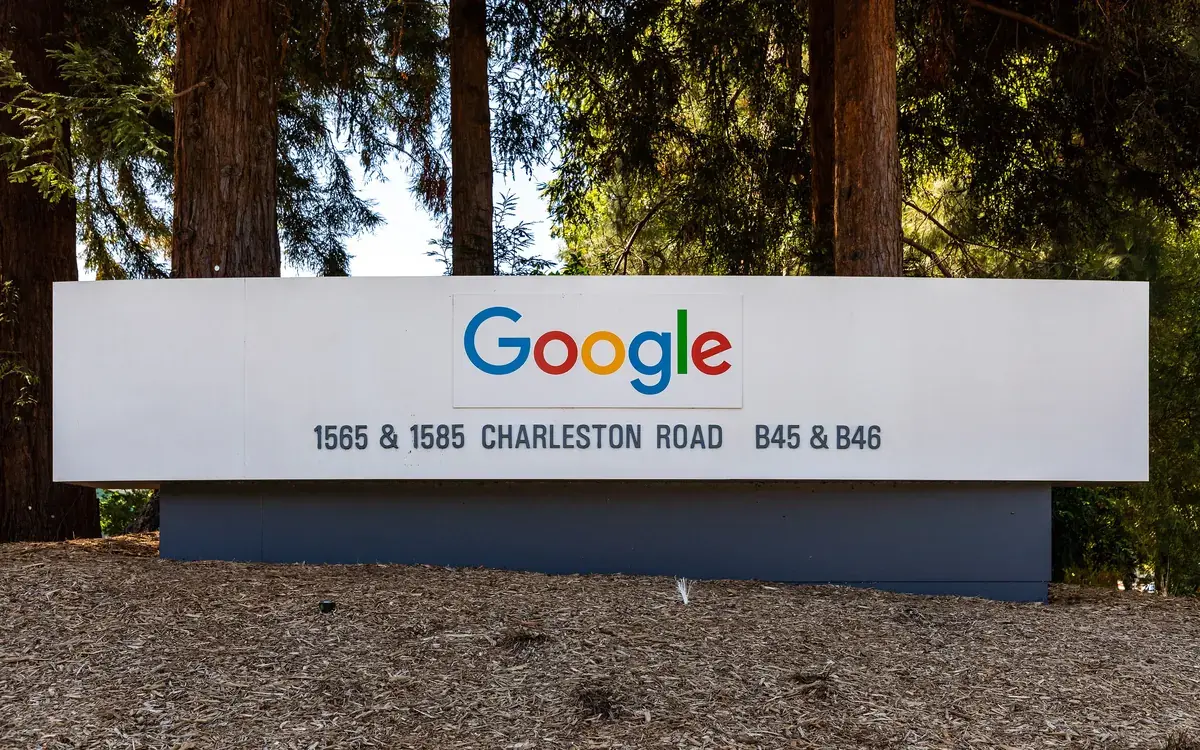
Google's 16 October privacy policy adds an exception: if you connect Gmail or Photos to Search via Personal Intelligence, inferences from them can shape ads.
LandGadget Newsroom · · 3 min read
On this page
Google has quietly changed one of its oldest privacy promises. Its privacy policy used to say, with no exceptions, that Google does not show personalised ads based on content from Gmail, Drive or Photos. The version that took effect on 16 October 2026 adds a condition: that holds "unless you choose to make data from these services available to other Google services that support personalized ads", Notebookcheck reports after comparing it with the 12 October version.
How your inbox can reach ads
The route Google describes is Personal Intelligence, the feature that connects Gmail and Google Photos to Search so AI Mode can tailor answers, for example by suggesting restaurants based on reservations in your email. We covered the same feature when it reached Gemini in Android Auto.
Google's help page says ads will not be based directly on your inbox or photo library. But Search may use summaries, excerpts and inferences drawn from them, and Google adds that "that same info may be used to show you ads". Advertisers do not get access to Gmail or Photos, and sensitive categories such as health, religion and sexual orientation stay excluded. A Google spokesperson told Search Engine Land that the company has started testing ads in AI Mode for people who connected their apps.
Training and human review too
The same connection lets Google use those summaries to train generative AI models, and some of them go to human reviewers. Google notes that for a short or highly relevant email, the "summary" can simply be the email itself. Disconnecting later does not delete what is already saved in your Search history; you have to remove it at activity.google.com.
Who is affected
Connected apps are limited to adults in supported countries, which include the US and much of Latin America, Asia and Africa. No EU country, the UK or Switzerland is on the list for now, so European users are not affected unless Google launches the feature there.
How to check your settings
In supported countries, look under Search Services Personalization in your Google Account, where Workspace apps and Google Photos can be disconnected separately. Personalised ads are managed in My Ad Center. Google's own advice is not to connect content apps that hold personal or confidential information you would not want used for AI training. For similar controls in other assistants, see our ChatGPT privacy settings guide.
Frequently asked questions
Does Google read my Gmail to show ads?
Not directly, according to Google. If you connect Gmail to Search through Personal Intelligence, Search can use summaries, excerpts and inferences from your email, and that information may also be used to personalise ads.
Does this apply in Europe?
Not for now. The connected-apps feature is not offered in EU countries, the UK or Switzerland, although the policy wording itself is global.
How do I turn it off?
Disconnect Gmail and Google Photos under Search Services Personalization in your Google Account, manage ads in My Ad Center, and delete saved data at activity.google.com.
More from Computers & AI
View all →Read next
NASA's new Artemis plan: Earth-orbit test, landing in 2028
Artemis III becomes a 2027 Earth-orbit test with both commercial landers, and the first crewed landing moves to 2028 with whichever lander is ready first.

Steam Personal Calendar leaves Labs: release dates for you
Steam's Personal Calendar is now a full feature: an 8-week list of upcoming releases picked from your playtime, with wishlist, DLC and Early Access filters.
Does a smart home work without internet? Local control
What keeps working when your internet goes down: cloud vs local control, how Matter, Zigbee and Thread help, and how to build one that survives outages.