Meta delays new business terms after AI scraping backlash
Meta's commercial terms, which publishers feared would let it crawl their sites for AI training, now take effect on 20 November instead of 30 October.
LandGadget Newsroom · · 2 min read
Meta is hitting pause on the business terms that alarmed news publishers. The company will now enforce its updated commercial terms from 20 November instead of 30 October, a Meta spokesperson told The Verge, following an earlier report by Fast Company.
Why publishers pushed back
The terms apply to businesses using Meta's platforms, which includes almost every news organisation. As we reported last week, the original wording authorised Meta to crawl and collect content from sites linked to those business accounts and use it to "train" its products, with no opt-out other than leaving Meta's services.
Meta has since removed the language about training, but legal experts argued that change alone doesn't rule out the content being used for AI. The pressure kept building this week:
- The News/Media Alliance sent a letter to Mark Zuckerberg on Thursday demanding revisions, warning the terms could cause "severe harm" to publishers.
- Advertisers and publishers in the EU and the UK urged regulators to force Meta to halt the new terms.
What Meta says now
Spokesperson Daniel Roberts said the delay is meant "to allow more time for us to explain to our partners and stakeholders what's changing and what's not." Meta wants to use the extra weeks to explain how it uses web crawlers, and stresses that content owners will still be able to signal their preferences with robots.txt, the file that tells bots which parts of a site they may crawl.
Note what hasn't happened: Meta has delayed the terms, not withdrawn them, and it hasn't announced further changes to the wording. Publishers that object still have until 20 November to make their case.
Why it matters beyond media
The fight is part of a broader argument over who gets to use web content to build AI models, and on what terms. Meta is also pushing its own models, such as Muse Wonder. If you're thinking about your own data, our ChatGPT privacy settings guide shows how to limit what a chatbot keeps.
More from Computers & AI
View all →Read next

‘Stupendously large’ black holes can’t be most of dark matter, study finds
Black holes heavier than whole galaxies would leave a grainy imprint on the cosmic microwave background. It isn't there, so they can't be a major part of dark matter.
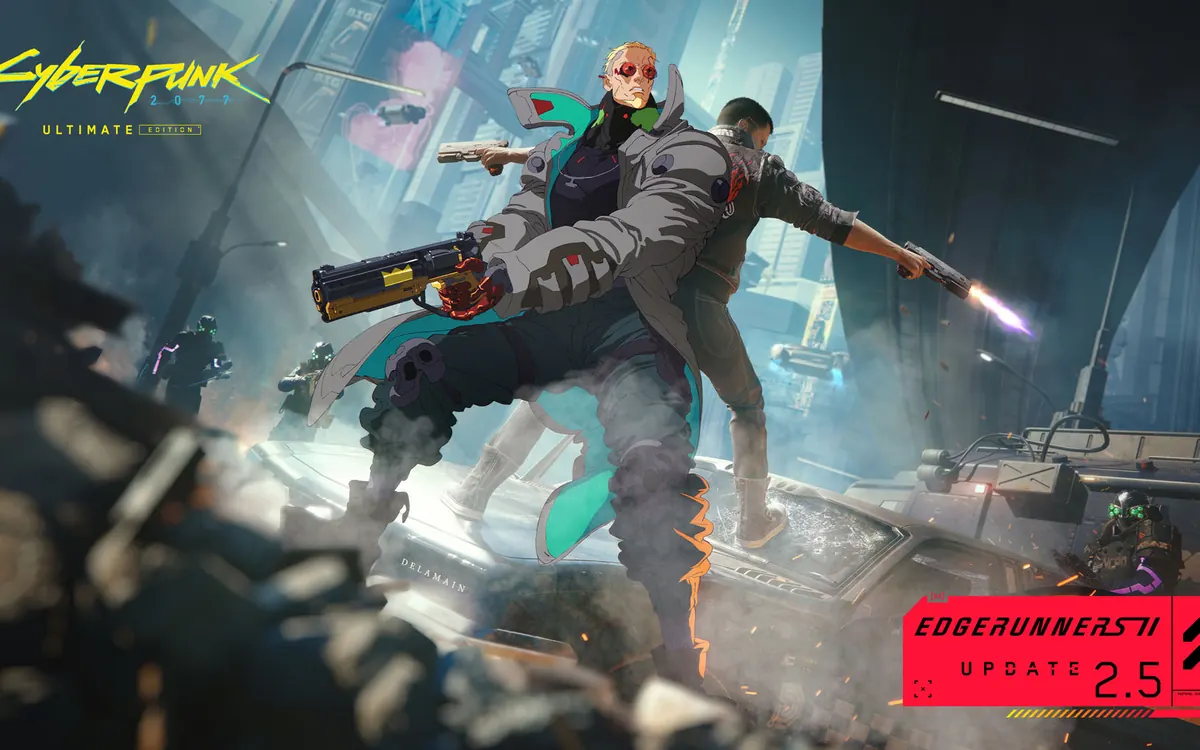
Cyberpunk 2077 update 2.5: dual wielding, mods and an Edgerunners 2 gig
CD Projekt Red's free Edgerunners 2 Update (2.5) adds dual-wielded pistols, cross-platform mods via mod.io, cyberware styling and a prequel quest to the new anime.

How to spot fake apps on Google Play before you install
Fake WhatsApp, Chrome and banking apps keep slipping onto Google Play. Learn the checks that expose a clone: developer, downloads, reviews, ads, permissions, Play Protect.