BMW invests over €100m in Steyr to build EV inverter power modules in-house
From summer 2029 BMW's Steyr plant will assemble the inverter power module for its Gen6 Neue Klasse e-motors in a new cleanroom line, cutting reliance on suppliers.
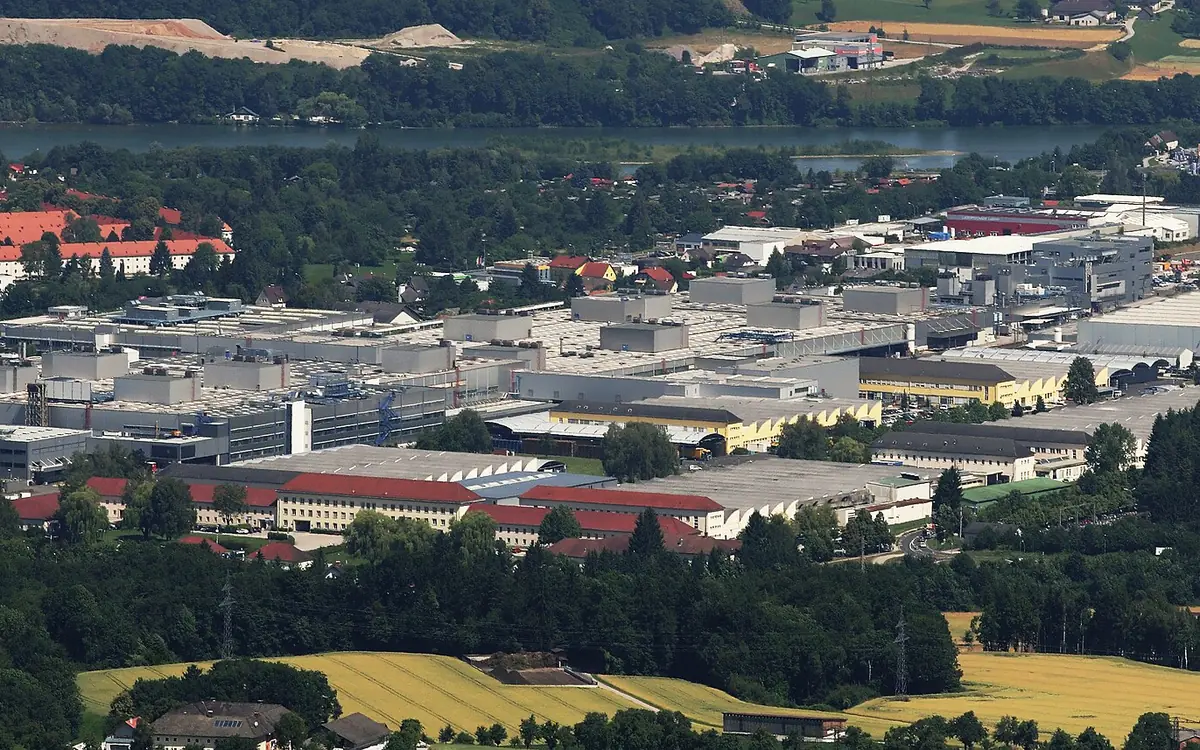
BMW is pulling one of the most expensive parts of an electric drivetrain in-house. The group said on 13 October that it will invest more than €100 million in its plant in Steyr, Austria, to build power modules for inverters, with production starting in summer 2029.
What the power module does
The inverter sits between the high-voltage battery and the motor. It turns the battery's direct current into the alternating current the motor needs, and it controls how much energy flows each way. Its core is the power module: a package of power semiconductors that switch high currents and voltages very quickly. The more efficiently it switches, the less energy is lost as heat, which matters for range.
Steyr already builds BMW's Gen6 electric motors for the Neue Klasse models on two lines. In future the plant will also handle the upstream supply chain for the power module and assemble it itself. The money goes into a new cleanroom assembly line and the infrastructure around it.
New processes for BMW
To join the module's ten individual parts, BMW will use large-area soldering and ultrasonic welding, processes the company says it has never used anywhere else in the group. Local broadcaster ORF quoted plant director Harald Gottsche as saying the module is the most expensive component in the inverter, so making it in-house puts the main cost levers under BMW's own control.
In BMW's announcement, Gottsche adds that building the module internally lets the company buy components such as semiconductors flexibly on global markets, "reducing dependencies in a geopolitically sensitive technology field".
Still an engine plant, too
The move continues Steyr's shift towards electric drives, which began in 2022, but the site hasn't dropped combustion engines. According to electrive, it still supplies more than a million petrol and diesel engines a year to BMW's vehicle plants. Austrian outlet Tips reports BMW wants Steyr to produce 600,000 electric drives a year in the future.
For EV owners the payoff is indirect: carmakers that control inverter design and production can tune efficiency and cost more closely. Curious how to look after the battery those inverters draw from? See our EV battery care guide.
More from Cars & EVs
View all →Read next

GTA VI launch trailer is live — five weeks to November 19
Rockstar dropped the Grand Theft Auto VI Launch Trailer on 15 October, with new PS5-captured footage and a debut score track, ahead of the 19 November release.
How much RAM do you need in 2026? 8, 16, 32 or 64 GB explained
What RAM does, how to tell if you're running out, and how much memory to get for browsing, office work, gaming, video editing and local AI in 2026.

How to choose wireless earbuds in 2026
Fit, ANC, codecs, battery, multipoint and IP rating: a practical buying guide to true wireless earbuds without invented lab scores or brand rankings.