Smartwatch buying guide 2026: how to choose the right one
How to choose a smartwatch in 2026: phone compatibility, battery life, health sensors, GPS, LTE, size, durability, software updates and subscriptions, with a simple checklist.
LandGadget Newsroom · · 6 min read
On this page
A smartwatch is one of the few gadgets you wear all day and night, so small choices — case size, battery life, which phone it works with — matter more than headline specs. This guide walks through what to check, in the order that actually rules models in or out, so you can narrow the field before reading reviews of individual watches.
We don't run our own lab tests; where we quote figures for a specific product, they come from the manufacturer. If you are still deciding between a watch and a simpler band, start with our fitness tracker vs smartwatch comparison.
1. Start with your phone
Phone compatibility decides more than any spec sheet:
- iPhone owners: Apple Watch is the only watch with full iMessage replies, deep Health app integration and seamless setup. Wear OS and other watches work with iPhone in many cases, but with fewer features and sometimes not at all on newer models.
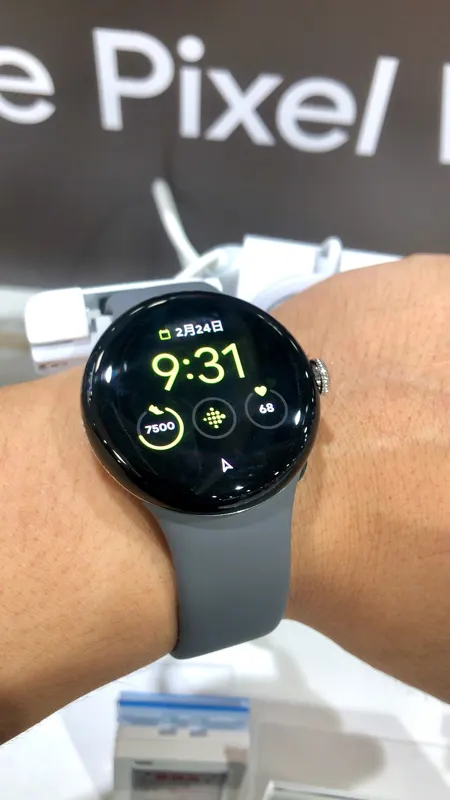
- Android owners: Apple Watch does not work at all. Choose between Wear OS watches (Google Pixel Watch, Samsung Galaxy Watch, others), sports-focused brands such as Garmin, Polar, Suunto and Coros, or long-battery watches from Huawei, Amazfit and Xiaomi.
- Samsung phones: some Galaxy Watch health features, such as ECG and blood-pressure apps, have historically required a Samsung phone. Check the current requirements for your region.
2. Decide how much battery life you need
Battery life splits the market into two camps. Full-featured smartwatches with bright OLED screens, app stores and LTE typically need charging every one to two days. Sports watches and "lite" smartwatches with simpler software often last a week or more, and some solar models longer still.
If you want sleep tracking, think about when you'll charge. A one-day watch works if you top it up during your morning shower; if you know you'll forget, choose a multi-day watch. Our smartwatch battery life tips explain which settings drain the most.
3. Health sensors: what's standard and what's extra
Almost every current watch measures heart rate, steps, sleep and workouts. Common extras:
- ECG and irregular rhythm alerts — cleared as medical features only on some models and in some countries.
- Blood oxygen (SpO2) and skin temperature — useful for trends, not diagnoses.
- Cardio fitness / VO2 max estimates — see how accurate VO2 max on a watch is.
The sensor list matters less than accuracy and how the app presents the data. Read how accurate smartwatch heart rate is and how sleep tracking works to know what to expect.
4. GPS, maps and sport features
If you run, cycle or hike, look for built-in GPS (not just "connected GPS" that borrows your phone), ideally dual-frequency GPS for better accuracy near tall buildings and trees. Check the maker's battery figure in GPS mode, not just in days. Offline maps and turn-by-turn navigation are useful on longer outdoor trips. For the gym, check whether you can pair a chest strap — the most accurate way to track heart rate during intervals.
5. LTE or Bluetooth only
LTE (cellular) watches use an eSIM so you can call, message and stream without your phone. They cost more, usually need a separate carrier plan and drain the battery faster when using mobile data. Most people are fine with a Bluetooth-only model. See our eSIM explainer for how carrier plans work.
6. Size, comfort and durability
- Case size: smaller cases are lighter and more comfortable to sleep in, but have smaller batteries and screens. Try both if you can.
- Water resistance: look for a rating suitable for swimming (e.g. 5 ATM or "swim-proof") if you swim.
- Screen glass: sapphire resists scratches better than standard glass, usually on pricier models.
- Straps: standard quick-release straps let you swap easily and cheaply.
7. Software updates and subscriptions
A watch can last years if the maker keeps updating it. Check how long the brand promises updates and whether the watch gets new features or just security fixes. Then check for subscriptions: some brands put coaching, deeper sleep and readiness insights or even syncing behind a monthly fee, so add it to the price.
8. Payments, apps and assistants
NFC payments are handy for runs and the gym; check your bank supports the platform (Apple Pay, Google Wallet, Samsung Wallet, Garmin Pay and so on). Voice assistants and third-party apps vary widely; if you rely on a specific app (Strava, Spotify offline, a smart-home app), confirm it's available for the watch platform.
| Type | Best for | Typical battery | Trade-off |
|---|---|---|---|
| Full smartwatch (watchOS, Wear OS) | Apps, replies, payments, LTE | 1–2 days | Frequent charging |
| Sports / outdoor watch | Running, hiking, GPS accuracy | 1–3 weeks | Fewer apps, plainer software |
| Long-battery 'lite' smartwatch | Health basics at lower cost | 1–2 weeks | Limited apps and replies |
| Fitness band | Steps and sleep, lowest price | 1–2 weeks | Small screen, few smart features |
Quick checklist
- Fully compatible with my phone?
- Battery life that fits when I'll charge (and GPS hours if I train)?
- Built-in GPS, chest-strap support, swim rating if I need them?
- LTE needed, or is Bluetooth enough?
- Case size I can sleep in comfortably?
- Update promise and subscription costs?
- Return window, in case it doesn't fit?
Frequently asked questions
What is the best smartwatch for an iPhone?
For full features — message replies, Health app integration and easy setup — Apple Watch. Some sports watches from Garmin, Polar or Coros also work well with iPhone if you care more about battery life and training data than apps.
What is the best smartwatch for Android?
There isn't one answer: Wear OS watches such as the Pixel Watch and Galaxy Watch offer the most apps and smart features; Garmin and similar brands offer longer battery and better sports features. Samsung phone owners get the most from a Galaxy Watch.
How long should a smartwatch last?
Most last three to five years in daily use. The battery usually fades first, and software updates eventually stop. Check the maker's update promise before you buy.
Is an LTE smartwatch worth it?
Only if you regularly want to leave your phone behind, for runs or errands, and still take calls or stream music. Otherwise a cheaper Bluetooth model does the same job.
Our verdict
Phone first, then battery, then sensors
Pick the platform your phone supports, decide whether you can live with charging every day, then compare health and sport features. For most people a Bluetooth-only watch in a comfortable size, with built-in GPS and no essential features behind a subscription, is the sweet spot.
More from Smartphones
View all →Read next
How long do robot vacuums last? Lifespan, parts and when to replace
How many years a robot vacuum really lasts, which parts wear out first (battery, brushes, filters), replacement intervals, signs it's time to replace, and how to extend its life.
IPS vs VA vs OLED (and TN): which monitor panel type should you buy?
IPS vs VA vs OLED vs TN monitors compared: contrast, colour, viewing angles, response time, burn-in and price, with the best panel for gaming, work and movies.
144Hz vs 240Hz: which refresh rate do you need?
60Hz vs 144Hz vs 240Hz explained: what refresh rate really changes, the frame rate your PC needs, which games benefit, and when 360Hz or 500Hz is worth it.