Smart TV tracking opt-outs may not work on Samsung and Vizio
A Northeastern study of 12 smart TVs found Samsung and Vizio sets kept sending ACR-like traffic after users opted out. LG, Sony and Fire TV opt-outs held.
LandGadget Newsroom · · 3 min read
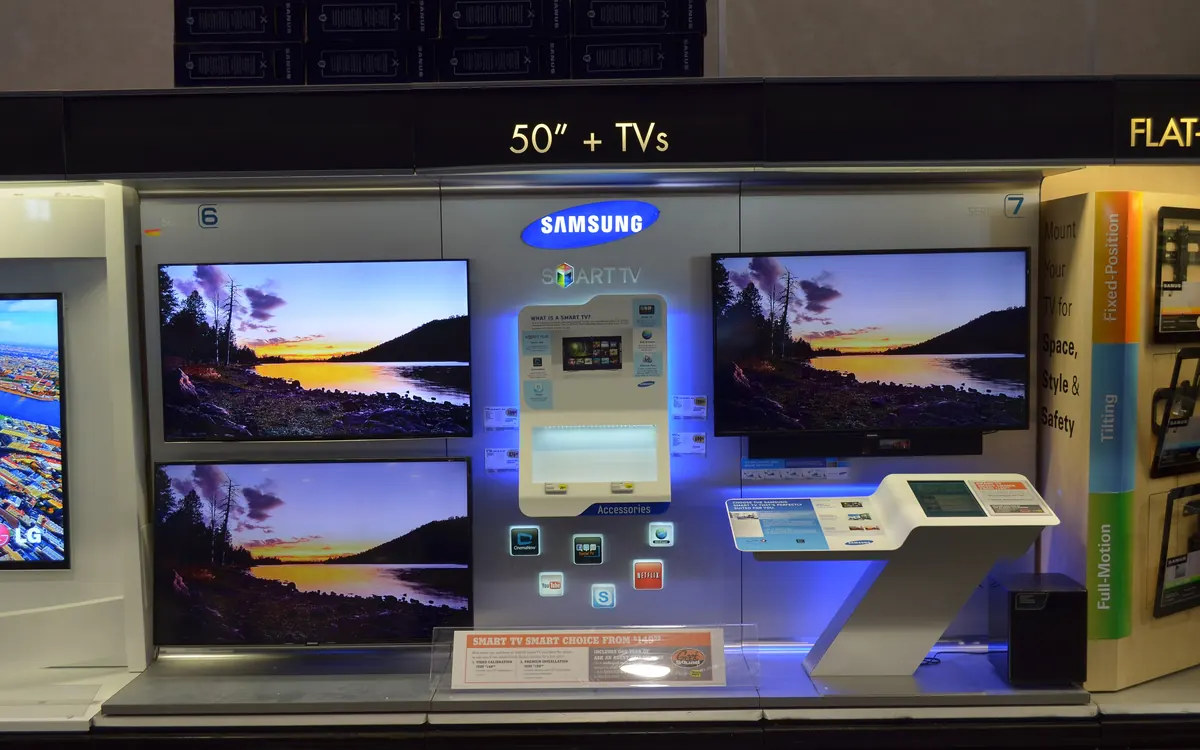
Most smart TVs watch what you watch. A feature called automatic content recognition (ACR) takes short samples of the picture or sound, matches them against a database and reports the result for audience measurement and targeted ads. Every big TV platform lets you switch it off, but a new study from Northeastern University suggests that on some TVs the switch does less than it promises, Ars Technica reports.
What the researchers did
The paper, Watching the Watchers, looked at 12 TVs from 10 brands running eight operating systems: Samsung's Tizen, LG's webOS, Sony's Google TV, Roku OS (on Roku and TCL sets), Vizio OS, Fire OS and VIDAA, among others. The team ran 5,943 controlled experiments, playing content through the TV's own apps, an antenna feed, HDMI and third-party apps, and recorded where the TVs sent data with tracking switched on and off. The lead author says the systems tested cover about 95% of smart TVs used in the US.
What they found
- Samsung (Tizen): after opting out, traffic consistent with ACR still appeared in all 30 tests with Samsung's own streaming service, 41 of 60 antenna tests and 18 of 30 HDMI tests. Samsung TVs also sent it in 6 of 30 Tubi tests.
- Vizio: traffic to the endpoint the researchers linked to ACR continued in every opted-out scenario, even when the TV sat idle.
- Roku: the opt-out worked for most inputs, but not inside the built-in Roku Channel. Roku's terms say so, and TCL's settings menu discloses it.
- LG, Sony Google TV, Fire TV and VIDAA: no ACR-like traffic was seen after opting out.
The traffic was encrypted, so the team couldn't see what it contained. The authors call it "suspicious" and say it points to potential privacy violations, not proven ones. Ars says it asked Samsung and Vizio for comment.
What you can do
The researchers recommend unplugging smart TVs from the network and using an external streaming device, or relying on the opt-out only where it proved effective. They also published a blocklist of ACR domains for router-level filtering. We've put the menu paths for every major brand in our new guide on how to turn off smart TV tracking, and our TV buying guide explains how to weigh the smart platform when you shop.
Our take
ACR isn't new, and neither are fines over it. What this study adds is evidence that the privacy toggle may not be the end of the story on some of the best-selling TVs. Until Samsung and Vizio explain the traffic, the safest setup is a TV that never gets the Wi-Fi password. It's the same kind of quiet default we flagged in Google's phone number verification on Android.
Frequently asked questions
What is ACR on a smart TV?
Automatic content recognition samples what is on screen or the audio, matches it against a database and reports what you are watching. It is used for audience measurement and targeted ads.
Which TVs kept sending data after opting out?
In the Northeastern tests, Samsung (Tizen) and Vizio TVs kept sending traffic consistent with ACR after the opt-out, and Roku did so inside the Roku Channel. The data was encrypted, so its contents could not be confirmed.
How do I stop my TV from tracking me?
Turn off ACR and ad personalisation in the TV's privacy settings, and for the strongest protection disconnect the TV from the internet and stream through a separate device.
More from Smart Home
View all →Read next

Dispatch hits iPhone and Android Dec 9, four episodes free
AdHoc Studio's superhero comedy Dispatch launches on iOS, Android and Google Play Games on PC on December 9: first four episodes free, full game $19.99.
How to update your router firmware safely: 8 steps
How to update router firmware step by step: find your exact model, back up settings, update via app or web page without bricking it, then lock down the router.

NASA's new Artemis plan: Earth-orbit test, landing in 2028
Artemis III becomes a 2027 Earth-orbit test with both commercial landers, and the first crewed landing moves to 2028 with whichever lander is ready first.