Best Earbuds for Running and the Gym: What to Look For
How to choose sports earbuds for running and workouts: secure fit, ear hooks or wings, IP rating for sweat, open-ear safety, controls, battery and heart-rate options.
LandGadget Newsroom · · 3 min read

On this page
Everyday earbuds that sound great on the sofa can be useless on a 10 km run: they loosen with sweat, the touch controls trigger every time you adjust them, and you can't hear a car coming. Here is what actually matters for sport.
A fit that survives jumping
Look for wing tips (fins) that brace against the ridge of your ear, or ear hooks that wrap over it. Try them with a quick jog and a few jumps on the spot within the return window. Foam tips grip better than silicone for many people when sweaty.
Sweat and water resistance
Check the IP rating: the second digit is water protection. IPX4 handles splashes and sweat; IPX5 survives water jets; IPX7/IP67 survives brief immersion. Note that the charging case is usually not rated — dry the buds before putting them back. Swimming needs dedicated waterproof players, not Bluetooth earbuds, because Bluetooth doesn't travel through water.
Awareness outdoors
On roads and shared paths, hearing traffic is a safety issue. Options: open-ear or bone-conduction headphones, or in-ear buds with a good transparency/ambient mode. One bud only is another choice if your earbuds support solo use. Our open-ear vs in-ear comparison goes deeper.
Controls you can use with sweaty hands
Physical buttons are more reliable than touch panels when you're wet or wearing gloves. If you choose touch, check the app lets you disable accidental taps or remap gestures.
Battery for your longest session
Most earbuds run several hours per charge; marathon or ultra training needs the longer end, and ANC shortens runtime. A case with quick charge helps when you forget to top up.
Connection with a watch or phone
If you run phone-free, check your smartwatch can store music or stream from a service and pair directly with earbuds. Keeping the phone on the same side of your body as the primary bud reduces dropouts — see our connection troubleshooting guide.
Heart-rate and fitness extras
A few earbuds measure heart rate in the ear. That's convenient, but a watch or chest strap is the usual reference. Compare options in fitness tracker vs smartwatch, and read what VO2 max on a smartwatch means.
Clean them after workouts
Sweat and earwax clog mesh and corrode contacts. Wipe after each session and follow our earbud cleaning guide weekly.
Frequently asked questions
What IP rating do I need for gym earbuds?
IPX4 is the practical minimum for sweat. Choose IPX5 or higher if you sweat heavily, run in rain or want to rinse them.
Are AirPods-style stem earbuds OK for running?
Many people use them happily, but fit varies. If they loosen when you jog, choose a model with wing tips or ear hooks.
Should I use noise cancelling while running outside?
It's safer to use transparency mode or open-ear headphones near traffic so you can hear cars, bikes and people.
More from Smartphones
View all →Read next

Best Monitor Size for Gaming: 24 vs 27 vs 32 Inch
What monitor size is best for gaming? Compare 24, 27, 32-inch and ultrawide screens by resolution, pixel density, desk distance, GPU power and the games you play.
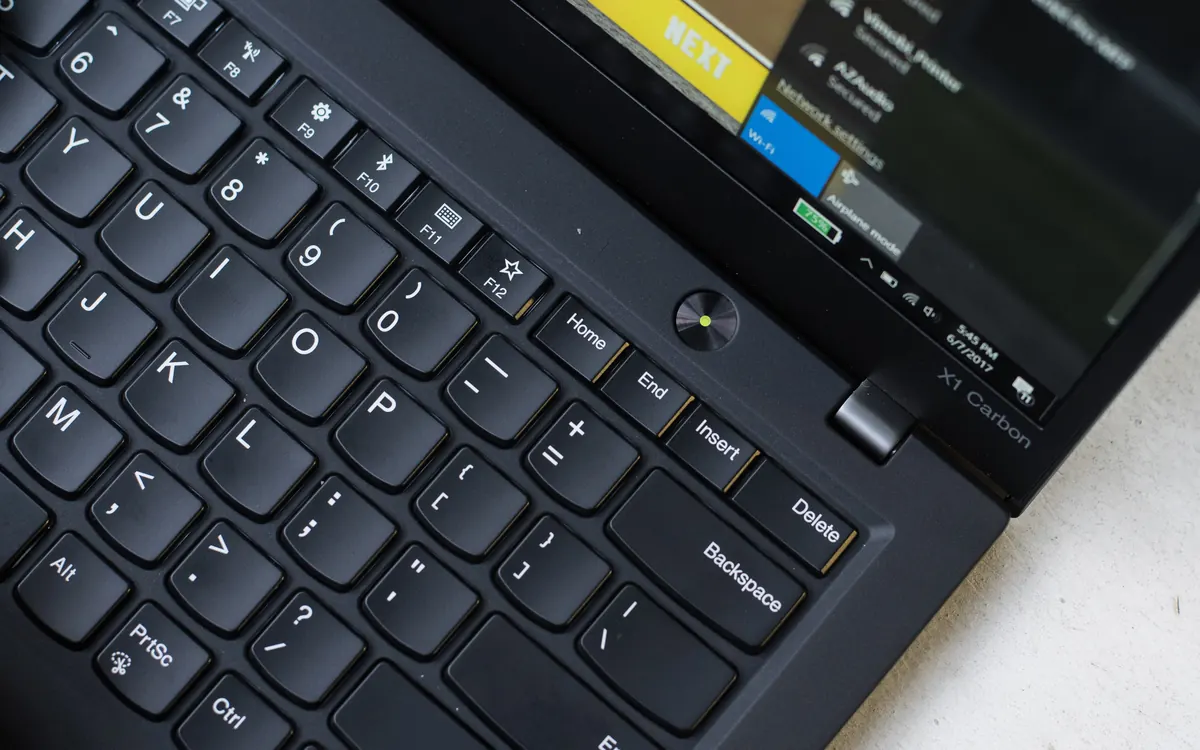
How to choose a laptop in 2026: a practical buying guide
How to choose a laptop in 2026: pick the right type, then CPU, RAM, storage, screen, battery and ports. Simple rules for students, work, gaming and creative use.
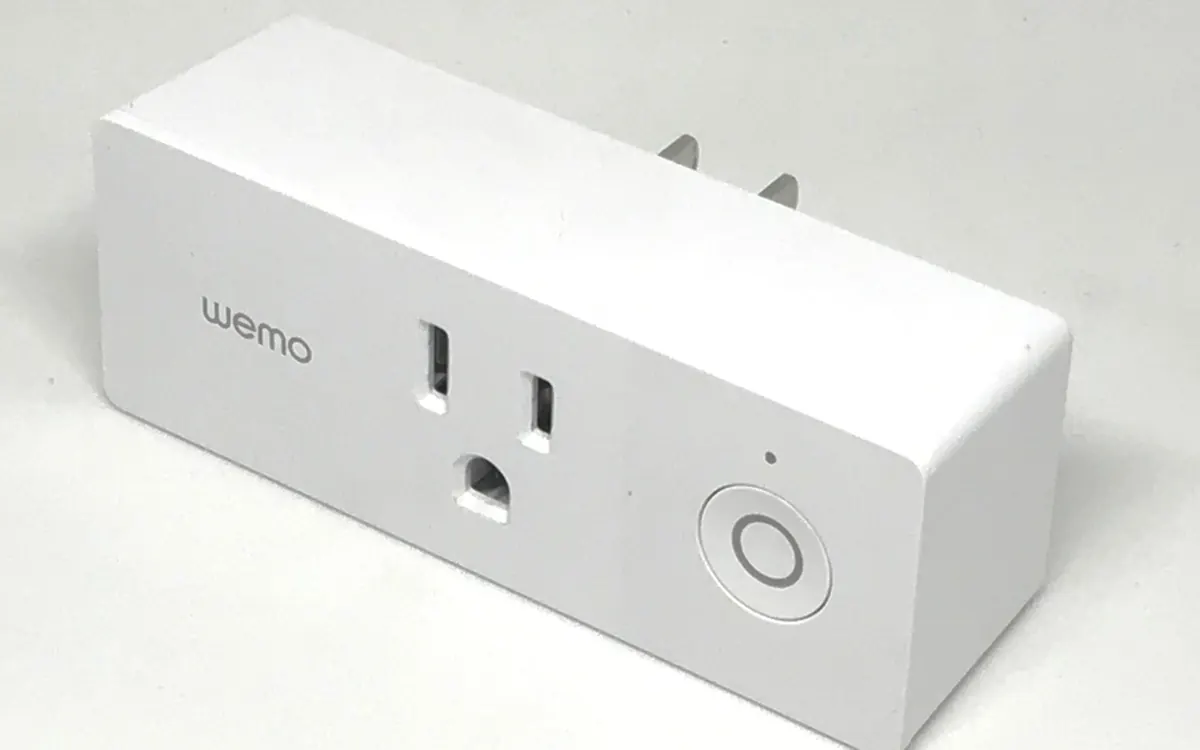
Smart plug buying guide: how to choose one in 2026
Smart plug buying guide: Matter vs Wi-Fi vs Thread, load ratings, energy monitoring, outdoor plugs, local control and what you should never plug in.