Europe’s first geostationary sounder, Meteosat-13, enters service
EUMETSAT’s MTG Infrared Sounder is now operational. Every 30 minutes it profiles temperature, humidity and gases to support earlier severe-weather warnings.
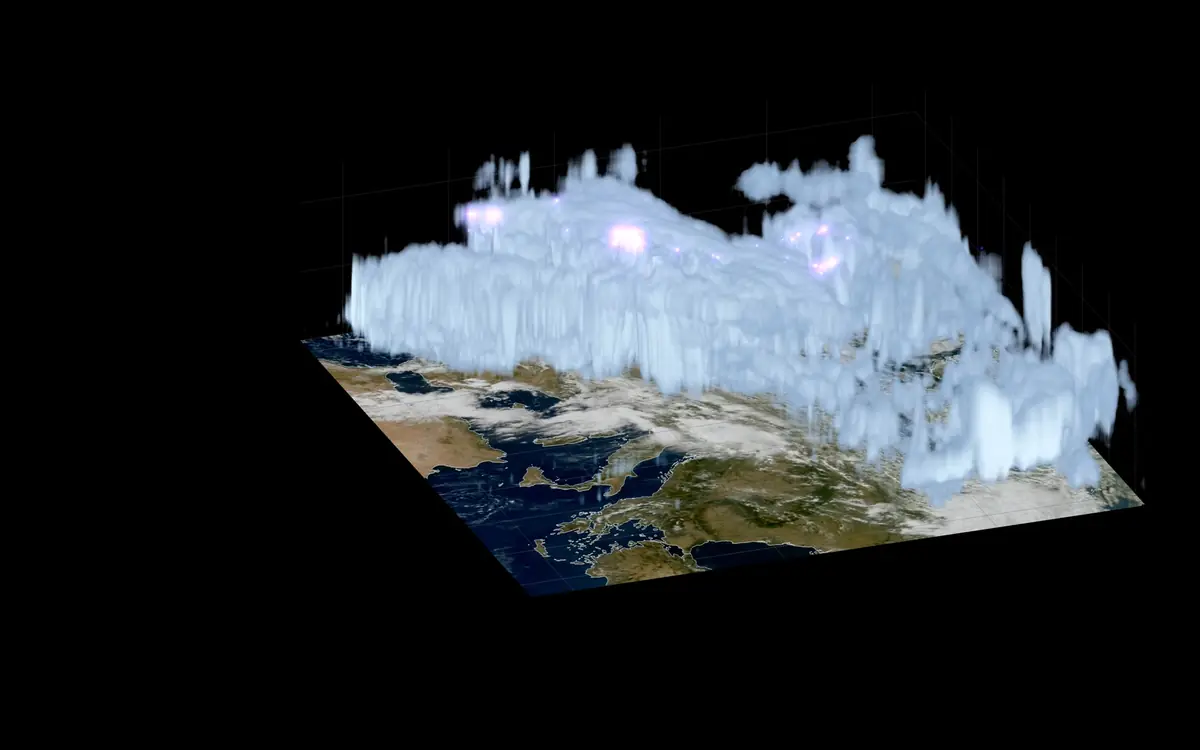
On this page
EUMETSAT says data from the Infrared Sounder on its first Meteosat Third Generation (MTG) sounder satellite are now operational. As it enters service, the spacecraft takes the name Meteosat-13.
Why it matters
The instrument is the first European geostationary sounder and, EUMETSAT says, a first for any global operational weather programme. From about 36,000 km above the equator it measures nearly 2,000 infrared wavelengths. Every 30 minutes those measurements can describe how warm and humid the air is at different heights over Europe, and help track ozone, dust and volcanic ash.
Director-General Phil Evans said national weather services can now spot signs of atmospheric instability before clouds form, and that together with MTG imagers the system gives a four-dimensional view of storms — from early instability through growth to lightning and precipitation.
How it fits the fleet
Meteosat-13 was launched on 1 July 2025. In operations it joins imager Meteosat-12; a second imager, MTG-I2, is being commissioned and will scan Europe every 2.5 minutes. The programme was developed with ESA and built by European industry led by Thales Alenia Space, with OHB responsible for the sounder satellite.
A second instrument on Meteosat-13 serves the EU Copernicus Sentinel-4 air quality mission, expected to deliver operational data in 2027.
EUMETSAT frames the upgrade as better short-range warnings for flash floods, violent storms, hail and dangerous winds. We are citing the agency’s announcement; forecast skill gains will show up in national services’ use of the data over time.
Source: EUMETSAT — https://www.eumetsat.int/first-european-geostationary-sounder-enters-service
Keep reading
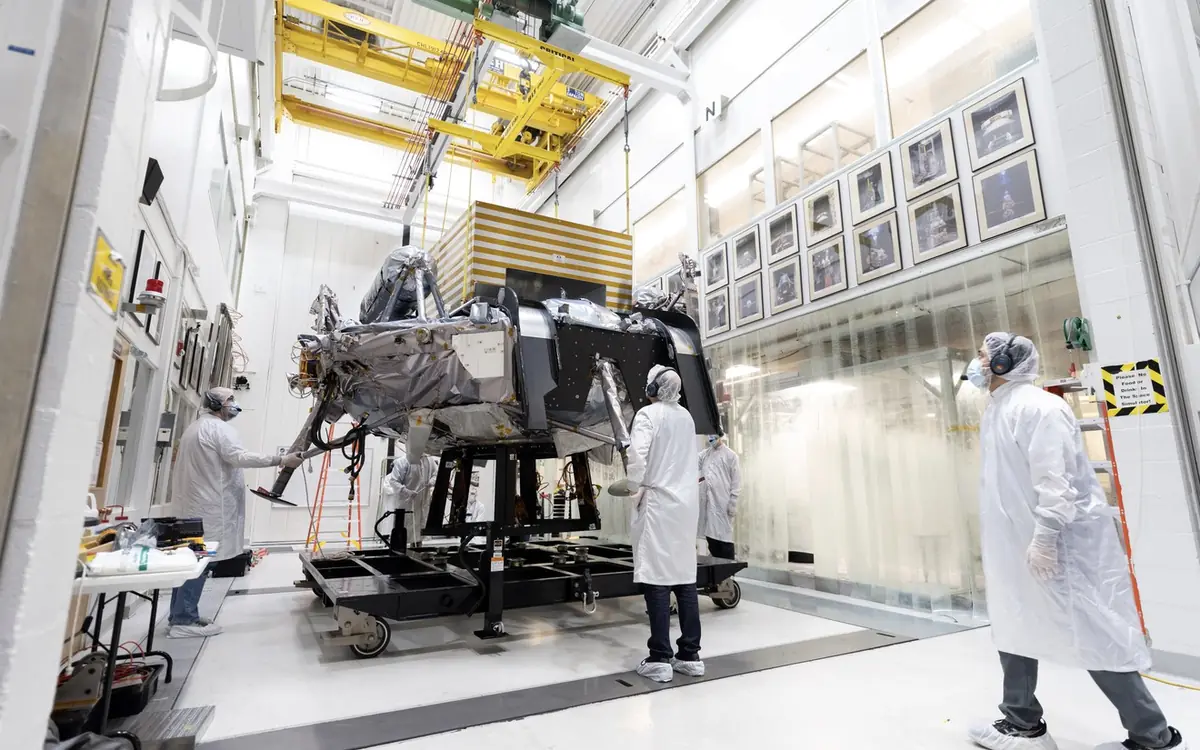
Griffin-1 Moon lander passes its JPL tests ahead of a Falcon Heavy launch
Voyager Technologies' lander was shaken, spun, baked and frozen at JPL. It will carry more than 455 kg of cargo, including Astrolab's FLIP rover, to Nobile Crater near the lunar south pole.

ESA astronaut Sophie Adenot is back in Europe after a record 237-day ISS mission
Adenot landed in Cologne on 10 October after Crew-12 splashdown; her εpsilon flight set a European single-mission duration record and included three spacewalks.
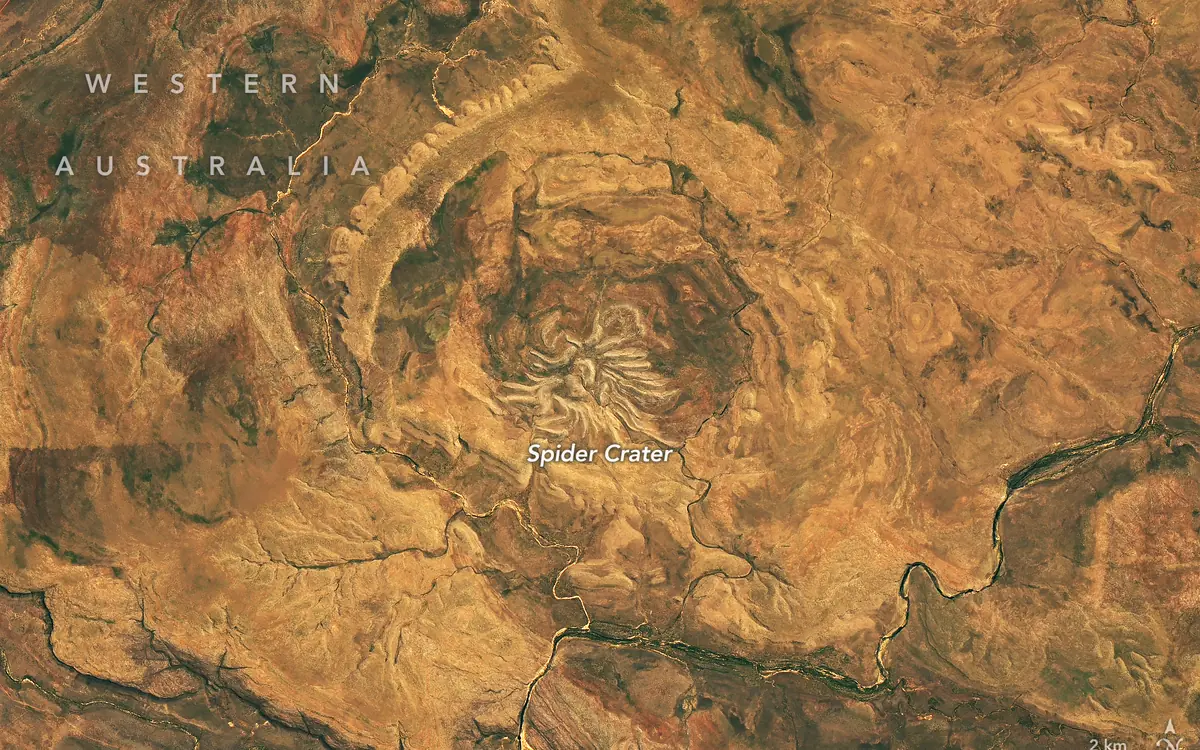
Landsat 9 photographs Australia's Spider Crater, an ancient impact with 'legs'
NASA's Earth Observatory shows Western Australia's Spider Crater, a 13 km impact structure whose spidery sandstone ridges are 600–900 million years old.