Amazon Q3 2026: AWS grows 39%, AI spending turns cash flow negative
Amazon's Q3 2026 sales rose 12% to $201.9B and AWS grew 39% to $46B, its fastest in nearly five years, but AI data centre spending pushed free cash flow to -$42.4B.
LandGadget Newsroom · · 3 min read
On this page
Amazon's cloud business is growing faster than it has in years, and the company is spending more than ever to keep it that way. In its third-quarter 2026 results, published on 29 October, Amazon reported net sales of $201.9 billion, up 12% from $180.2 billion a year earlier. Excluding currency effects, growth was 13%, and Amazon says the figure would have been about four percentage points higher if Prime Day had not moved into the second quarter in most large countries this year.
AWS is the headline
Amazon Web Services brought in $46.0 billion, up 39% year on year. Amazon calls it the fastest AWS growth in nearly five years and puts the annualised revenue run rate at $184 billion. AWS operating income rose to $17.8 billion from $11.4 billion. CEO Andy Jassy said the company projects AWS revenue growth of over 40% in both 2027 and 2028.
The retail side was steadier: North America sales grew 6% to $112.9 billion and International sales grew 5% to $43.1 billion (8% excluding currency).
Record profit, negative cash flow
Total operating income jumped to $28.1 billion from $17.4 billion, a 13.9% operating margin that Amazon describes as its highest ever. Net income slipped to $20.7 billion ($1.89 per share) from $21.2 billion, mainly because last year's quarter included $9.5 billion of pre-tax gains on Amazon's Anthropic investment.
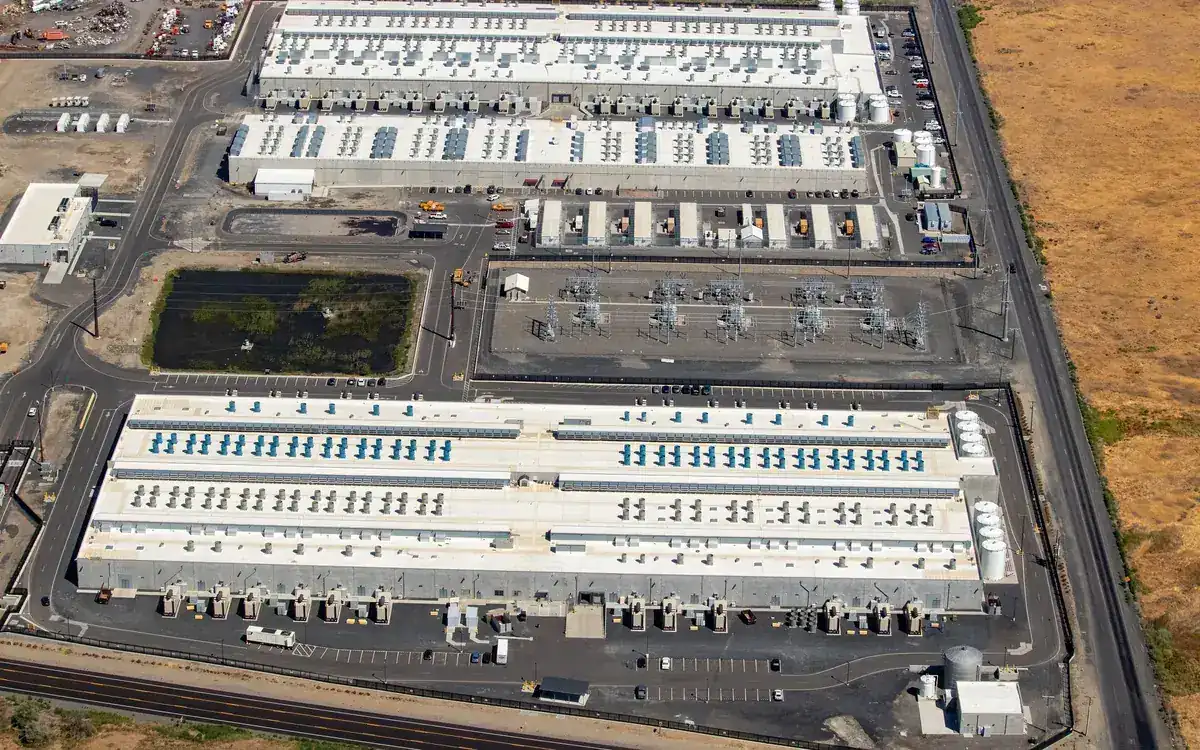
The flip side is spending. Over the last twelve months, free cash flow was an outflow of $42.4 billion, compared with a $14.8 billion inflow a year ago. Amazon says purchases of property and equipment rose by $94.8 billion, mostly for artificial intelligence infrastructure. It still expects about $220 billion in cash capital expenditure for 2026.
Outlook
For the fourth quarter, Amazon guides net sales of $240–247 billion (up 12–16%) and operating income of $28.5–33.5 billion. Among the risks it lists are energy prices, tariffs and supply of memory chips, a constraint Apple and other device makers have also flagged this year.
Why it matters for gadget buyers
AWS runs the back end of Alexa, Ring and countless apps, and the money pouring into AI data centres competes with consumer devices for the same chips. If you're deciding whether to rely on cloud AI or run models on your own hardware, our explainer on open-weight AI models and our guide to buying a laptop for local AI cover the trade-offs. For Amazon's latest hardware, see our report on the new Echo Dot, Echo Hub and Echo Show 16.
More from Computers & AI
View all →Read next

Best Monitor Size for Gaming: 24 vs 27 vs 32 Inch
What monitor size is best for gaming? Compare 24, 27, 32-inch and ultrawide screens by resolution, pixel density, desk distance, GPU power and the games you play.

Bluetooth Codecs Explained: SBC vs AAC vs aptX vs LDAC vs LC3
What Bluetooth audio codecs actually change: SBC, AAC, aptX, LDAC and LE Audio's LC3 compared — sound, latency, battery and which phones support which codec.

Electric motorcycle buying guide: range, charging, licence
How to choose an electric motorcycle: real-world range, battery size, home and fast charging, licence classes, running costs and what to check before you buy.