SpaceX CRS-35 Dragon docks at the ISS with final solar arrays and science
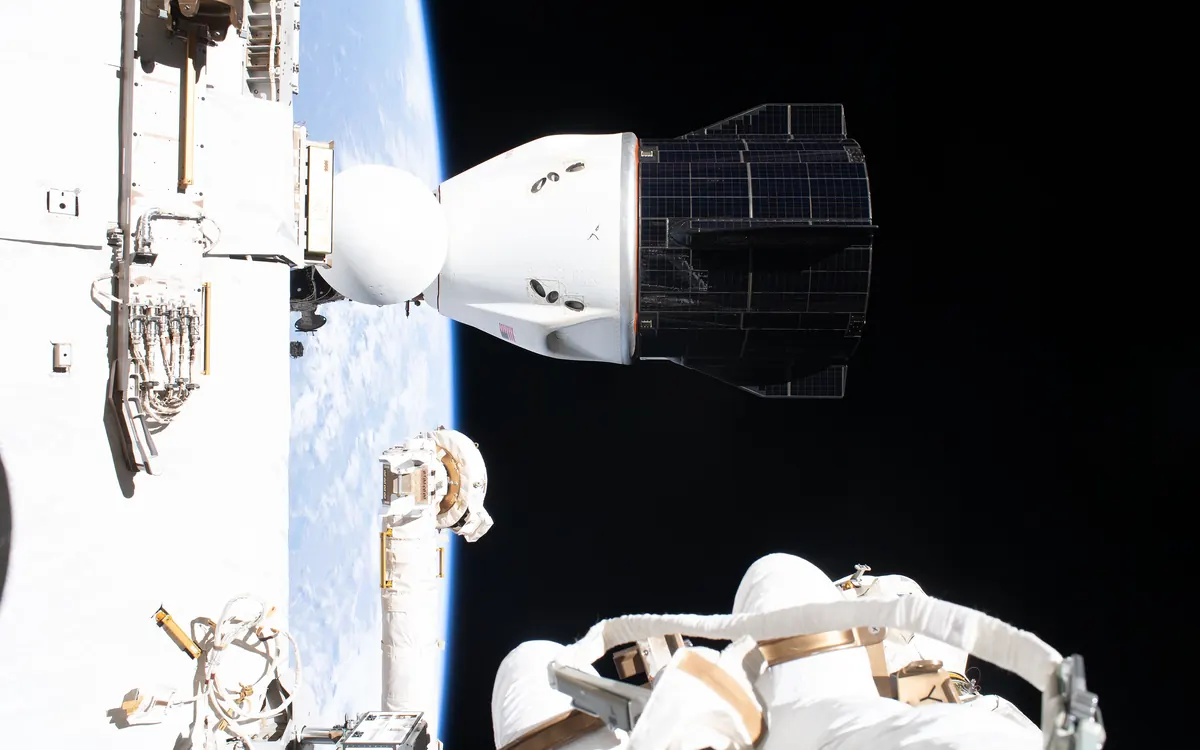
At 11 a.m. EDT on 15 October, SpaceX's CRS-35 cargo Dragon docked to Harmony, delivering more than 6,300 pounds of supplies, science and the station's last new roll-out solar arrays.
On this page
SpaceX's uncrewed CRS-35 cargo Dragon is on the International Space Station. According to NASA's station blog, the spacecraft docked at 11 a.m. EDT (15:00 GMT) on Thursday, 15 October, to the space-facing port of the Harmony module.
What arrived
NASA says Dragon brought more than 6,300 pounds of food, supplies and equipment for the Expedition 75 crew. The headline hardware is the final pair of ISS Roll-Out Solar Arrays (iROSAs) — flexible panels that roll open in orbit and finish the station's power upgrade. Earlier NASA coverage for this flight also listed science such as artificial-retina hardware, 3D heart-tissue models, microgravity glass studies and brain organoids aimed at neurodegenerative disease research.
The trip
CRS-35 lifted off on a Falcon 9 from Cape Canaveral on 13 October at 6:33 a.m. EDT. After about two days chasing the station, Dragon completed an autonomous docking. The capsule is expected to stay attached into mid-November, then return research samples and cargo to a splashdown off California.
Why it matters
Completing the iROSA set boosts the station's electrical capacity for research and for the long plan toward a controlled end-of-life deorbit. For the crew, the arrival is also fresh food and the spare parts that keep a 25-year-old laboratory flying.
Frequently asked questions
When did CRS-35 dock?
NASA reports docking at 11 a.m. EDT (15:00 GMT) on 15 October 2026, at Harmony's space-facing port.
What is special about the cargo?
Besides crew supplies, Dragon carried the last pair of roll-out solar arrays for the ISS power upgrade, plus several microgravity science payloads.
More from Science & Space
View all →Read next
GTA VI launch trailer is live — five weeks to November 19
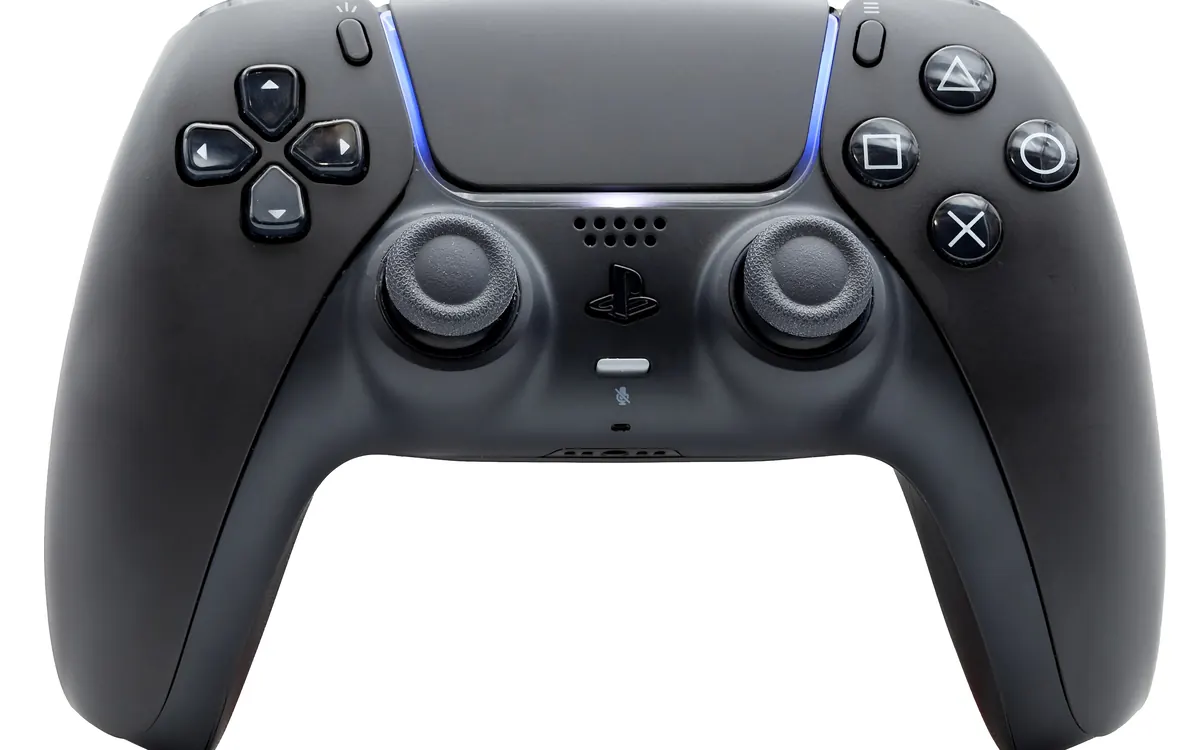
Rockstar dropped the Grand Theft Auto VI Launch Trailer on 15 October, with new PS5-captured footage and a debut score track, ahead of the 19 November release.
How much RAM do you need in 2026? 8, 16, 32 or 64 GB explained
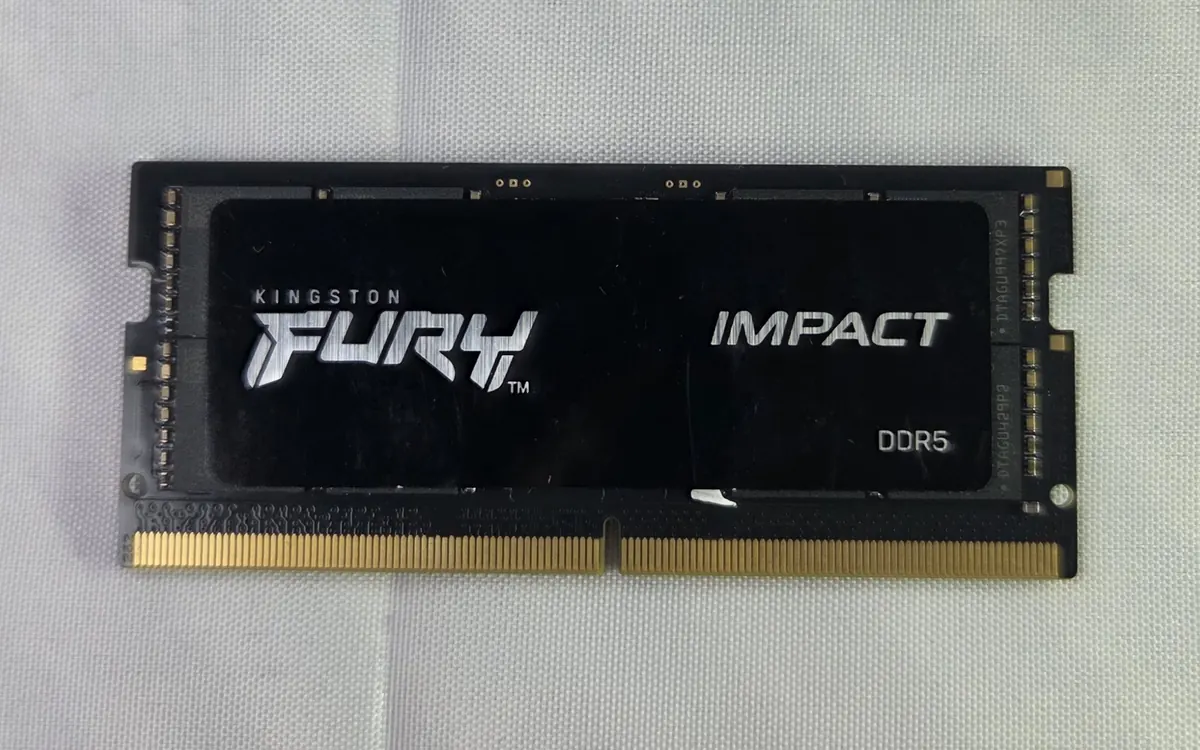
What RAM does, how to tell if you're running out, and how much memory to get for browsing, office work, gaming, video editing and local AI in 2026.
How to choose wireless earbuds in 2026
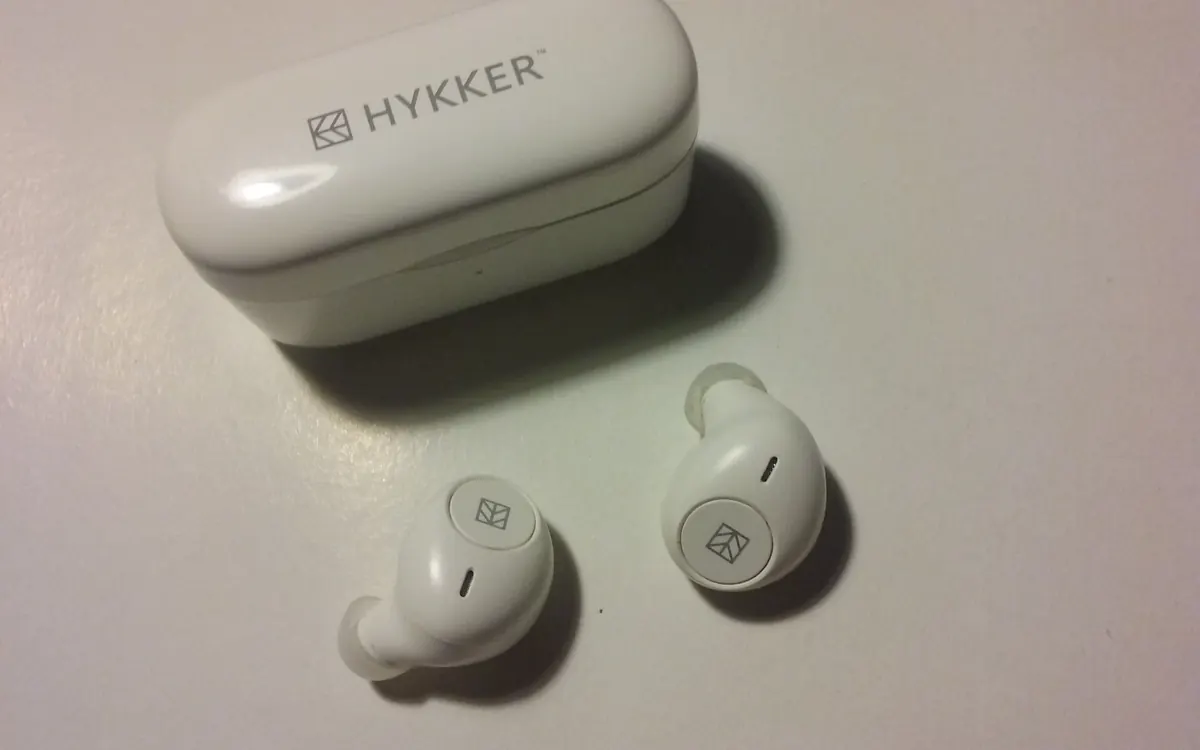
Fit, ANC, codecs, battery, multipoint and IP rating: a practical buying guide to true wireless earbuds without invented lab scores or brand rankings.