Mercedes-Benz expands NVIDIA partnership for next-gen automated driving
Mercedes will deepen work with NVIDIA Hyperion, Alpamayo Stack and Halos inside MB.OS for urban assistance, parking and future Level 4 robolimousines.
LandGadget Newsroom · · 2 min read
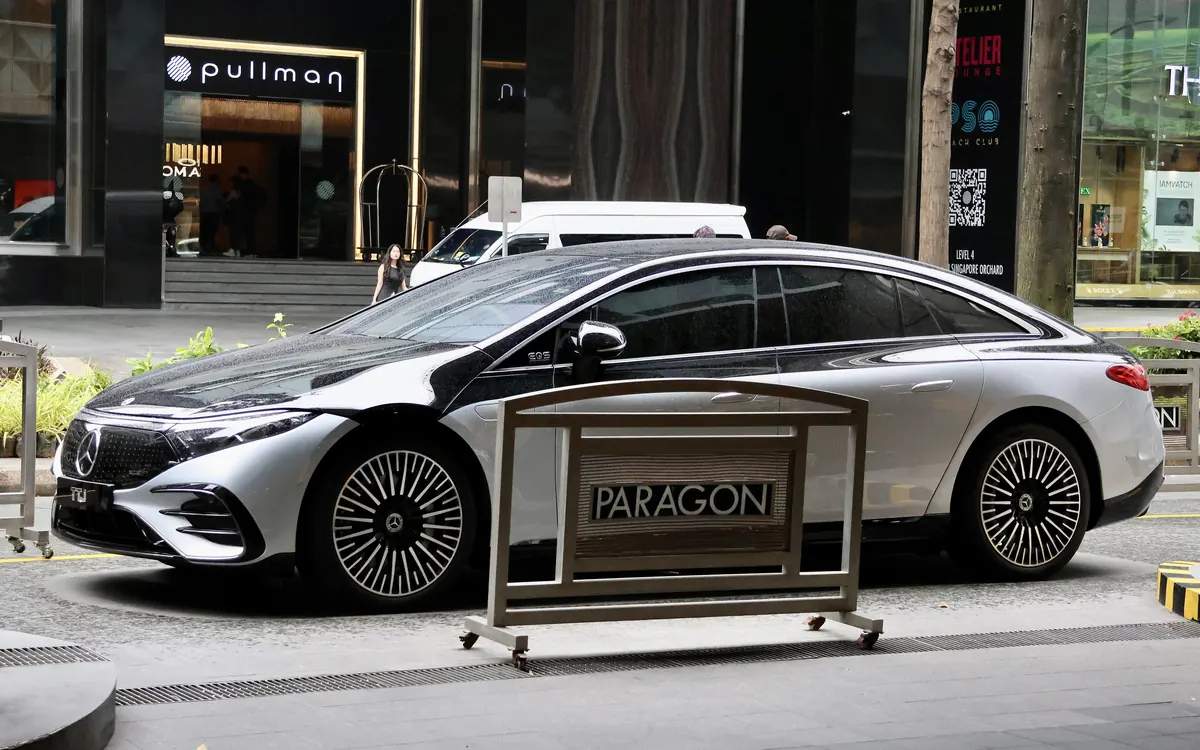
Mercedes-Benz and NVIDIA say they are expanding their strategic partnership to jointly develop the next generation of driver assistance and automated driving systems over the coming decade.
What’s in the stack
According to the joint announcement, Mercedes’ MB.OS will work with:
- NVIDIA Hyperion — in-vehicle computing and sensor architecture
- Alpamayo Stack — full-stack driving software with AI reasoning for urban point-to-point assistance, active safety and automated parking
- Halos — a parallel safety stack meant to add redundancy and guardrails
Mercedes CTO Jörg Burzer called NVIDIA the brand’s most important strategic partner in automated driving and recalled their earlier urban point-to-point assistance work for Western markets. NVIDIA’s automotive VP Ali Kani framed the goal as bringing Hyperion-based intelligence and full-stack safety “to the road.”
Level 4 ambitions — still future tense
The companies say the same technologies support advanced driver assistance today and the development of future SAE Level 4 applications, including robolimousines. They did not announce a consumer model, a calendar year for unsupervised L4, or a software subscription price.
Beyond the car, Mercedes already uses NVIDIA tools for engineering simulation and its MO360 digital production system; both sides say that collaboration will deepen too.
For drivers, this is a roadmap announcement: more Mercedes automation on NVIDIA silicon and software, with the hard product details still to come.
More from Cars & EVs
View all →Read next
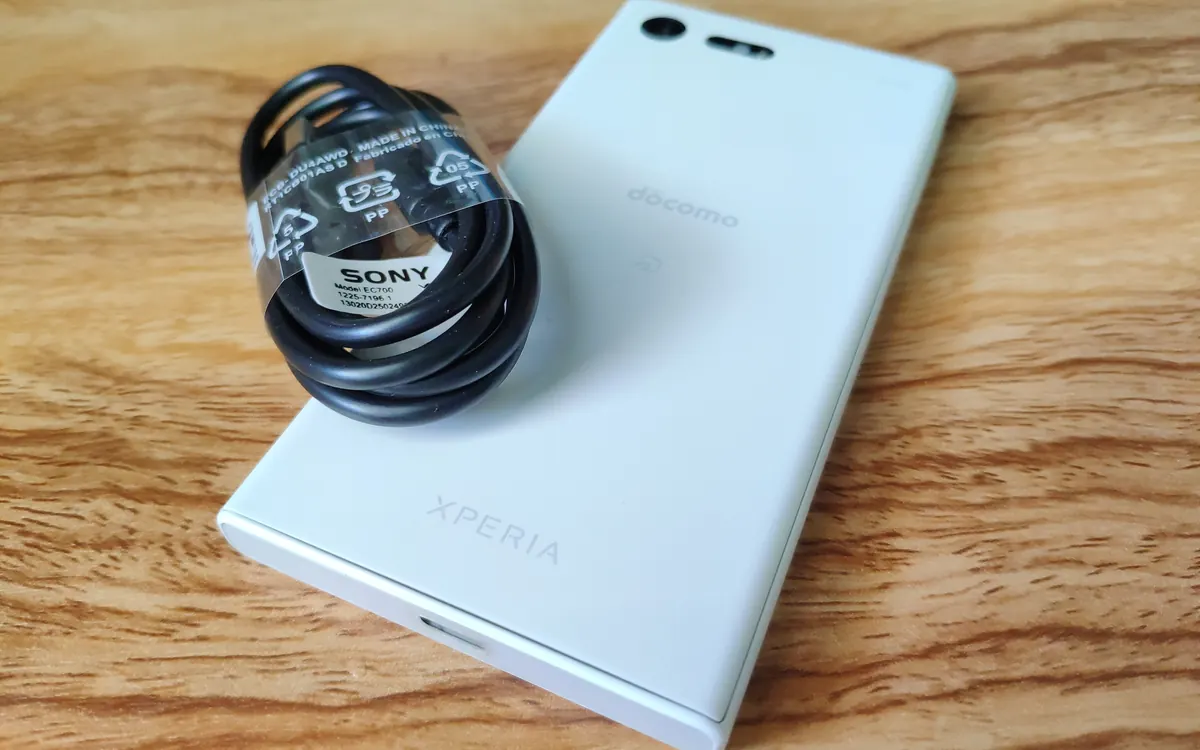
Sony cancels the promised Android 17 update for Xperia 10 VI
Sony says storage limits block an adequate Android 17 upgrade on the midrange Xperia 10 VI. Security patches should continue through June 2028.
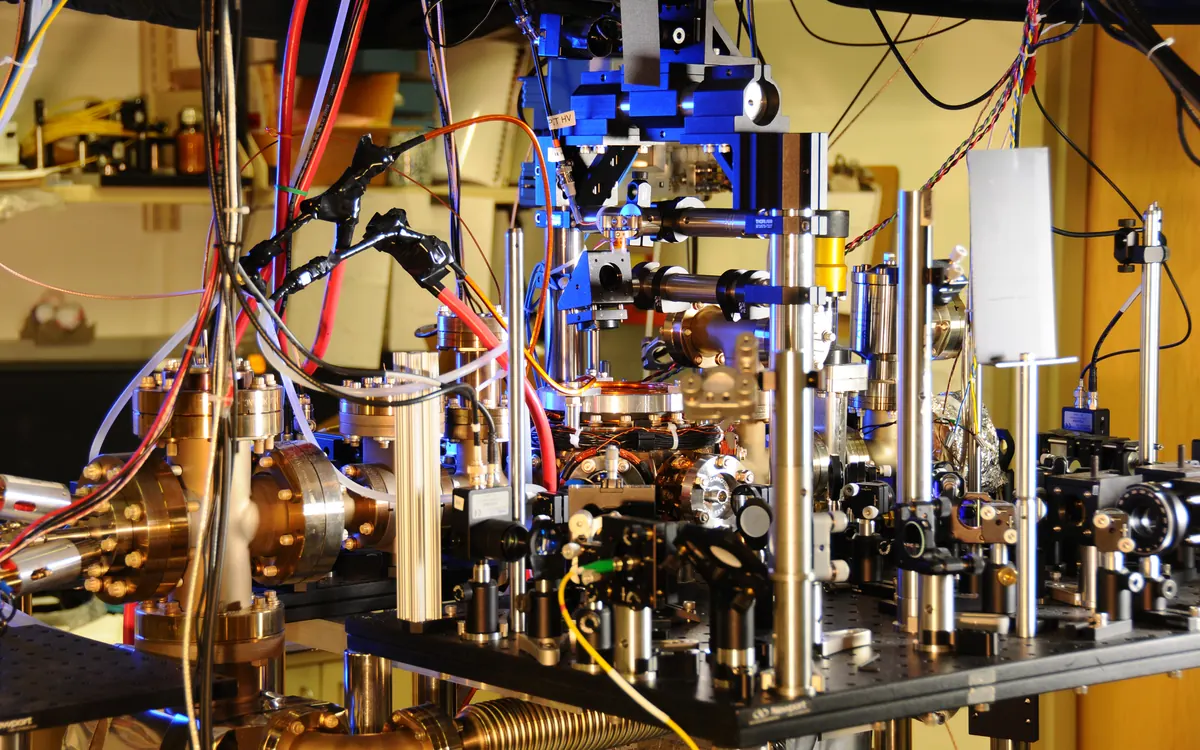
The leap second is being scrapped: what changes in 2027
Countries at the CGPM voted to make UTC continuous from 20 May 2027, ending leap seconds and letting clocks drift up to an hour from Earth’s rotation.
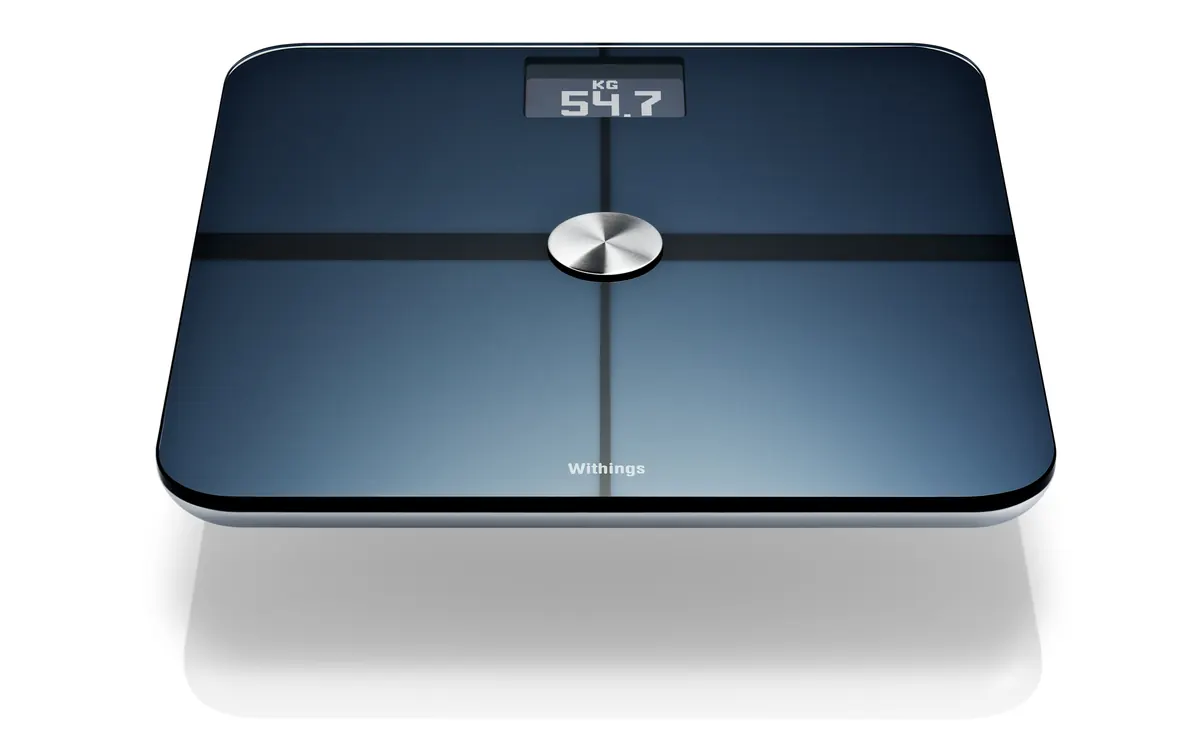
Withings now charges new users for Apple Health sync
New Withings accounts created from 13 October need Withings+ ($9.95/month or $99.50/year) to auto-sync to Apple Health and Health Connect; older ones stay free.